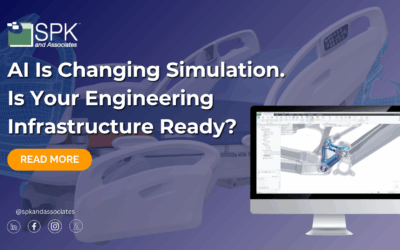

Key Takeaways: AI is changing simulation from a late-stage validation step into a continuous part of product development, helping teams explore more designs, automate setup, and support predictive digital twins. AI-driven simulation still depends on high-performance...
Engineering Operations
Applying AI Across the Digital Thread for Real Business Impact
Key Takeaways AI needs lifecycle context to deliver real value: Standalone AI tools often struggle because they cannot see how requirements, designs, code, tests, and quality data connect across the product lifecycle. The digital thread provides the missing context:...
The Real Challenge of Systems Engineering Isn’t Complexity. It’s Visibility
Key Takeaways Visibility, not complexity, is often the real problem: Disconnected requirements, hardware, software, testing, and quality data make it difficult for teams to understand product status and downstream impacts. Data silos create delays and compliance risk:...
Change or Disappear: Competing in the Age of Software-Defined Vehicles
Vehicles are only becoming more software-defined. As innovations break into the industry, automotive engineers and Tier 1 suppliers must keep up. Explore how they do so in this eBook.What You Will Learn Discover how: Software has become the differentiator in...
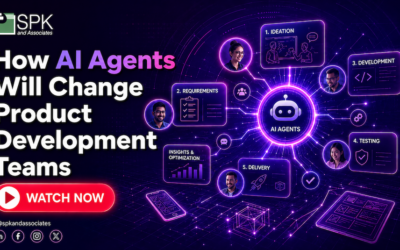
How AI Agents Will Change Product Development Teams
Introduction Michael Roberts: Hello, and welcome back to another SPK & Associates vlog. My name is Michael Roberts. I'm the Vice President of Sales and Marketing here at SPK & Associates, and today we have a special guest. I'm joined by SPK's CEO and...
From Intern to Engineer in Hours: How Cloud CAD Transforms Engineering Onboarding
Key Takeaways Slow engineering onboarding delays productivity: Waiting for workstations, CAD software, VPN access, and engineering data can keep new hires and contractors from contributing for days or weeks. Cloud CAD removes hardware and setup bottlenecks:...
Why Most AI Initiatives Fail in Engineering and How to Scale Them
Key Takeaways AI failures are often foundation problems, not technology problems: Engineering AI initiatives frequently stall because organizations lack clear business objectives, trusted data, connected systems, and scalable processes. AI needs connected,...
Why Late-Stage Changes Are Killing Your Time to Market
Key Takeaways Late-stage changes get expensive fast: The farther a problem travels through design, testing, and manufacturing, the more time, cost, and rework it creates. Disconnected systems and weak traceability are major causes: When requirements, design, software,...
5 Ways to Reduce Engineering Cycle Time Without Adding Headcount
Key takeaways Faster engineering does not always require more headcount: Disconnected systems, manual handoffs, rework, and poor visibility often create more delays than a lack of engineering capacity. A digital thread can eliminate major sources of wasted time:...
The Engineering Digital Thread Playbook
In many organizations, systems operate independently, creating a large visibility problem. A digital thread addresses this by creating a connected flow of product information across the lifecycle. This playbook explains why engineering visibility matters, and how...
The Rise of AI-Native Engineering Organizations
Artificial intelligence is changing more than just a few engineering tasks. It is completely reshaping how engineering organizations manage requirements, testing, compliance, support, and development. For years, digital transformation has focused on adopting...
SPK and Associates Recognized as a Leading MSP of 2026
SPK and Associates is proud to announce that Channel Partners has recognized us as a top managed service provider of 2026. The MSP 501 is the technology industry’s prestigious ranking of the world’s top managed service providers. This marks SPK’s eighth consecutive...