


Meeting deadlines and staying within a budget are important to business success, but continuous achievement requires more than these two factors. Modern organizations understand that a strategic project manager (PM) is vital to project success. A PM’s role extends far beyond efficient project execution. Without a dedicated PM, businesses risk unmet goals, overspending, and delivering subpar results for customers. Let’s explore the vital role project managers play in accelerating market readiness by managing risks and balancing a budget, timeline, and quality of work.
Common Business Challenges Without a Project Manager
To understand the challenges businesses face when they don’t have a skilled PM to oversee their projects, picture this scenario. Imagine you are building a house without a PM. You could end up with a house that’s over budget, completed far later than anticipated, and lacking critical elements like a roof. On the contrary, you could use a project manager to ensure none of this happens, resulting in a happy home. Here are some key challenges businesses without project managers face:
- Disjointed Scope Management: Without a PM, teams often struggle to keep the project scope in check. This leads to scope creep, inefficiencies, and confusion.
- Timeline Overruns: When unexpected obstacles arise, projects can veer off course, causing significant delays if there’s no one to steer them back on track.
- Budget Overages: Changing technical paths or poorly estimated costs can quickly lead to budget overruns, frustrating customers and stakeholders.
- Quality Issues: Without oversight, the quality of work may not align with client expectations, leading to rework and wasted resources.
- Unmanaged Risks: Risks that aren’t identified and mitigated early can derail an entire project, impacting the budget, timeline, and quality.

Balancing the Three Pillars
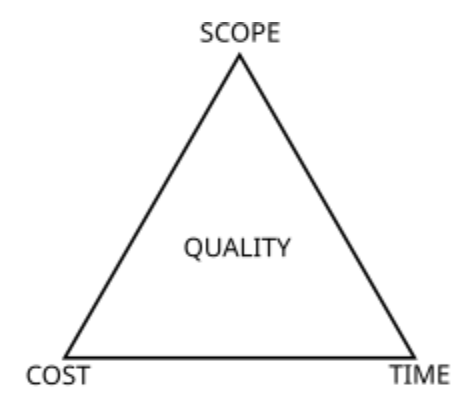
The three project pillars of budget, timeline, and scope are the main focus for project managers.
- Budget: Once a budget is set, PMs meticulously track expenditures, ensuring costs align with the original plan. They monitor how the budget is impacted by inevitable pivots and communicate these changes to stakeholders. This helps avoid any unpleasant surprises for customers.
- Timeline: PMs anticipate potential delays, re-align priorities, and ensure that the project progresses smoothly, even when obstacles emerge. This helps keep everything on track for their intended goal.
- Scope: Project Managers define and maintain clear boundaries for project deliverables, ensuring all involved understand what the project will—and will not—include. They manage scope creep by evaluating and deciding upon any requests for additional features or changes, balancing the need for adjustments with the project’s objectives and constraints. This vigilance helps ensure that the project remains focused on its goals, delivering expected outcomes within the constraints of time and budget.
Improved Communication and Scope Management
PMs foster clear communication between all parties involved, ensuring that everyone is on the same page. Their ability to translate technical requirements into actionable steps is invaluable. Additionally, PMs rigorously define and manage the project scope, preventing scope creep (the uncontrollable expansion of the project scope due to improper assessment.) Otherwise, each new feature, requirement, or task could negatively impact the original goal. Project managers accommodate for necessary changes, but eliminate unnecessary additions.

Risk Management
Risk management is another critical function of project managers. Identifying potential risks early and planning how the team will mitigate them avoids costly disruptions. For example, a PM may facilitate discussions to identify risks upfront and create action plans to proactively address them. This preparation ensures that when risks do materialize, the team is equipped to handle them. Without a PM, risks could cost your business unnecessary time, money, and lower your quality of work. In SPK’s experience, talking about risks together as a team helps us not only keep an eye out for when a risk occurs, but familiarizes our team with the risk so we can quickly and easily mitigate it.

Responsibility
The last main part of a PM’s job is lifting these responsibilities off of someone else’s shoulders. The PM also observes the team and suggests improvements that would aid in efficiency and structure. This allows other employees such as engineers or an account managers to focus on producing high quality work rather than checking the budget or finding a more efficient way to work.
Project Managers Accelerate Market Readiness
The guidance provided by a project manager is essential for achieving successful outcomes. This is why almost every client project at SPK involves our project management team to ensure alignment and success. By expertly managing risks, budget, and timeline, our PMs enable teams to deliver high-quality work within constraints. We highly recommend investing in skilled project management in your own projects as it’s not just a smart decision, but a critical one for businesses aiming to accelerate market readiness. The path to success becomes clearer, more efficient, and ultimately more rewarding when you have a project manager. If you have questions about how a project manager has benefited us or how it can benefit you, contact us today!