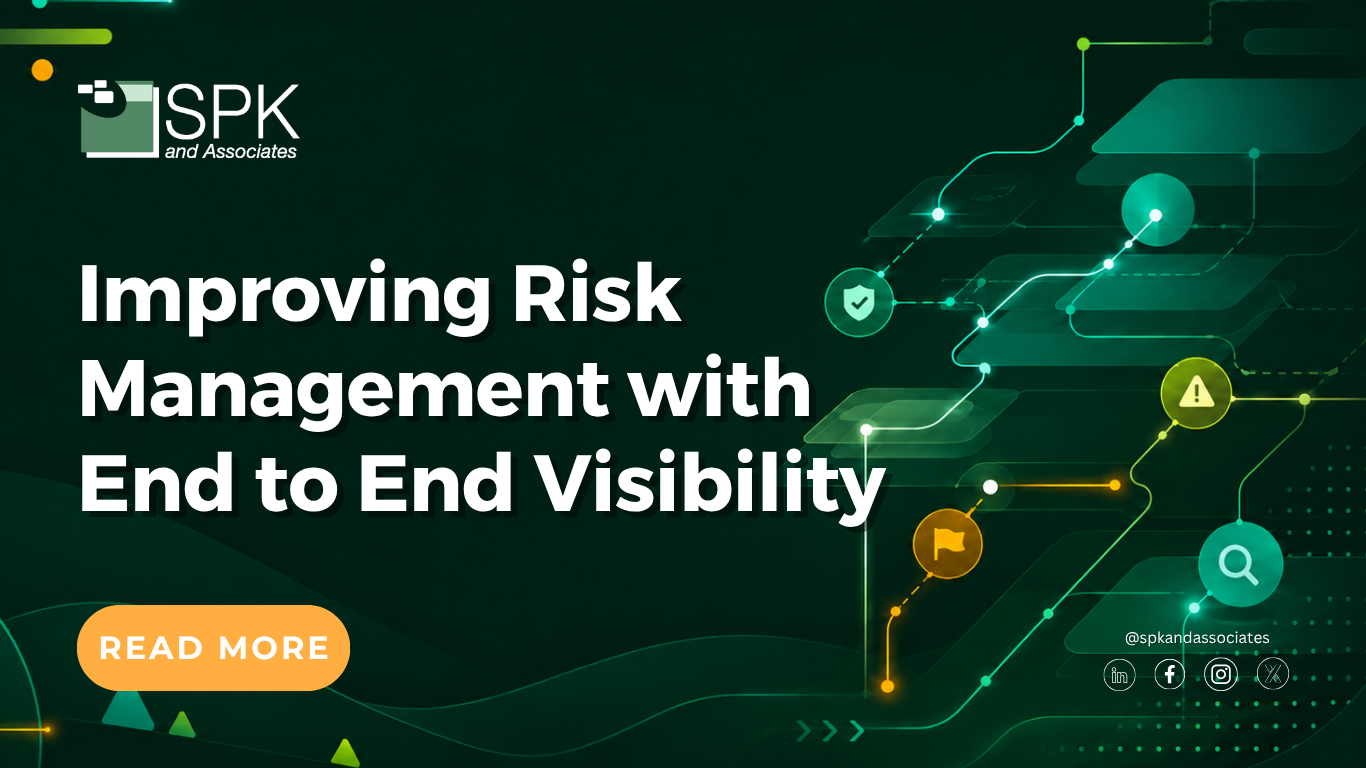

Modern products are becoming increasingly more complex, combining mechanical engineering, embedded software, electronics, cloud connectivity, and regulatory requirements into a single development lifecycle. As that complexity grows, so does the importance of effective risk management. For industries such as medical devices, automotive, aerospace, and industrial manufacturing, unmanaged risk can quickly lead to many issues. These include poor quality, compliance failures, safety incidents, delayed launches, and increased development costs.
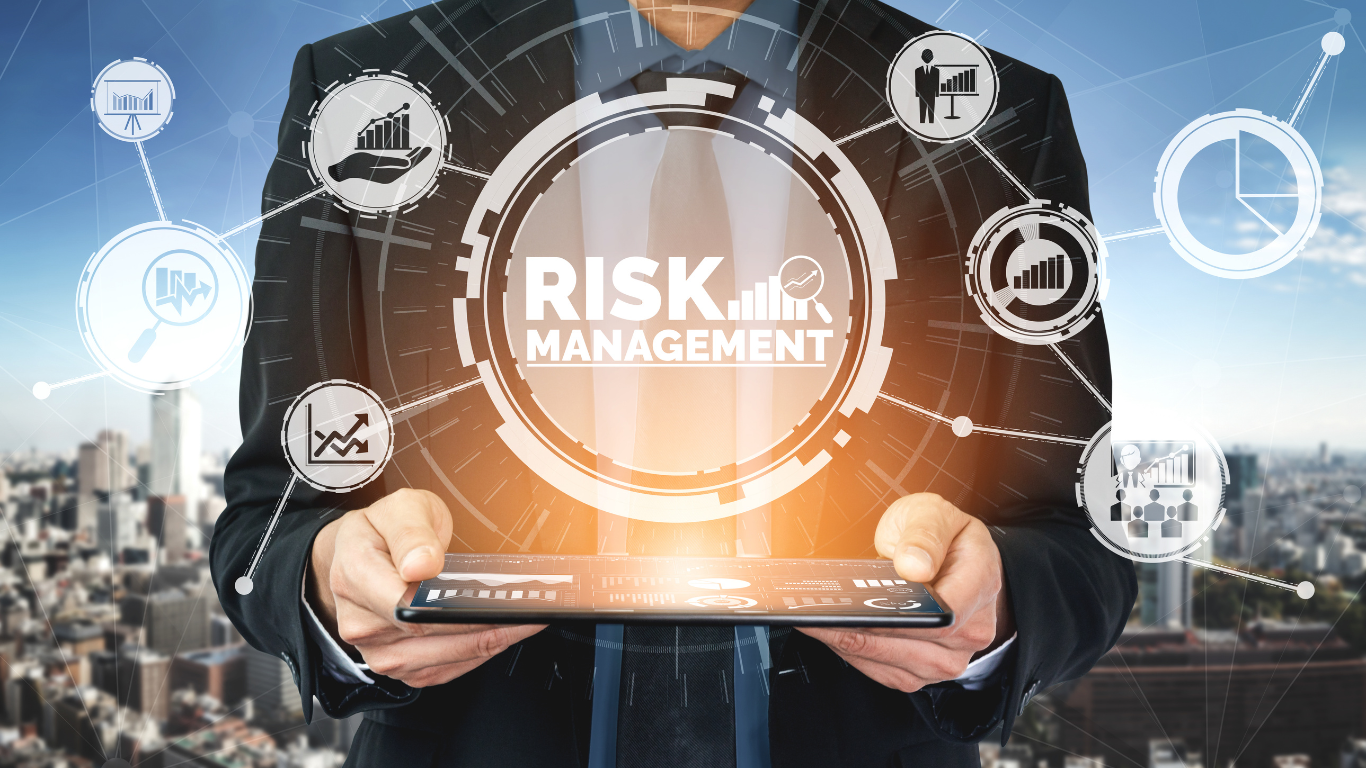
While many organizations have something in place to manage risk, oftentimes this system includes disconnected spreadsheets or isolated documents. When risk management is separated from requirements, testing, engineering changes, and release processes, teams lose visibility into how risks evolve throughout development. Integrated risk management changes that approach entirely. By connecting risks directly to development artifacts and lifecycle workflows, organizations gain end-to-end visibility into product risk. Tools like Codebeamer help teams transform risk management from a reactive compliance exercise into a proactive business advantage.
Integrating Risk Management into The Digital Thread
Risk management is most effective when it is connected directly to the work happening across the product lifecycle. In many organizations, risks are identified early in development but tracked separately from the actual engineering process. Over time, requirements evolve, designs change, test results shift, and software updates are introduced. However, the associated risks may never be reassessed properly. This creates gaps in visibility and increases the likelihood that critical issues are missed.
Integrated risk management solves this problem by linking risks directly to:
- Requirements
- Test cases
- Defects
- Engineering changes
- Verification activities
- Release decisions

Instead of managing risks in isolation, teams can continuously understand how development activity impacts product risk. For example, if a requirement changes, integrated traceability allows teams to immediately identify which risks, test cases, or mitigation strategies may be affected. This allows organizations to reassess exposure before problems escalate into costly downstream failures.
This level of visibility is especially important in regulated industries where standards such as the following require clear traceability between hazards, mitigations, verification activities, and product requirements:
Integrated risk management also improves collaboration. Mechanical, electrical, software, quality, and regulatory teams can work from a centralized system rather than rely on fragmented communication across disconnected tools.
How Codebeamer Enables End-to-End Risk Visibility
PTC’s Codebeamer helps organizations bring risk management directly into the Application Lifecycle Management process as part of a connected digital thread. Rather than treating risk management as a standalone process, Codebeamer integrates risk data into everyday engineering workflows.
Connected Lifecycle Traceability
Integrated ALM provides full traceability across the development lifecycle. Codebeamer links risks directly to requirements, tests, defects, validation activities, and engineering changes. This allows teams to quickly understand how changes impact risk exposure, mitigation strategies, and compliance efforts, helping organizations make faster and more informed decisions.
Unified Risk Visibility
Managing risk across disconnected spreadsheets and tools creates gaps in visibility and accountability. Codebeamer centralizes risk data into a single environment where teams can standardize risk information, reuse data across projects, track ownership, and maintain historical visibility. This improves collaboration while reducing duplication and governance challenges.
Audit and Compliance Control
For regulated industries, compliance depends on strong traceability, approvals, and documentation control. Codebeamer automates workflows for reviews, approvals, sign-offs, change management, and risk reassessments. Real-time dashboards provide visibility into mitigation effectiveness, test coverage, compliance status, and release readiness. This reduces manual audit preparation and improves overall compliance readiness.
Data-Driven Risk Prioritization
Codebeamer supports structured risk analysis methods such as FMEA, enabling teams to evaluate risks based on severity, occurrence, detectability, and residual exposure. This helps organizations prioritize mitigation efforts based on measurable product and business impact while integrating CAPA processes directly into development workflows.
Risk Management as Part of the Digital Thread
Risk management becomes significantly more powerful when integrated into a broader digital thread strategy. A true digital thread connects ALM, PLM, CAD, DevOps, testing, manufacturing, and quality systems into a unified lifecycle ecosystem. Instead of isolated tools and disconnected data, organizations gain continuous visibility across the full product lifecycle.
Codebeamer plays a critical role in this strategy by connecting software, systems engineering, verification, and risk management processes.
Organizations can eliminate silos and create frictionless information flow across departments when Codebeamer is integrated with platforms like:
This integration enables:
- Faster cross-functional collaboration
- Reduced inconsistencies
- Improved decision-making
- Better change impact analysis
- Greater release confidence
Most importantly, it allows risks to remain visible and actionable throughout the entire lifecycle rather than becoming disconnected compliance artifacts.
SPK and Risk Management Transformation
Successfully implementing integrated risk management requires more than deploying a tool. Organizations also need the right processes, integrations, governance strategy, and lifecycle architecture. SPK and Associates helps organizations build scalable risk management strategies using Codebeamer and connected digital thread solutions.
Our teams help customers:
- Design integrated ALM environments
- Connect ALM and PLM systems
- Configure traceability workflows
- Implement FMEA and CAPA processes
- Improve audit readiness
- Integrate DevOps and testing systems
- Modernize compliance workflows
- Optimize release governance
SPK works extensively with regulated industries such as medical devices, automotive, aerospace, and industrial manufacturing, so we understand the operational and compliance challenges organizations face when scaling lifecycle management. We also help organizations extend risk visibility across the broader engineering ecosystem by integrating tools and workflows that often remain disconnected. The result is a more proactive approach to risk management where teams can identify issues earlier, respond faster, and make more confident product decisions.

Improving Risk Management with Visibility from Codebeamer
Risk management can no longer exist as a disconnected process managed in spreadsheets and static documentation. Modern products are too complex, development cycles move too quickly, and regulatory expectations continue to increase. Organizations need integrated, end-to-end visibility into product risk across the entire lifecycle. Codebeamer allows risk management to become part of the digital thread. This level of visibility helps organizations strengthen compliance, accelerate development, and reduce costly downstream issues. When working with SPK, organizations can transform risk management from a reactive obligation into a strategic advantage that supports safer, higher-quality product delivery. If you are ready to implement Codebeamer for your organization, reach out to our experts.