

Whether it is a copilot within a productivity tool or an agent embedded in an engineering platform, AI seems to be everywhere. This has led many organizations to rush AI adoption for their own business. However, many leaders are discovering that despite major investments, their AI tools still produce fragmented, shallow, and sometimes misleading answers. The problem is not the AI, but the data it is relying on. At SPK and Associates, we see this pattern repeatedly in client engagements. Organizations expect AI to deliver deep insight, but their systems remain disconnected. Without unified context, AI can only guess. Until your data ecosystem is connected, your AI is operating with blind spots.
The Disconnected Data Problem: Why AI Lacks Context
Most enterprises run on a complex mix of systems:
- CRM for customer data
- ERP for operations and finance
- PLM for product records
- ALM for software development
- Document repositories for knowledge
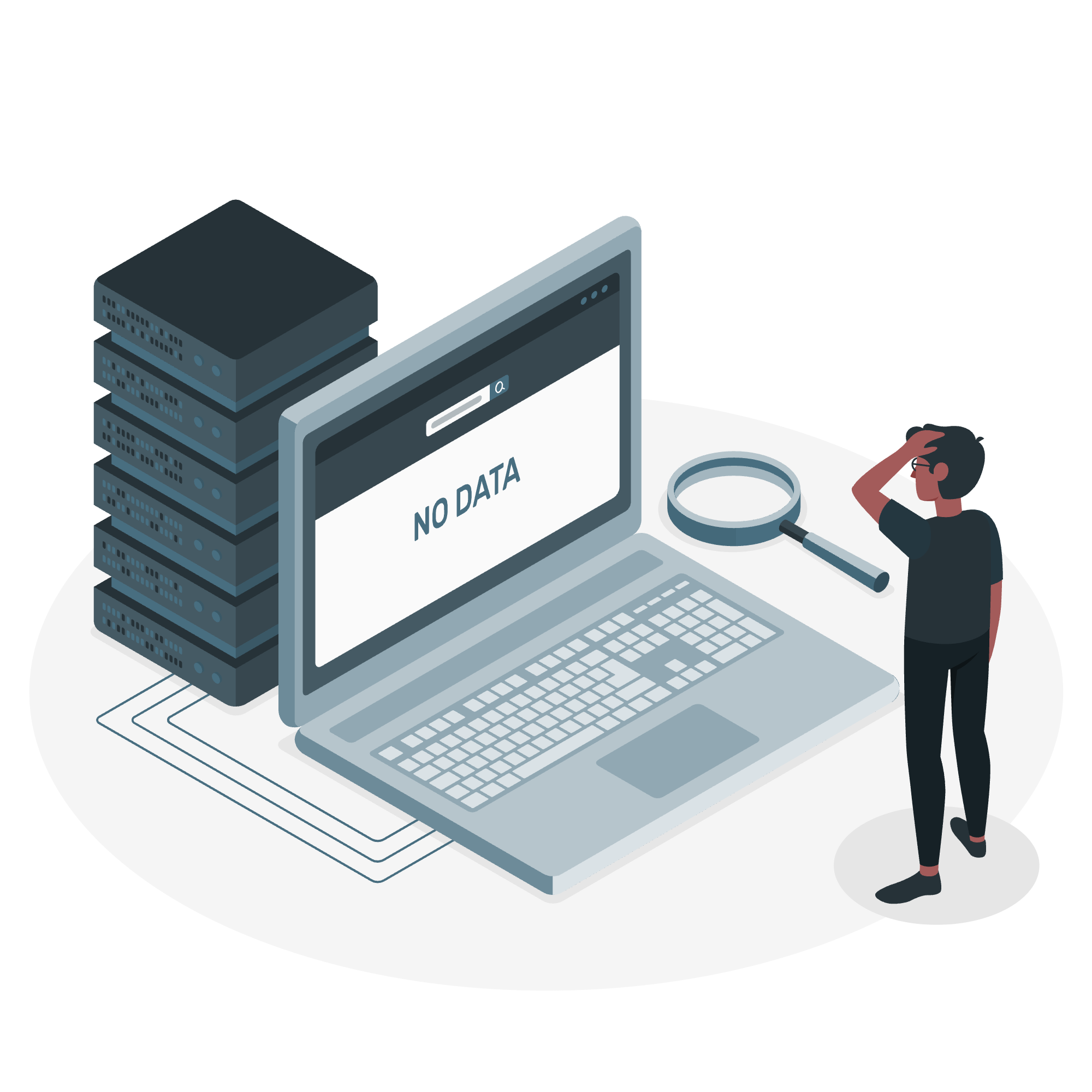
Each system holds valuable information. Very few share it effectively. This creates what we call the AI context gap. Your copilots and agents cannot “see” the full picture, so their outputs are limited.
Common reasons for this gap include:
- Siloed Systems: Data lives in separate platforms with little or no synchronization.
- Limited Context Windows: Even advanced models can only reason over what they can access. Missing systems mean missing insight.
- Generic Training Data: AI may be powerful in general, but it lacks deep knowledge of your specific environment.
- Vague or Incomplete Prompts: When underlying data is fragmented, even good prompts cannot compensate.
This results in your AI delivering partial answers, surface-level summaries, and disconnected recommendations. It looks intelligent, but it lacks understanding.
Why AI Agents Need More Context.
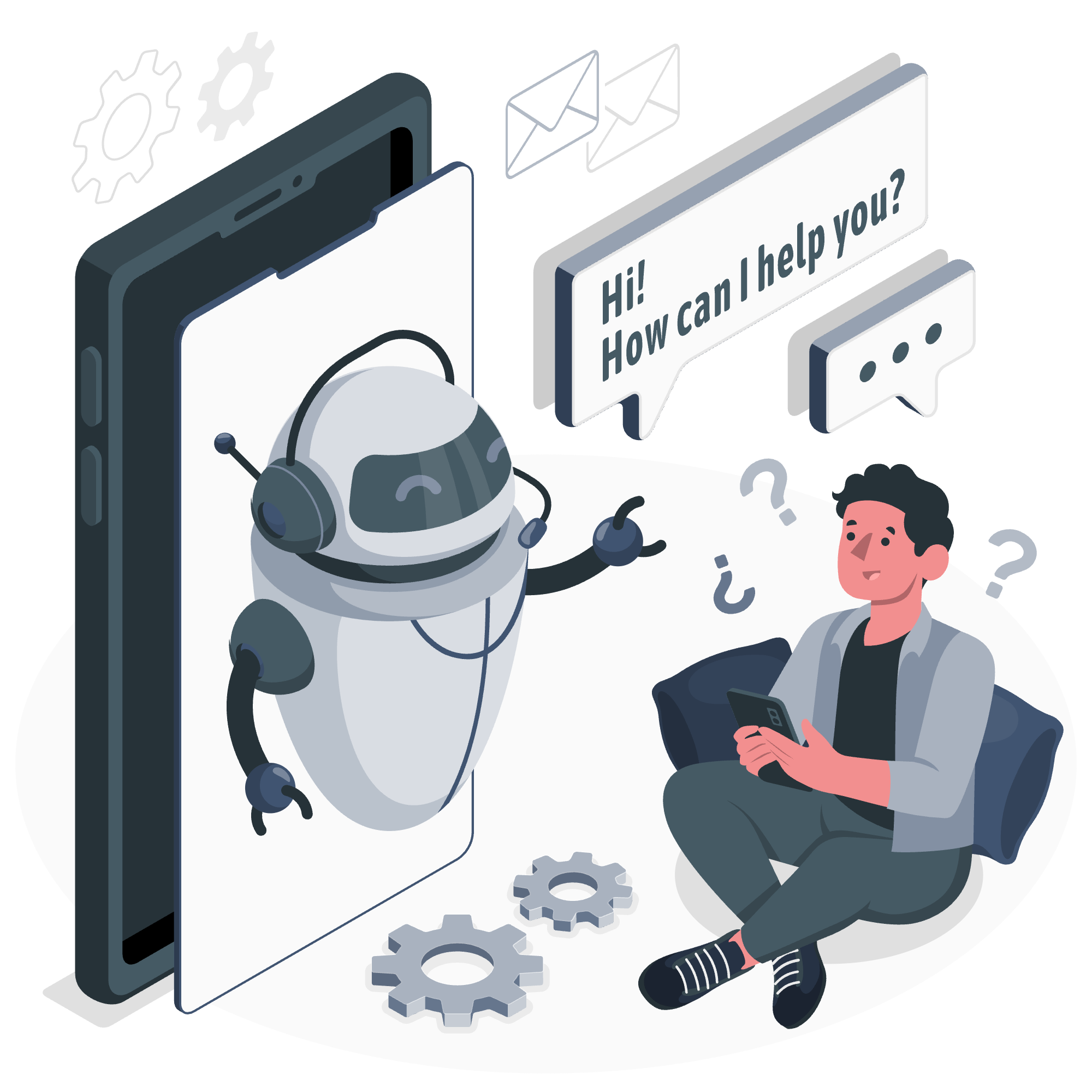
During our recent Microsoft Copilot webinar, one theme stood out clearly: AI performance improves dramatically when systems are connected. Tools like Microsoft Copilot and Atlassian Rovo are designed to reason across multiple data sources. But they can only do that when those sources are integrated. When CRM, PLM, ALM, and collaboration tools are unified, Copilot can connect emails to projects, and Rovo can link tickets to documentation. AI agents can trace requirements to releases, resulting in insights that reflect real operational reality. In other words, AI begins to see relationships, not just records. Without those relationships, AI becomes little more than advanced autocomplete.
Is Your Data Ready for AI?
Use this list to assess whether your organization is truly prepared for AI-driven insight.
- Integrate disconnected systems. AI is only as good as the data it can see and trust. If your tools cannot talk to each other, your AI cannot understand your business.
- Ensure governance. Compliance and control do not slow down AI; they make it trustworthy and reliable.
- Provide context. AI without context is just autocomplete.
- Unify your data. You cannot improve what you do not measure and this requires meaningful KPIs.
- Support proper workflows. Technology adoption fails without people and process alignment
If several of these feel unresolved, your AI maturity is likely constrained by your data architecture.
How OpsHub Resolves the AI Context Gap
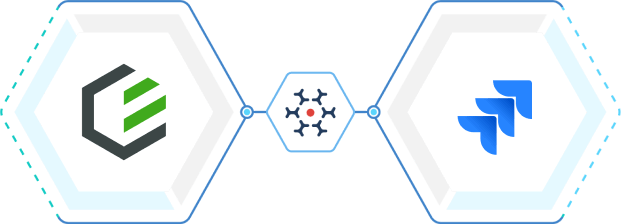
When organizations skip integration, AI reflects that fragmentation. Each department gets a different “version of truth.” Instead of delivering vision, it amplifies confusion. This is where OpsHub plays a critical role. OpsHub is not just a migration tool. It is an integration and synchronization platform that connects enterprise systems into a living data ecosystem.

What OpsHub Enables
Connected Systems of Record
OpsHub links CRM, ERP, PLM, ALM, DevOps, and support platforms so data flows across the enterprise. This gives AI access to the complete lifecycle for context.
Bidirectional Synchronization
Changes in one system are reflected in others automatically. No more stale data.
Custom Mapping and Governance
Organizations can define how fields, workflows, and objects align across tools, preserving structure and meaning.
Phased and Validated Migrations
Historical data is migrated and verified before full cutover, ensuring AI has reliable foundations.
Compliance-Ready Reporting
Traceability and audit trails remain intact, making AI outputs trustworthy. When systems are connected through OpsHub, AI tools no longer operate in isolation. They reason across engineering, quality, operations, and customer data as a unified whole.
These capabilities help copilots move from “helpful” to “strategic.”
OpsHub for AI-Ready Integration
After working with hundreds of enterprises, we consistently see OpsHub succeed where point-to-point integrations fail.
Key advantages include:
- Support for Jira, Azure DevOps, Codebeamer, PLM, CRM, and more
- End-to-end migration and synchronization
- Configurable field and workflow mappings
- Phased rollout with validation
- Detailed reporting and compliance support
Most importantly, OpsHub creates durable data foundations that scale with AI adoption. It ensures that future copilots, agents, and analytics platforms inherit clean, connected, governed data.
Connected Data Is the Foundation of AI Vision
Organizations do not fail with AI because models are weak. They fail because data is fragmented. With platforms like OpsHub and a structured approach like SPK’s AI Launchpad, organizations can close the AI context gap. If you are ready to turn disconnected systems into a unified intelligence layer, contact our team today.