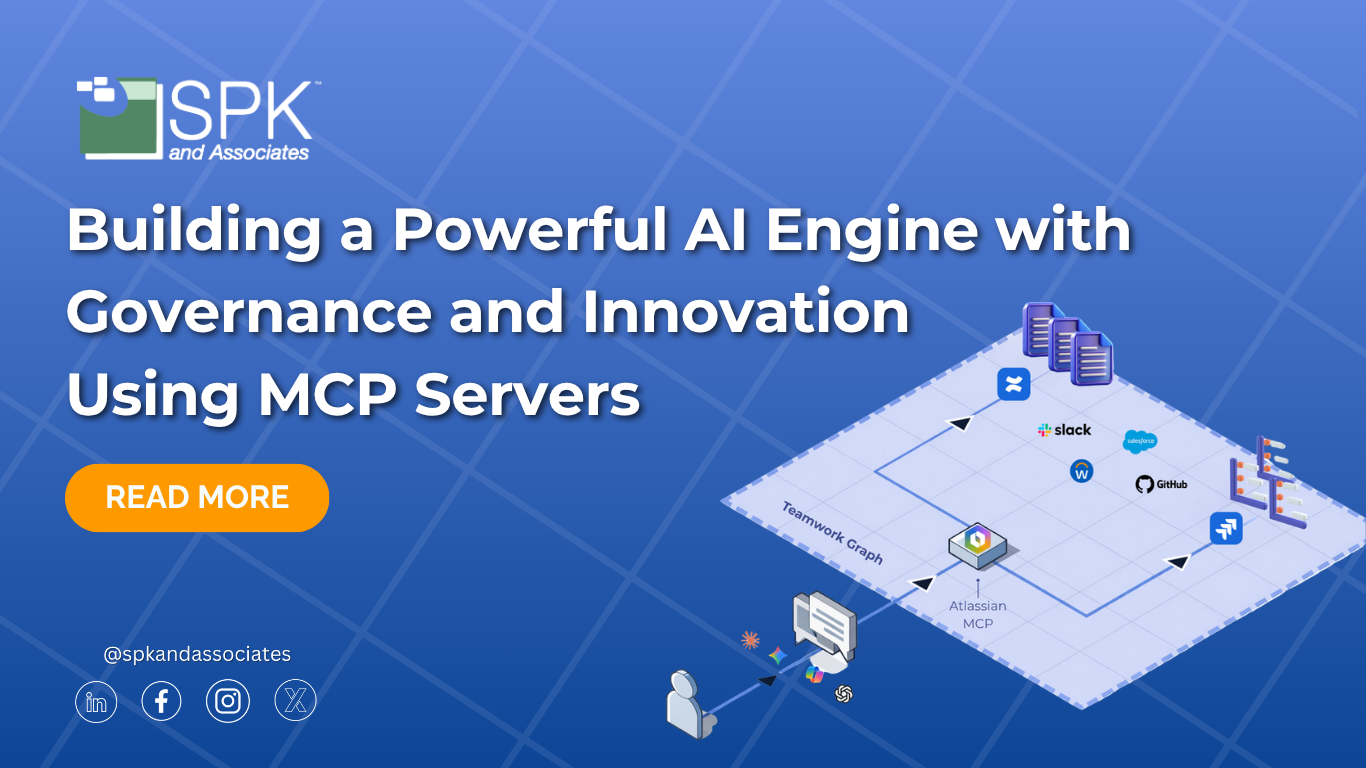

It’s 2026, and AI is extremely accessible, but knowing how to apply it within your specific business context can be a challenge. To start, LLMs lack the deep, proprietary context of, for example, product requirements or complex assembly structures. Without this context, AI remains a novelty rather than a pragmatic tool for accelerating product development. To bridge this gap, a new open-source standard has emerged: the Model Context Protocol (MCP). This protocol is fundamentally changing how engineering organizations build their proprietary AI engines. MCP allows companies to move away from siloed data and toward a context-aware engineering environment by providing a standardized way to connect AI applications to external systems.
What Is an MCP Server?
MCP is an open-source standard that allows AI applications such as Claude, ChatGPT, or IDE-based assistants like Cursor to connect to data sources, tools, and workflows without requiring custom integrations for every individual platform. It allows organizations to establish a more consistent and scalable integration approach instead of building and maintaining separate connectors for every tool in the DevSecOps pipeline. Using MCP, an AI application can securely access local files, databases, and specialized prompts. This reduces development time and complexity for engineering teams. Additionally, it creates a more capable AI assistant that can access relevant data and take actions on behalf of users. Whether it is an agent accessing a knowledge base or a chatbot analyzing multi-generational product data across an organization, MCP provides the framework that enables these interactions.
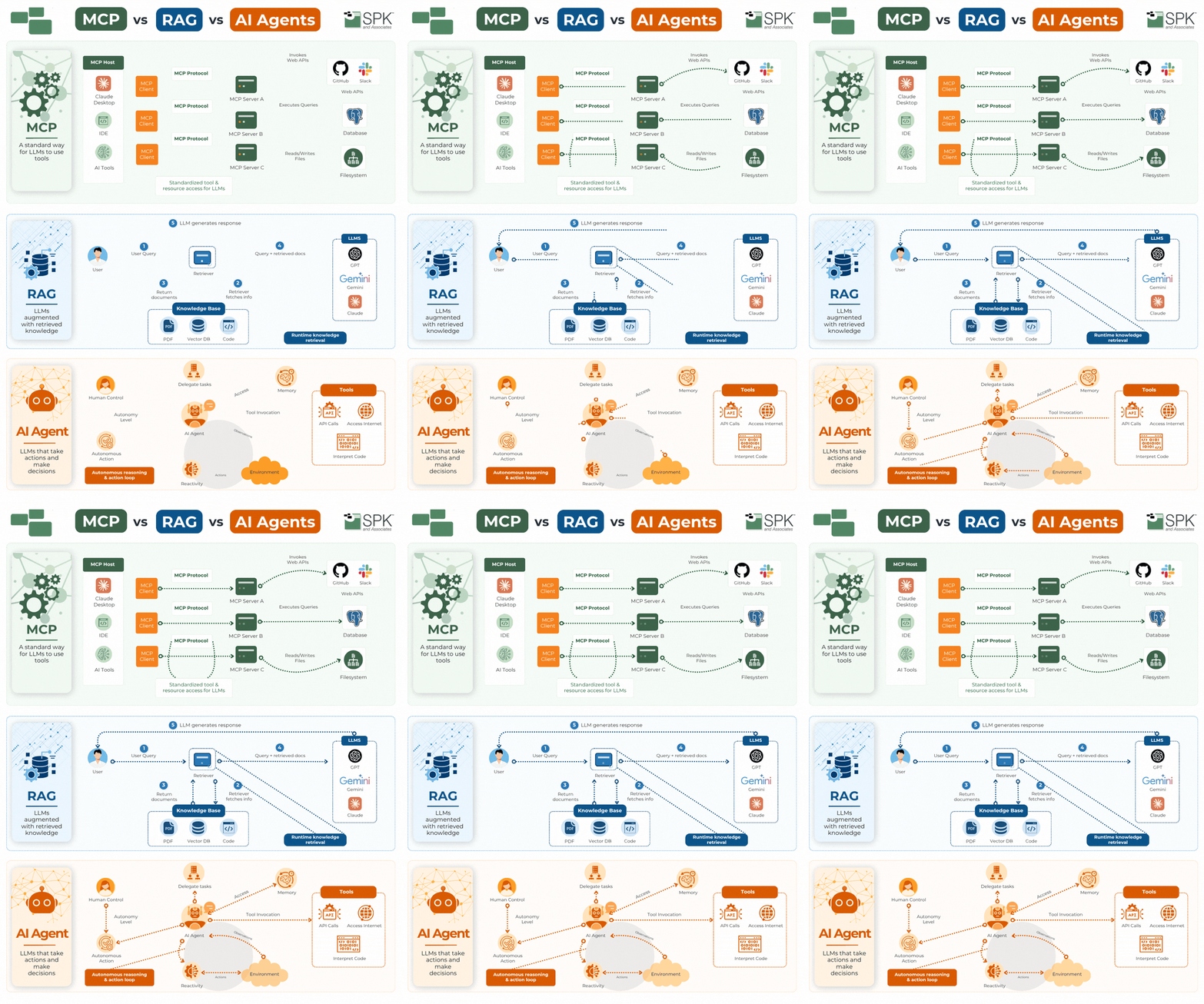
Examples and Capabilities of MCP Servers
The power of MCP is best demonstrated by how major platform providers are already utilizing it. Atlassian and GitLab have both embraced MCP to ensure their rich data sets are available to the AI tools engineers use every day.
Atlassian Rovo
The Atlassian Rovo MCP server is a prime example of this integration layer. It securely connects Jira and Confluence with your LLM or IDE of choice. This allows an engineer to stay focused on their workflow. For instance, if a developer is working in Claude, they can use the Rovo MCP server to pull context from a Jira work item or a Confluence specification page without switching tabs. This is not just about reading data, but about scaling how work is done. The Rovo MCP server also offers capabilities like bulk creation of Jira items or the summarization of work across the entire Atlassian platform.
As always, when speaking about AI, security is at the forefront. The Atlassian Rovo MCP server uses OAuth authentication and granular permission controls. Administrators can add or block specific AI domains to ensure that data only flows to trusted applications. This ensures that the AI becomes more capable, while the organization’s intellectual property remains protected.
GitLab MCP
Similarly, the GitLab MCP server provides a standardized way for AI assistants like Claude Desktop or Cursor to access GitLab project information. It supports OAuth 2.0 Dynamic Client Registration, which allows AI tools to securely register themselves with a GitLab instance. Once authorized, the AI can retrieve issue data, merge request details, and interact with GitLab APIs. This level of integration ensures that the AI understands the current state of the software development lifecycle, providing suggestions that are grounded in the reality of the codebase.

Creating Context Around Jira, Codebeamer, Windchill, and More
While Atlassian and GitLab provide excellent starting points, the true AI engine for a complex engineering organization must go deeper. This is where SPK and Associates provides significant value. Modern product development requires a close integration of hardware and software systems. To create a truly powerful AI engine, organizations must connect AI to the core engineering platforms that drive the business. This includes ALM systems like Codebeamer and PLM systems like PTC Windchill. By creating custom MCP servers or utilizing existing connectors, organizations can provide an LLM with the full context of the development stack.
Imagine an AI agent that can interface with these complex systems using natural language. In a requirements management scenario, a lead engineer could ask the AI to retrieve the safety requirements for a battery housing from Codebeamer and compare them against the latest CAD metadata in Windchill. Because MCP provides a standardized way to fetch and exchange this data, AI can act as a sophisticated interface for tools that are traditionally difficult to navigate. Many organizations struggle with the steep learning curves associated with enterprise engineering tools. MCP-enabled AI reduces this friction by allowing users to interact with complex systems through natural language rather than requiring deep expertise in every interface.
Our Suggestion
Additionally, SPK often recommends an “AI as an intern” operating model. In this approach, the MCP server allows AI to draft or propose updates within applications, but human review remains mandatory before changes are finalized. The AI may draft a new requirement in Codebeamer or suggest a modification to a part attribute in Windchill, but engineers and quality teams validate the work before it reaches production. This helps organizations accelerate productivity while maintaining quality, compliance, and governance.
Achieving Governance with MCP Servers
Building a proprietary AI engine is no longer a futuristic concept. It is becoming a practical reality for engineering organizations looking to improve efficiency, collaboration, and product development speed. By leveraging MCP servers, companies can break down silos between Jira, Codebeamer, Windchill, and DevSecOps pipelines to create a unified, context-aware engineering environment. MCP provides the governance and standardization needed to scale AI safely while reducing the complexity traditionally associated with integrating enterprise systems.
When implemented effectively, organizations can achieve measurable business outcomes such as faster delivery cycles, improved product quality, stronger traceability, and a more efficient engineering workforce. If your organization is ready to move beyond generic AI, SPK and Associates can help. We specialize in modernizing and optimizing the systems that drive product development. Contact us today to get started.