
Key Takeaways
- Audit failures often stem from incomplete records, disconnected systems, weak controls, and manual processes.
- Continuous traceability helps teams capture compliance evidence as part of everyday engineering work.
- Connecting ALM and PLM creates clearer relationships between requirements, risks, tests, changes, and product configurations.
- Tools like Codebeamer and Windchill can strengthen audit trails, approvals, lifecycle governance, and historical visibility.
- A connected digital thread reduces last-minute audit preparation and helps organizations maintain continuous compliance readiness.
For engineering organizations in regulated industries, completing audits often feels overwhelming. Teams can spend weeks scurrying to assemble spreadsheets, but this last-minute approach to compliance is a primary driver of audit failure. Compliance shouldn’t be reactive. Instead, it should be a natural byproduct of your daily engineering workflows. By implementing audit traceability through a connected digital thread, organizations can move from a state of constant preparation to a state of continuous compliance audit readiness.
The Top Reasons Audits Fail
Audit failures rarely happen because teams do not care about compliance or are unwilling to put in the work. More often, they happen because the systems supporting product development make it difficult to prove what actually happened. Common audit failures tend to expose the same underlying problems: incomplete records, disconnected systems, weak controls, unresolved findings, and too much dependence on manual work.
Inadequate Documentation
One of the simplest ways an audit can go wrong is also one of the most common. This is that the organization cannot produce objective evidence for something it says happened. A team member may remember reviewing a requirement, or an engineer may know why a design decision was made. However, if the organization cannot produce the associated record, timestamp, approval, or audit trail, that explanation carries very little weight during an audit.
This becomes especially difficult when teams rely heavily on meetings, email, chat, spreadsheets, or documents that are not connected to the product lifecycle. Important context may exist somewhere, but finding it quickly and proving that it relates to the correct product version can be difficult. Good documentation is therefore about more than storing records. Organizations need records that are tied to the work they support, and that can be retrieved in context. When relationships are maintained throughout development, documentation becomes usable evidence rather than a collection of files.


Disconnected Systems
Modern engineering teams rarely work in one application. Requirements may live in an ALM platform, CAD data in PLM, and source code in a DevOps platform. The problem is not necessarily that several tools exist, but when the relationships between those tools depend on people manually maintaining them. When systems are disconnected, teams lose visibility into how one change affects the rest of the product lifecycle. At a small scale, teams can sometimes work around these gaps through meetings and spreadsheets. As programs grow, that approach becomes much harder to maintain. The number of relationships between requirements, software, hardware, risks, tests, approvals, releases, and configurations grows quickly. During an audit, those broken relationships become compliance gaps.
Missing Approvals and Weak Internal Controls
Auditors frequently need proof that the right person reviewed or approved an activity before work progressed. That sounds straightforward until approval processes depend on email chains, spreadsheet fields, shared documents, or employees remembering to complete a manual step. Weak internal controls can include missing approvals, inconsistent workflow enforcement, poor access controls, or an inability to show who had authority to perform a particular action.
For engineering teams, automated workflows can remove much of this uncertainty, while role-based permissions can control who is allowed to make or approve specific changes. The important point is that the process itself should enforce the control. If compliance depends entirely on someone remembering every step, eventually something will be missed.
Poor Historical Visibility
Speaking of uncertainty, auditors often care as much about how something changed as they do about its current state. They may ask questions such as “Who authorized this change?” or “Which risk controls were reconsidered?” If the organization only has the latest version of a requirement or document, answering those questions becomes difficult. This is especially important in regulated product development. Historical visibility also helps engineering teams outside an audit. When an issue appears late in development, teams can trace it back to understand which decision introduced it and what else may have been affected.

Manual Human Error
Manual work is one of the largest hidden risks in compliance. When employees have to copy information from one system to another or collect screenshots, there are many opportunities for mistakes. Those mistakes do not necessarily happen because employees are careless; there may just be too much information to maintain manually. This becomes particularly difficult for software-driven products. A regulated product can involve user needs, system requirements, hardware components, risks, code changes, tests, product configurations, and more. These relationships need to remain current throughout the lifecycle rather than being assembled shortly before an audit.
Manual traceability also consumes engineering time. Developers, quality teams, and product managers end up searching for records and reconciling information instead of working on the product. The goal should be to make evidence collection a byproduct of the engineering process.
Avoiding Failures with Traceable ALM and PLM
Organizations can reduce many of these risks by building a connected digital thread across Application Lifecycle Management and Product Lifecycle Management. ALM tools manage areas such as requirements, testing, risks, verification, development activities, and compliance. PLM systems manage product data, configurations, bills of materials, change processes, and lifecycle records. In a complex product, those worlds cannot remain isolated.
A software requirement may affect a system requirement, which then impacts a hardware configuration, test case, cybersecurity control, risk mitigation, or release. Teams need to understand those relationships while development is happening, not months later when an auditor asks for them. Connecting ALM and PLM creates end-to-end visibility across these lifecycle relationships.
Codebeamer for ALM Traceability
PTC Codebeamer provides a structured ALM environment for managing requirements, risks, development activities, tests, reviews, and compliance evidence. Rather than treating requirements as static documents, Codebeamer allows organizations to manage them as structured lifecycle information. It also supports capabilities such as traceability metrics, audit trails, automated reporting, workflow controls, role-based access, and approval gates. Together, these features allow teams to capture compliance evidence as development takes place rather than reconstructing it afterward. This turns compliance audit readiness into an ongoing process.

Windchill for PLM Governance
PTC Windchill extends governance into the physical product lifecycle. Windchill manages engineering information such as product data, configurations, changes, parts, bills of materials, and related lifecycle records. This becomes especially important when software and physical product development move together. If relationships between components are hidden across disconnected systems, teams may not recognize the impact until much later. By connecting Codebeamer and Windchill, organizations can create a digital thread between systems engineering, software development, and physical product data. The result is a more complete view of the product than either ALM or PLM can provide on its own.

The Power of Integration
The real value appears when these systems exchange information reliably. Teams should not have to rebuild traceability every time they need to prepare for an audit. The relationships should already exist. For example, when an engineer changes a system requirement, the associated teams should see the impact in the systems where they already work. Related approvals can begin without someone manually emailing another team.
This leads to several practical outcomes such as faster change cycles, complete traceability, and smoother audits. These results lead organizations to become more confident in both the products they deliver and the data they report once information is connected and kept current across systems. That confidence is important. Audit readiness depends heavily on knowing that the information you are showing an auditor accurately represents what occurred.
How SPK and Associates Implements Continuous Compliance
One of the biggest mistakes organizations make is treating the digital thread as a one-time integration project. Systems, workflows, and teams change over time, so traceability needs to evolve with them. At SPK and Associates, we focus on building integrations that support continuous compliance and long-term audit readiness. That means designing around the flow of information, not simply connecting one tool to another. Requirements, approvals, risks, tests, changes, and configurations need to stay accurate and synchronized across ALM, PLM, and DevOps systems.

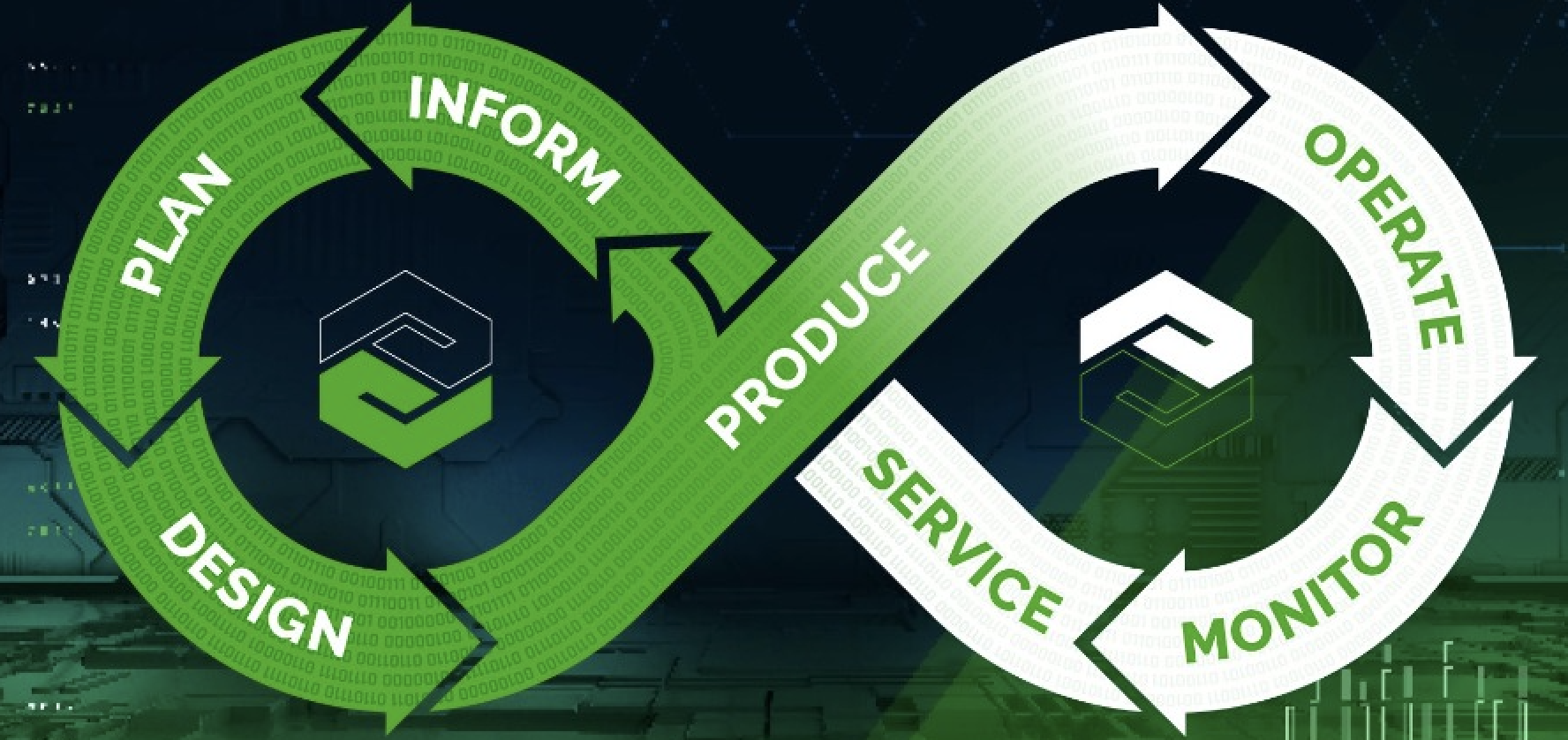
We design integrations so engineers can maintain traceability within the tools they already use. This reduces manual updates, duplicate data entry, and the risk of incomplete audit evidence. Using platforms such as OpsHub, with connected tool ecosystems from providers such as PTC, Atlassian, and GitLab, we help organizations create a reusable integration layer that keeps lifecycle data connected as systems change. The result is a digital thread that stays current throughout development, so teams can access reliable traceability when an audit occurs instead of rebuilding it at the last minute.
Avoiding Audit Failures with Traceability
Audit failures often expose problems that have been developing long before the auditor arrives. Weeks of audit preparation may simply be the visible cost of years of manual processes. Organizations can address these problems much earlier by treating traceability as part of product development itself. Tools like Codebeamer and Windchill connect and provide governance across features like requirements, product changes, and more. Integration between those systems can help preserve the relationships between software, systems, and hardware as the product evolves. The result is more than an easier audit. Organizations move away from last-minute audit preparation and toward continuous compliance audit readiness. If your team is ready to improve audit traceability across your engineering environment, contact SPK and Associates today to learn how we can help you connect ALM, PLM, DevOps, and compliance workflows into a traceable digital thread.