
Key Takeaways
- Automotive compliance must be continuous. Regulations such as UNECE R155 and R156 require teams to manage cybersecurity risks and software updates throughout the vehicle lifecycle, not just at audit time.
- Disconnected tools make compliance difficult. When requirements, product configurations, code, and security results live in separate systems, teams face more manual work and greater risk of traceability gaps.
- A unified digital thread helps generate evidence automatically. Connecting ALM, PLM, and DevOps systems allows compliance records to be created as part of everyday engineering work.
- SPK helps automotive teams connect compliance, cybersecurity, and engineering workflows. This includes integrating platforms such as Windchill, Codebeamer, GitLab, Azure DevOps, and OpsHub while supporting long-term managed services.
The shift from vehicles as mechanical systems to complex, software-driven platforms is transforming the automotive industry. Vehicles have evolved. A modern car now functions as a mobile data center, containing millions of lines of code across numerous electronic control units. This shift allows for incredible innovation, yet it also introduces significant cybersecurity risks and regulatory pressures. For many engineering teams, the old ways of managing compliance no longer work. Traditional methods often rely on point-in-time assessments. These snapshots check if a system meets requirements at one specific moment. In a world where software updates happen frequently, a snapshot becomes obsolete almost immediately. Automotive manufacturers must now transition toward continuous evidence generation to satisfy modern regulatory standards.
The Limitations of Point-in-Time Compliance
Point-in-time compliance is a reactive model. It involves gathering documents and verifying configurations right before an audit or a product launch. While this might have sufficed for hardware-centric vehicles, it creates dangerous gaps for software-defined machines.
When compliance is treated as a static event, several operational risks emerge:
- The Traceability Gap: Regulations like UNECE R155 and R156 demand a clear link between software versions and hardware configurations. If your data lives in disconnected silos, proving this link is difficult. Engineers often have to manually extract data from different systems to show how a patch affects a specific ECU. This manual effort is slow and frequently leads to errors. This is one of the primary reasons why tool integration is critical for modern automotive compliance.
- Requirements Drift: When software development moves faster than hardware documentation, the two can fall out of alignment. A point-in-time check might miss the moment when a software update no longer fits the physical constraints of the vehicle.
- Delayed Incident Response: R155 requires manufacturers to monitor threats across the entire lifecycle of a vehicle. If vulnerability data is trapped in a DevOps tool while vehicle configurations are in a PLM system, identifying which cars are at risk takes too long. This delay directly conflicts with the need for a certified Cyber Security Management System.
Relying on snapshots means you are only compliant on the day of the assessment. The moment a new vulnerability is discovered, or a software patch is deployed, that compliance record is no longer accurate.
The Regulatory Shift: UNECE R155 and R156
Automotive engineering leaders must navigate two primary regulations that mandate a more dynamic approach to safety and security. UNECE R155 and R156 represent a major shift in how engineering teams handle software and cybersecurity.
UNECE R155 focuses on the Cyber Security Management System (CSMS). It requires companies to identify and mitigate risks throughout the development, production, and post-production phases. UNECE R156 addresses the Software Update Management System (SUMS). This regulation ensures that updates are delivered securely and do not compromise vehicle safety.
These two standards are deeply interconnected. The CSMS identifies when a security update is necessary, and the SUMS ensures that the update reaches the vehicle without causing new issues. Compliance with these standards is not a one-off task. It is a continuous obligation. Engineers must build these processes into the development lifecycle from the very beginning. Treating security and updates as an afterthought leads to rework, schedule delays, and potential regulatory rejection.
Compliance Is Critical for Automotive Development
Teams must account for standards and regulations beyond UNECE R155 and UNECE R156, such as ISO 26262 and Automotive SPICE, while continuing to deliver new features and software updates at a competitive pace. Automotive manufacturers and suppliers need to demonstrate that requirements, design decisions, software changes, tests, security controls, and releases remain traceable throughout the development lifecycle.
The challenge is that much of this evidence exists across different systems. Requirements may live in an ALM platform, product configurations in PLM, code in a source control system, and security results inside the DevOps pipeline. When those systems remain disconnected, teams often have to assemble compliance evidence manually before an audit or review. That approach creates additional work for engineers and increases the chance of missing records, inconsistent data, or traceability gaps.
Continuously Generating Compliance Evidence with Connected Tools
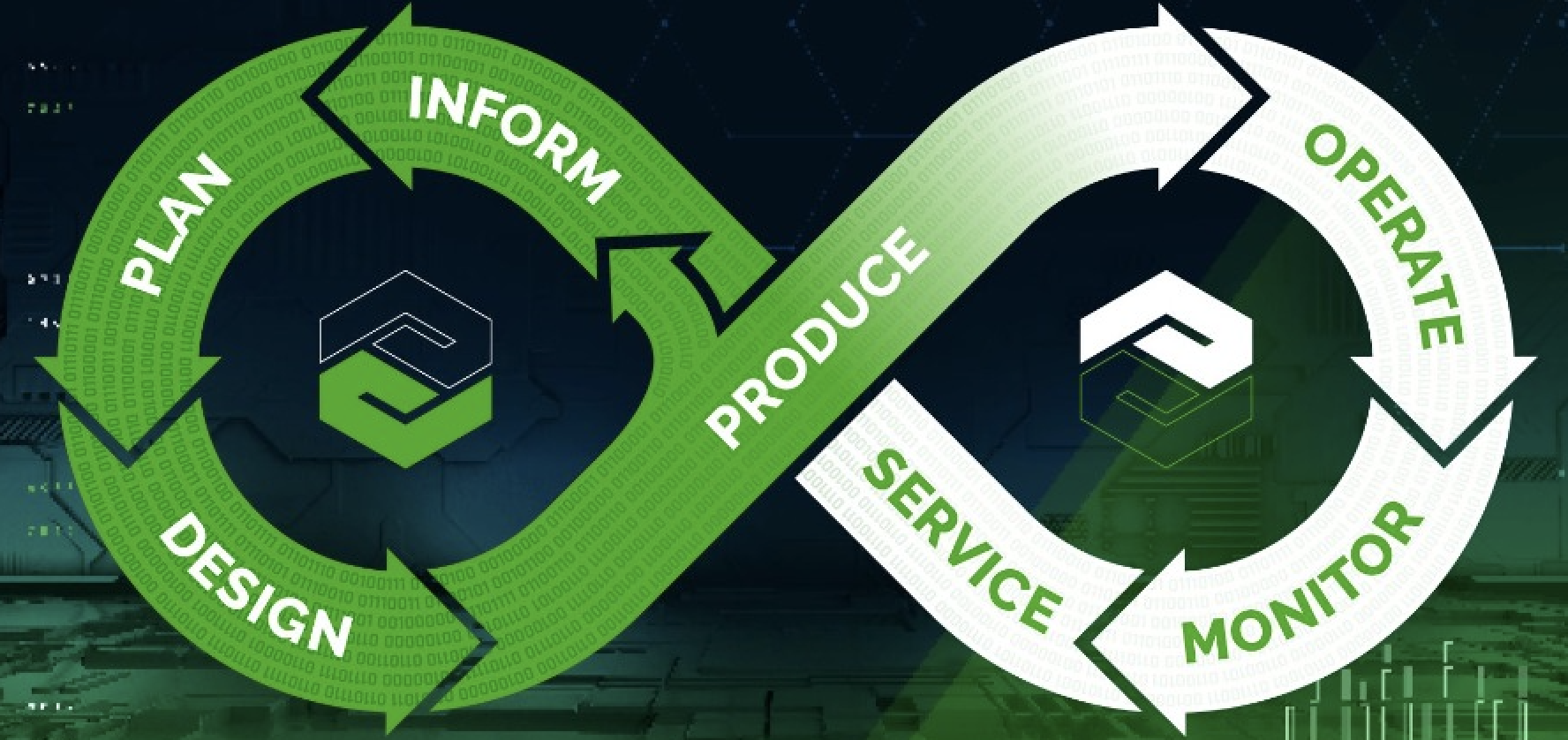
A more sustainable approach is to build a unified digital thread across the engineering environment. A digital thread connects information across the product lifecycle so compliance evidence is created as engineers complete their normal work.
ALM & PLM
Connecting Application Lifecycle Management and Product Lifecycle Management systems is an important part of this approach. This helps software and hardware teams maintain relationships between software requirements and physical product configurations. When a hardware change affects a software requirement, connected systems can make that impact visible without relying on manual communication between teams. These links also create a searchable record of how the product evolved, giving teams stronger evidence during regulatory reviews.
This connected approach can also support information associated with software configuration and type approval, including the Regulatory Software Identification Number, or RXSWIN. Maintaining accurate relationships between approved software versions, requirements, configurations, and related evidence becomes easier when information flows through integrated systems rather than spreadsheets and manual records.
DevOps
The digital thread should extend into DevOps as well. Connecting platforms such as GitLab or Azure DevOps with ALM and compliance systems allows teams to capture evidence directly from the software delivery process. When developers commit code, automated pipelines can perform vulnerability scanning, code analysis, testing, and other required checks. Those results can then become part of the compliance record. This creates a continuous evidence trail instead of requiring engineering teams to reconstruct development history later.
The result is a different approach to compliance. Audits and reviews become less dependent on one-time evidence-gathering exercises because engineering systems continuously document what changed, why it changed, how it was tested, and whether required controls were completed.
How SPK and Associates Supports Continuous Compliance
SPK and Associates helps automotive organizations build the connected environments needed to support continuous compliance. We work across ALM, PLM, DevOps, cloud infrastructure, security, and integration to help organizations connect the systems their engineers already depend on.
Cybersecurity is an important part of that work. We help organizations incorporate cybersecurity controls throughout the software lifecycle instead of treating security as a final check before release. This can include integrating automated security testing into CI/CD pipelines, improving configuration management, supporting continuous validation, and helping organizations establish cybersecurity practices that support requirements such as UNECE R155. Catching security issues earlier also gives development teams more time to address them before they affect a release.
We also help connect the broader automotive engineering toolchain. Our team works with platforms such as PTC Windchill, Codebeamer, GitLab, Azure DevOps, and integration technologies such as OpsHub. By creating reliable connections between these systems, engineering organizations can reduce manual handoffs while maintaining traceability across requirements, product configurations, software development, testing, defects, and releases.
This is especially important for mechatronic development, where hardware and software changes frequently affect one another. A connected toolchain gives teams better visibility into those dependencies while also producing the records needed for compliance reviews.
SPK brings more than 20 years of experience supporting engineering organizations, including teams operating in regulated and safety-critical environments. We help organizations implement practical modernization strategies that account for both engineering productivity and regulatory requirements. We can also provide ongoing managed services to maintain integrations, infrastructure, and development platforms after implementation so the systems supporting the digital thread remain reliable and secure.
Achieving Continuous Compliance in Automotive
For automotive engineering teams, compliance cannot be separated from everyday product development. Connecting ALM, PLM, DevOps, and cybersecurity tools allows organizations to generate evidence continuously as part of normal engineering work. SPK and Associates helps automotive organizations build these connected engineering environments, integrating the tools, cybersecurity controls, and processes needed to support continuous compliance while allowing engineers to stay focused on developing safe, secure, and reliable products. If your organization is ready to ensure continuous compliance, reach out to our team.