

Key Takeaways
- Integrate your toolchain to eliminate manual handoffs, re-entry errors, and slow feedback loops between PLM, ALM, DevOps, and ITSM systems.
- Build end-to-end traceability with a connected digital thread so engineers can run impact analysis in minutes and catch defects before they become rework.
- Automate repetitive work such as builds, testing, deployments, and status updates, and use AI tools with a human in the loop for regulated environments.
- Break down silos with shared platforms that give mechanical, electrical, software, and quality teams a common view of the work.
- Modernize infrastructure with managed cloud hosting and cloud-based CAD to remove performance bottlenecks and upgrade delays.
Engineering cycle time is the time from when an idea enters your development process until a validated, shippable result comes out the other end. Short cycles indicate your teams are successful at getting a product to market faster, responding faster to feedback, and having more room to innovate. Longer cycles are often caused by friction. Every release gets silently held up for days or weeks by disconnected tools, manual handoffs, unclear ownership, and aging infrastructure. Each tool may be good at what it does, but when the systems don’t talk to each other, engineers are left reentering data, chasing status updates, and fixing issues that should have been caught earlier. The stakes are even higher for teams in regulated industries such as medical devices, aerospace, and automotive.
The good news is cycle time is not fixed. By working on the systems and processes around your engineers, you can remove the friction that slows them down, without sacrificing quality or compliance. Here are five ways to practically reduce engineering cycle time.
1. Remove Manual Handoffs Between Systems
In many engineering organizations, the toolchain evolved one system at a time. Mechanical engineers work in PLM, software teams in ALM, quality teams maintain their own records, and IT support runs on a separate service management platform. People are the integration layer when these systems are separated. That means engineers copying requirements from one tool to another, emailing status updates, and manually reentering defects or change requests across platforms. Each handoff introduces delays while each manual entry runs the risk of error. Feedback loops are slow because information is late, incomplete, or missing.
Integrating your engineering systems removes the handoffs. Integration tools from OpsHub and Exalate can help with this. OpsHub Integration Manager (OIM) can integrate over 70 engineering, ALM, DevOps, ITSM, and CRM systems and provide real-time synchronization of requirements, defects, incidents, and change. Exalate can integrate Jira and ServiceNow so bugs and change requests automatically flow between engineering and IT support.
To get started, map where work crosses system boundaries today. Look for places where someone retypes, exports, or emails information to move it forward. Those are your first integration candidates.

2. Minimize Rework with End-to-End Traceability
Few things increase cycle time like rework. When a requirement changes and nobody can quickly see what designs, code, tests, and documents are impacted by it, problems slip downstream. They turn up late in verification, in audits, or worse: after release. It takes much longer to fix a problem at that stage than it does to catch it in design. End-to-end traceability links requirements to design, design to verification, and verification to release. A connected digital thread allows engineers to conduct impact analysis in minutes instead of days. They know exactly what a change impacts before they make it, which stops the introduction of defects.
A great example of a digital thread is PTC’s suite of tools, particularly Codebeamer and Windchill. Codebeamer manages requirements, risks, tests, and compliance artifacts for both software and hardware. Windchill is the product data backbone connecting engineering, manufacturing, and service. Together they form a single thread that extends traceability beyond R&D. Traceability doesn’t have to mean making all teams use one platform, though. We recently did some work using OpsHub to connect Codebeamer to Azure DevOps. The result was 100% change traceability across both systems, with automatic synchronization of links and test results and no disruption to existing workflows.




For regulated teams, this is where compliance becomes an operational advantage and not an overhead for documentation. When traceability is part of the daily work, audit-ready evidence is a by-product of the engineering, not a separate project at the end.
3. Automate Repetitive Engineering Tasks
Engineers spend a huge portion of their week doing work that doesn’t require engineering judgment. Each cycle is slowed down and distracted by manual testing, deployments, status updates, report generation, and routine approvals. Much of this work is hidden in plain sight, because teams have simply accepted it as part of the job. Automation gives you that time back.
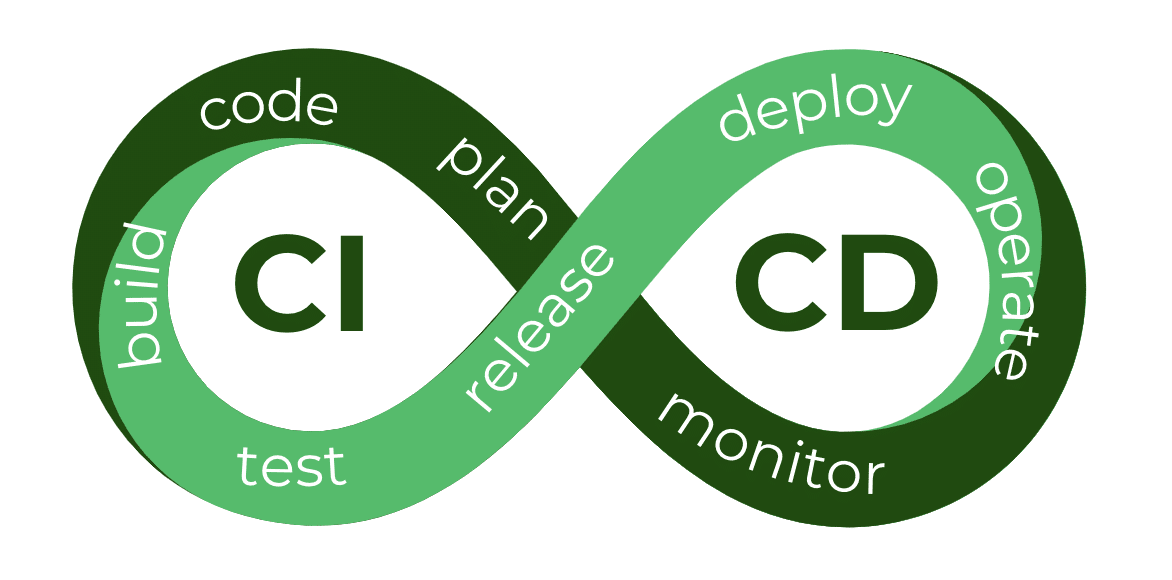
From the software perspective, CI/CD pipelines automate builds, tests, security scans, and deployments, enabling consistent and rapid movement of code from commit to release. Platforms like GitLab embed security checks directly into pipelines, catching vulnerabilities early rather than at the end of the pipeline. Jira automation can handle issue routing, status changes, and escalations without anyone having to do anything. On the hardware side, PLM workflows can automate change routing, reviews, and release processes so engineering changes don’t sit in someone’s inbox.
AI is accelerating this even further. GitLab Duo helps you with code suggestions, test generation, and fixing failed pipeline builds. Atlassian Rovo connects information across Jira, Confluence and Loom, to surface answers and automate specialized workflows through custom agents. The key for regulated organizations is to keep a human in the loop. AI should speed up the work, but the key decisions are still approved by and accountable to humans. It is also best practice to know where your time goes before you automate it. A structured assessment such as SPK’s CI/CD Readiness Assessment helps you identify idle time, non-value-added work, and automation gaps that are holding you back.
4. Increase Engineering Inter-Departmental Collaboration
Modern products are rarely the work of one discipline. A medical device, an electric vehicle subsystem, or a defense platform brings together mechanical, electrical, software, quality, and manufacturing teams, often spread across sites, time zones, and suppliers. When those teams work in silos, decisions get stuck, assumptions go unexamined, and conflicts come up late, when they are most expensive to fix.
Silos are often created for good reasons. Teams specialize, adopt the tools that work for them, and develop their own processes. As time goes by, different software builds up walls to communication, and these walls become part of the culture. The same is true in engineering and IT. Engineers may find themselves waiting for the support they need for the systems they rely on, due to this disconnect.
Tools that Connect Teams
Tools and habits are both necessary to break silos. Shared platforms provide a common view of the work across all disciplines:
- Jira gives visibility into work, dependencies, and progress across hardware and software teams.
- Confluence captures design decisions, standards and lessons learned, preventing knowledge from being trapped in inboxes.
- Loom allows engineers to walk through a design or defect asynchronously, reducing meetings across time zones.
- Windchill and Creo provide a single source of controlled product data to mechanical teams and downstream stakeholders.





Secure collaboration should extend beyond internal teams to external partners as well. Suppliers are now part of a controlled digital thread; everyone is working off the same data, and intellectual property is being protected. The reward is massive. Better collaboration leads to streamlined workflows, better quality assurance, and the avoidance of rework from teams working with different assumptions.
5. Modernize Engineering Infrastructure and Tools
You can’t outrun the best processes with outdated infrastructure. Legacy systems, outdated on-premise servers, and slow upgrades all add drag to every engineering cycle. Engineers wait for models to load while IT teams are constantly looking after hardware. Meanwhile, new capabilities such as AI features are unreachable because they’re only in the cloud.

Modernization begins with a candid assessment of which workloads belong in the cloud, which should remain on-premises, and where a hybrid approach is appropriate. From there, organizations can move high-impact systems like Windchill, Codebeamer, GitLab, and Jira to managed cloud environments that scale with demand and remain up-to-date without disruptive upgrade projects. Validated cloud hosting simplifies compliance for regulated teams, without the infrastructure headache. That’s where our team can help.
CAD environments are a great opportunity for modernization. SPK vCAD provides high-performance, cloud-hosted virtual workstations for Creo, SolidWorks, Ansys, and other demanding applications. vCAD speeds up loading times and new engineer onboarding times, as well as enables distributed teams to collaborate in shared sessions.
In addition to modernizing, toolchain consolidation is important. The combination of planning, development, security, and operations in one platform like GitLab has helped enterprises go from 12- to 18-month release cycles to continuous delivery.
How Do You Reduce Engineering Cycle Time?
Reducing engineering cycle time isn’t always simple. Here are the 5 things you can do to make it simpler.
1. Eliminate Manual Handoffs Between Systems
2. Reduce Rework with End-to-End Traceability
3. Automate Repetitive Engineering Work
4. Improve Engineering Collaboration Across Teams
5. Modernize Engineering Infrastructure and Tooling
Take away the friction around your team. These five strategies reinforce each other. Integration gets rid of handoffs and allows for traceability. Traceability reduces rework and aids compliance. Automation frees engineers to work on high-value work. We work better together on common platforms, and modern infrastructure gives the speed and scale to make it all work. It may seem overwhelming, but you don’t have to do it all at once. Begin with the bottleneck that costs your team the most time. Prove the value and work from there.
At SPK and Associates, we help product development organizations modernize, connect, secure, and optimize the systems that power engineering. Our experts have deep experience in PLM, ALM, and DevOps, cloud for engineering and data, especially in regulated industries where speed and control have to co-exist. If you want to reduce your engineering cycle time, talk to our experts about where your greatest opportunities are.