

spk-logo-white-text-short2
0%
1-888-310-4540 (main) / 1-888-707-6150 (support) info@spkaa.com
Select Page

Top Data Center Power Planning Considerations

Written by SPK Blog Post
Published on November 10, 2011

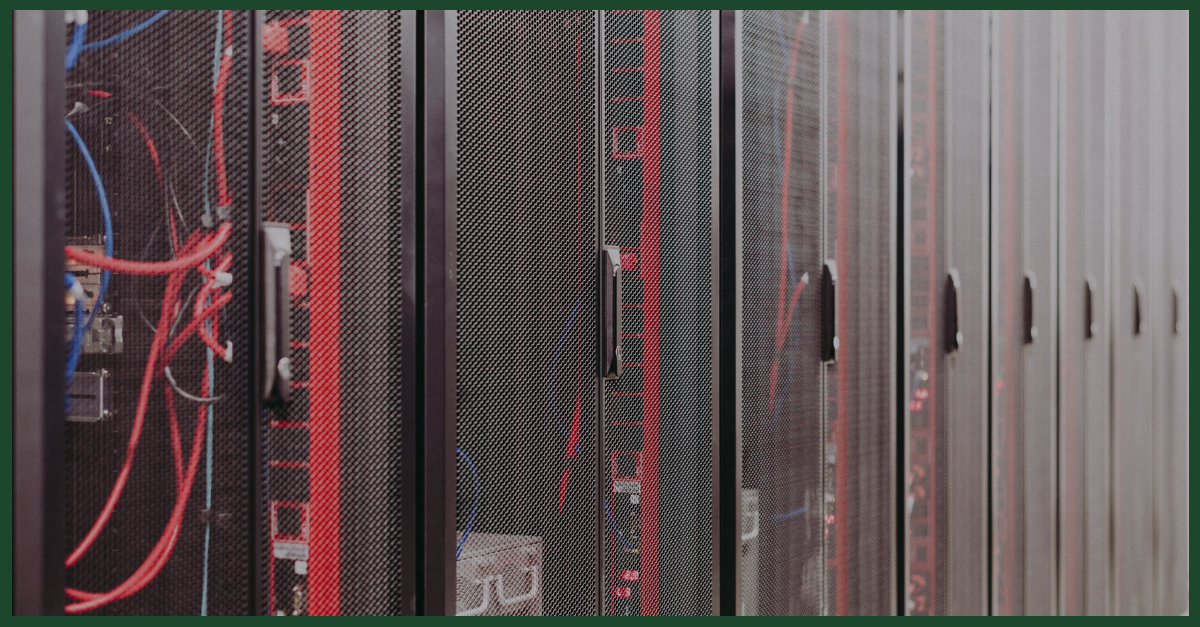
Our Infrastructure Management Services include data center migration planning and deployment. Recently, I moved two different companies to new facilities. Both had drastically different IT needs. One was heavier on infrastructure and server room. The other was not focused so much on infrastructure as it was on phones and vendor services. For the first company, we needed to plan the data center carefully to ensure a smooth operation once we moved. One of the challenges was power. Below is some information about things to think about in your next move.  Let me know if you have other opinions or experiences.

Data Center Power Plan for a New Site

Before anything, determine the service level agreement you need to meet.  Most Data Centers fall
into three categories:

1.  HA – typically a Collocation facility.  This is where you need fully redundant N+1 power,
network, and cooling for applications that are always up.
2.  Corporate critical daytime but available for scheduled maintenance evenings or
weekends.  Some potential outages may occur for unexpected hardware failures but
critical infrastructure is redundant.
3.  Engineering Data Center.   Desired to be up but no one is willing to pay to create a higher
availability with redundant architecture.

In this case, we’ll focus on …

Download the Full document here.

Latest White Papers

10 AI Use Cases: Accelerating Automotive Embedded Development

10 AI Use Cases: Accelerating Automotive Embedded Development

Software-defined and electric vehicles are only increasing as automotive technology advances. As these features grow, automakers must adapt. Manufacturing a car is not the same as it was years ago. This eBook explores how AI can be used in the automotive development...

Related Resources

Why Most AI Initiatives Fail in Engineering and How to Scale Them

Why Most AI Initiatives Fail in Engineering and How to Scale Them

Key Takeaways AI failures are often foundation problems, not technology problems: Engineering AI initiatives frequently stall because organizations lack clear business objectives, trusted data, connected systems, and scalable processes. AI needs connected,...

Why Late-Stage Changes Are Killing Your Time to Market

Why Late-Stage Changes Are Killing Your Time to Market

Key Takeaways Late-stage changes get expensive fast: The farther a problem travels through design, testing, and manufacturing, the more time, cost, and rework it creates. Disconnected systems and weak traceability are major causes: When requirements, design, software,...