
For many engineering teams, file-based Product Data Management (PDM) tools are the first step toward controlling design data chaos. Solutions like SolidWorks PDM bring order to CAD files, versions, and check-in and check-out processes. For a time, this is enough. However, as products grow more complex and regulatory and quality demands become more stringent, many organizations reach a tipping point. Engineering is not about just managing files, but managing products, configurations, changes, suppliers, and lifecycle risk. This is where Product Lifecycle Management (PLM) becomes a business necessity rather than a tooling upgrade. For organizations that have outgrown PDM, moving to a tool like Windchill PLM can enable the next stage of scale, collaboration, and compliance.
PDM vs PLM: Understanding the Difference
Product Data Management (PDM) and Product Lifecycle Management (PLM) are often discussed together, but they serve very different purposes.
PDM is a subset of PLM. It focuses primarily on engineering data and acts as a vault for CAD files, version control, and basic Bill of Materials management. Tools like SolidWorks PDM excel at this role.
PLM, on the other hand, is a company-wide strategy. It connects engineering data with manufacturing, procurement, quality, service, and the broader enterprise. PLM manages the full lifecycle of the product from concept through production, service, and retirement.
The distinction matters because many of the challenges organizations face are not file problems. They are product problems that span multiple systems and teams.

Why Switch from PDM to PLM
1. PDM Manages Files. PLM Manages the Product.
Tools like SolidWorks PDM are very effective at controlling CAD files and revisions. However, modern products require managing far more than drawings. PTC Windchill manages the complete product definition, including parts, BOMs, configurations, documents, requirements, and changes, all in a single system. This is vital because as products become more software-enabled, configurable, and regulated, organizations need a system that represents the product across engineering, manufacturing, quality, software, and service. File control alone is not sufficient for growing organizations.
2. Scaling Change Management Beyond Engineering
PDM tools typically support engineering-centric changes. PLM platforms provide enterprise-grade change management. With Windchill, companies can manage engineering, manufacturing, and quality changes in a single workflow. They can also perform structured impact analysis across BOMs and configurations and support formal approvals, audits, and traceability. Once changes affect suppliers, manufacturing processes, or regulated documentation, PDM workflows start to break down. PLM ensures that changes are controlled, visible, and auditable across the entire organization.
These BOMs can also include software artifacts, and as more products become software defined, PLM systems are the only sure way to manage these releases.
3. Managing Multi-BOM and Configuration Complexity
As organizations grow, they must manage:
- Engineering BOMs, Manufacturing BOMs, and Service BOMs
- Product variants and options
- Platform-based and modular architectures
Tools like SolidWorks PDM have limited support for multi-BOM and configuration management. Windchill, on the other hand, is designed from the ground up to handle associative, configurable BOMs at scale. Without PLM, teams rely on spreadsheets, duplicated data, or manual reconciliation between systems. This leads to errors, delays, and rework that directly impact cost and time to market.
4. Enabling Cross-Functional and Global Collaboration
PDM tools are optimized for CAD users. PLM platforms are built for cross-functional collaboration.
Windchill supports:
- Role-based access for engineering, manufacturing, quality, procurement, and service
- Secure supplier collaboration
- Enterprise-grade permissions and audit trails
As teams become more global and product development involves more stakeholders, companies need a system that supports collaboration well beyond the CAD department.
5. Supporting Regulatory, Quality, and Traceability Requirements
Many organizations make the move to PLM when they expand into regulated industries such as medical devices, automotive, aerospace, or industrial equipment. Windchill enables end-to-end traceability from requirements to design to manufacturing. Furthermore, Windchill offers versioned product records, audit readiness, and integration with quality management and ALM systems. This is vital as PDM alone cannot support formal compliance processes or the long-term product records required for audits, certifications, and regulatory submissions.
6. Enabling a Digital Thread Strategy
A growing driver for PLM adoption is the need for a connected digital thread.
Windchill allows organizations to connect:
- Requirements and software development systems
- Engineering and manufacturing data
- Field service and quality feedback
- Multiple CAD systems in a single PLM backbone
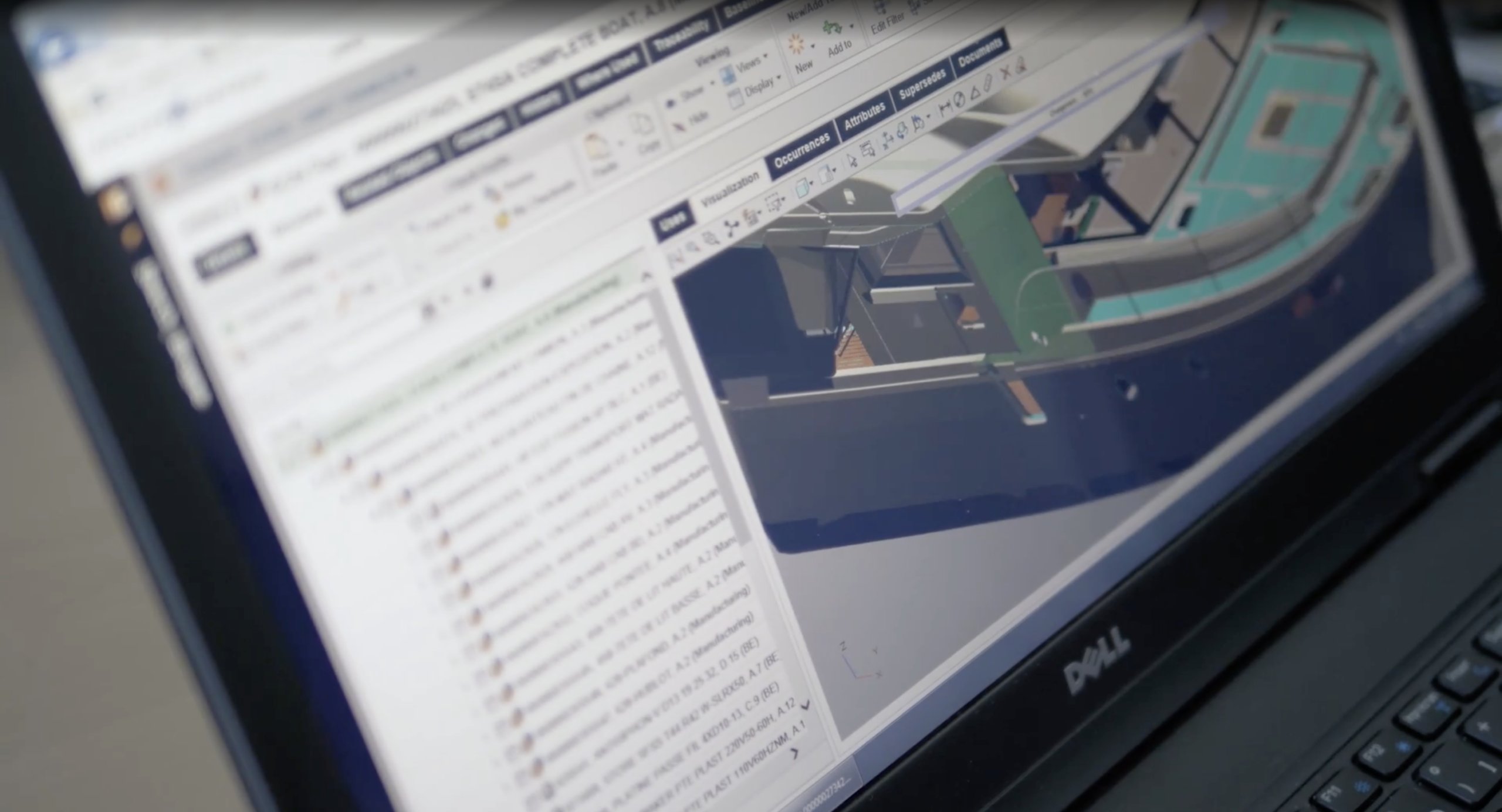
For companies using multiple CAD tools, such as SolidWorks and Creo, Windchill provides native connectivity through Windchill Workgroup Manager, accessible directly within the SolidWorks interface. PLM becomes the system that allows data to flow between tools, teams, and lifecycle stages without manual handoffs or data duplication.
Key Benefits of Windchill PLM
If the previous reasons are not enough for you to make the switch, Windchill also delivers enterprise-ready capabilities that go well beyond traditional PDM:
- Modern architecture
Web-based architecture designed for data at scale and multi-system orchestration. - Secure collaboration
IP protection and platform-level security for internal and external collaboration.
- Streamlined upgrades: Upgrade data in place with automation that minimizes user disruption.
- Administration and support: IoT-based monitoring for proactive support and improved system reliability, along with training resources to drive adoption.
- Flexible delivery models: Deploy on premises or in the cloud to meet uptime, security, and compliance requirements.
SPK and Associates x Windchill
SPK and Associates is a trusted PTC partner with deep experience helping organizations move from PDM to PLM successfully.
SPK supports customers through:
- PLM strategy and roadmap development
- Windchill licensing and deployment
- Data migration from SolidWorks PDM and other PDM systems
- Process design for change management, BOM management, and compliance
- Integration with CAD, ERP, ALM, and quality systems
Our team brings both engineering and IT expertise, ensuring that Windchill is implemented not just as a tool, but as a scalable platform aligned to business outcomes.
Ready to Move from File-Based PDM to PLM?
PDM tools play an important role in managing engineering files, but they were never designed to manage the full complexity of modern products. As organizations scale, diversify, and enter regulated markets, file-based PDM becomes a bottleneck rather than an enabler. Windchill PLM provides the structure, traceability, and connectivity needed to manage products across their entire lifecycle. For companies that have outgrown PDM, the move to PLM is a strategic shift. With the right partner and a clear roadmap, organizations can transition from managing files to managing products. If you would like to see how SPK can help your organization make the move, contact us today.