
While nearly every engineering organization is using artificial intelligence in some form, there are some hoops teams must jump through before integrating AI. Inside most large enterprises, the authority sits with an AI governance board. These boards exist to protect sensitive data, ensure regulatory compliance, and reduce the risk of exposing intellectual property or customer information. However, as AI adoption accelerates across software and product engineering, many organizations are discovering a hard truth. Governance, while necessary, can quietly suffocate innovation when overutilized. The companies that succeed with AI in 2026 will not be the ones that recklessly approve every tool or aggressively block the most requests. They will be the ones who learn how to balance speed, safety, and accountability. That balance starts with understanding why governance exists and how to make it work for engineering teams instead of against them.
The Benefits of AI in Software and Product Engineering
When used responsibly, AI has immense value across the engineering lifecycle. In software engineering, AI agents are transforming how teams build, test, secure, and release code. Multi-agent systems can work in parallel across repositories, pipelines, and projects, reducing bottlenecks and accelerating delivery. These agents operate with full project context, including source code, requirements, CI/CD results, and security data. Due to this, they can provide recommendations that are relevant and actionable rather than generic.
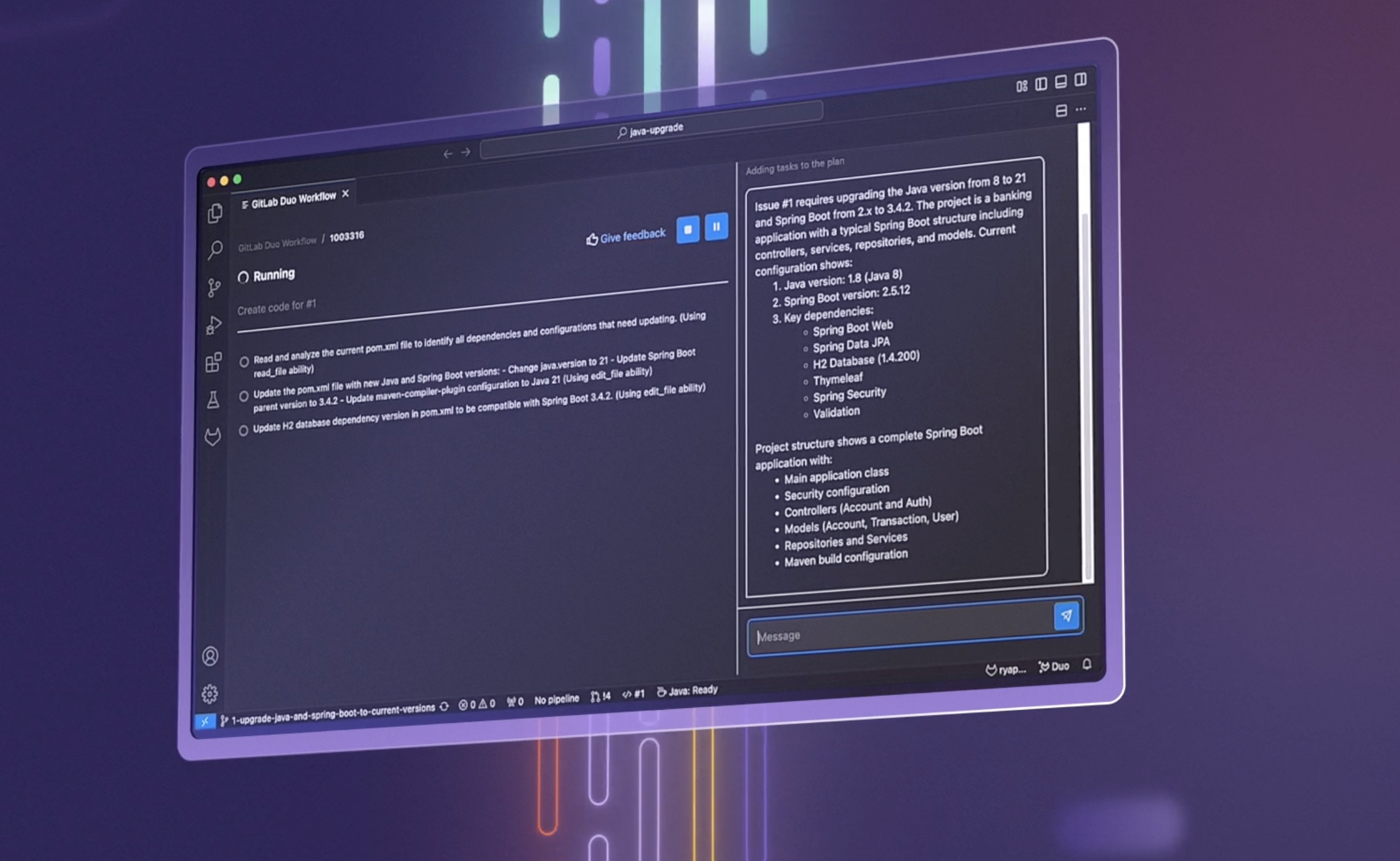

AI is also becoming deeply embedded in product engineering. Intelligent agents now operate inside PLM, ALM, QMS, and service platforms to automate routine work and support complex decisions. Teams are using AI to generate compliance documentation, monitor change impact across systems, identify risk hotspots early in development, and prepare for audits with greater consistency and accuracy.
In regulated industries like medtech and automotive manufacturing, this embedded intelligence is not just about efficiency. It directly improves quality, traceability, and time to market. AI reduces administrative burden while strengthening control, which is exactly what engineering leaders are under pressure to achieve.
The Importance of AI Governance Boards
AI governance boards emerged because AI systems rely heavily on data, much of which may be regulated or confidential. That creates real risk if usage is not understood and controlled. As a result, governance boards evaluate proposed AI tools and use cases and determine whether they can be used safely within the organization. This includes questions like how data is accessed, where it is stored, and whether regulatory obligations are affected. Without a thorough approval process, some AI tools risk leaking confidential information, which leads to noncompliance and distrust from clients.

How SPK’s AI Launchpad Helps Organizations Get This Right
Many organizations struggle with AI because they lack a clear strategy, operate in silos, cannot demonstrate ROI, or do not know where to start. Others already have AI embedded in tools they pay for but are not using effectively, or worse, are using without understanding the risk. SPK’s AI Launchpad helps organizations resolve this gap. Our experts start by assessing where your organization stands today. We evaluate your existing tools to identify built-in AI capabilities you may already have. We review how and where AI is being used, including usage that may not be formally approved. Additionally, we analyze where your data lives, how it is structured, and where security or compliance risks may exist.

From there, we benchmark your organization against a proven AI maturity model. Through gap analysis, we identify what is missing, whether that is clean data, integrated systems, governance frameworks, or specialized expertise. The result is a clear 12 to 36-month roadmap that balances quick wins with long-term scalability. This includes prioritized use cases, governance recommendations, pilot opportunities, and measurable KPIs aligned to business objectives. You leave with clarity and a practical action plan, not buzzwords or vendor hype. Just as importantly, AI Launchpad helps align engineering ambition with governance reality. It gives AI governance boards the confidence to say yes faster where risk is low and apply controls where risk is real.
Using AI in Engineering
In 2026, AI is no longer a special initiative. It is embedded in everyday engineering tools, workflows, and platforms. Organizations that treat AI governance as a slow, opaque approval process will struggle to keep up. Those who ignore governance altogether will eventually pay the price. The winners will be the ones who design governance to enable responsible speed.
If you want to turn AI hype into real engineering outcomes without increasing risk, SPK’s AI Launchpad can help you build the strategy, governance, and roadmap to do it right. Contact our team to start the conversation.