
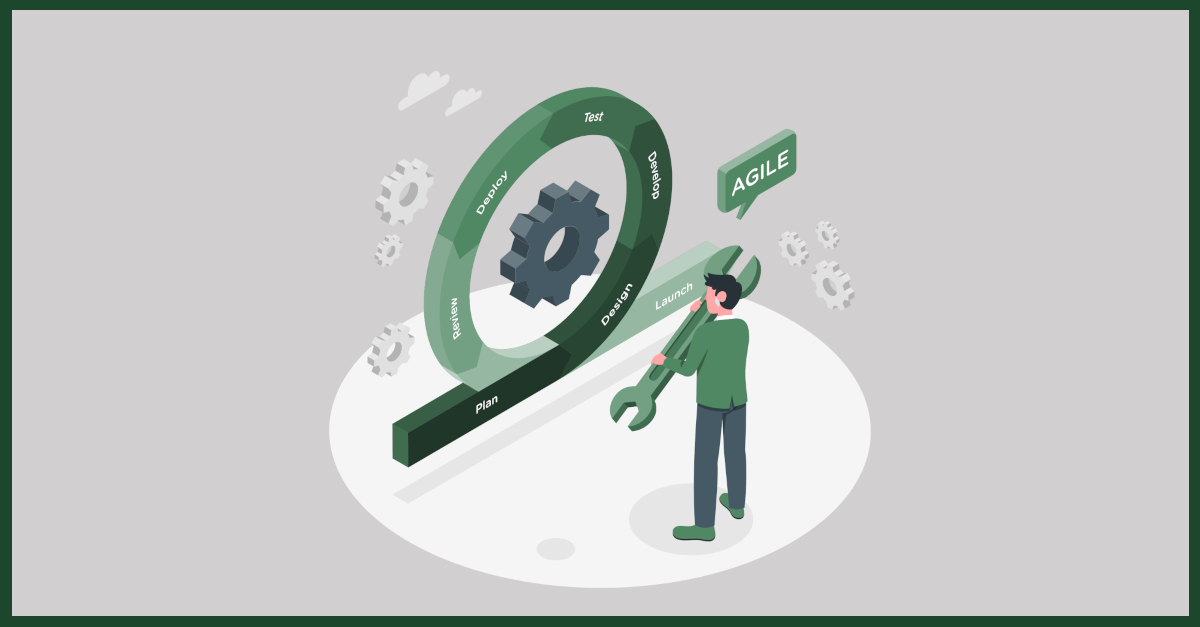

Welcome back to the second installment in our 12-part series examining Agile Manifesto principles. Today we’ll discuss the idea of coping with changing requirements throughout a project’s lifetime as in the Agile Manifesto principle:
“Welcome changing requirements, even late in development. Agile processes harness change for the customer’s competitive advantage.”
Changing requirements are a fact of life. Whether you’re building software or waiting tables at a restaurant you must accommodate unforeseen changes. Such changes might take the form of customer demands or technical or regulatory constraints. Rolling with change is a defining characteristic of Agile. The goal here is maximizing long-term, sustained competitiveness and reducing the time to market.
Change is inevitable, not an obstacle to be resisted. Agile seeks to leverage this fact rather than fight it. In many instances being the first to capitalize on emerging market demands means dominance. That being the case, Agile cultivates a working style lending itself to moving quickly in new directions when opportunities — not obstacles — present themselves.
Moving quickly to capitalize on new opportunities manifests itself in several ways: short development cycles, frequent feedback, striving for simplicity and so on. However, the real focus of this principle is the attitude behind those manifestations. Agile seeks to harness change — it regards changing conditions and the ability to adapt to them as an asset. This is an outlook, an attitude, a way of coping with change. If that mindset is missing from an organization, it makes adopting other Agile practices much more difficult.
Read more from post one in the series “A Deep Dive into the Agile Manifesto’s 12 Core Principles.”
Keep your eyes on the SPK and Associates blog for more articles unpacking Agile Methodology.
David Hubbell
Senior Software Engineer
SPK & Associates