

Key Takeaways
- End-to-end traceability is essential for regulatory compliance. Connecting requirements, risks, tests, changes, and approvals helps organizations maintain accurate compliance records throughout product development.
- Connected traceability improves audit readiness. Automatically maintaining relationships between engineering records reduces manual documentation efforts and makes compliance evidence easier to access.
- Traceability supports better risk management and change control. Understanding how engineering changes affect requirements, product designs, and testing helps teams identify risks and prevent compliance gaps.
- Compliance should be part of everyday engineering workflows. Embedding traceability into existing processes reduces administrative overhead, improves visibility, and helps teams maintain continuous compliance.
Compliance is a continuous obligation for engineering organizations, especially those in heavily regulated industries. Medical device, automotive, and aerospace manufacturers must prove their products meet stringent criteria for quality, safety, and performance throughout the product lifecycle. However, establishing compliance is difficult when risks, test results, and approvals are scattered across multiple platforms. That is why ensuring end-to-end traceability across platforms is essential for modern compliance. To do this, teams must connect engineering data and processes so they can retain accurate records and be ready for audits at any time.
Why Traceability Matters for Compliance
Traceability is the connector between product requirements, design decisions, risks, testing, changes, and approvals. It allows businesses to trace a need from the moment it is defined, through its implementation, verification, and ultimate release. Without traceability, engineering and quality teams typically have to rely on disconnected documents, spreadsheets, or other manual reports to show compliance. These techniques make it difficult to determine whether requirements have been tested. Additionally, it makes it hard to comprehend the impact certain engineering modifications have on other components of a product. The more complicated the products, the harder it is to manage these effects manually. It’s best practice for organizations to build traceability into their existing engineering workflows rather than treating compliance as a separate documentation task. This results in a more reliable history of development work, and allows teams to spend more time building and improving products.
Traceability for Managing Data
Connecting engineering systems gives firms more visibility into product development and lets them catch potential problems before they snowball. Here are a few positive outcomes of traceability.

Audit Readiness
Regulatory audit preparation can be time-consuming, as teams need to manually gather requirements, test records, change histories, and approvals from multiple systems. With connected traceability, organizations can see these records and how they connect, making it easy to obtain the supporting evidence they need. This lowers the time required for audit preparation and provides additional evidence that compliance standards were followed during development. Furthermore, regularly updating this data prevents the risk of having to search for missing papers just before an audit.
Impact Assessment
An engineering modification rarely affects only one component or need. Software modifications can impact hardware settings, associated test cases, risk controls, or product documentation. Traceability lets teams learn about these dependencies before they are changed. That visibility is vital for teams such as automotive manufacturers building software-defined vehicles, as software changes can alter safety-critical operations and need additional verification.
Risk Control
Traceability gives businesses the ability to trace risks to requirements, mitigation actions, and verification activities. For example, a team building a medical device could link a potential product hazard to the design controls that limit the risk, and to the testing required to verify the controls. These relationships help quality teams determine if risks are being managed properly and if changes are creating any new concerns. They also provide evidence that firms have successfully followed their own methods for risk management.
Validation
Manufacturers of regulated products must demonstrate that their products meet the specified standards and perform as expected. Traceability combines requirements with verification and validation operations, making it easier to identify gaps in test coverage and to be certain about which versions of the product have been validated. Engineering teams can then identify tests that need to be updated or performed if requirements change. This avoids partial validation records, leading to more consistent product deliveries.
These skills work together to embed compliance into the product development process rather than leaving compliance as something enterprises only worry about when an audit looms.
The Foundation of Connected ALM, PLM and Project Management
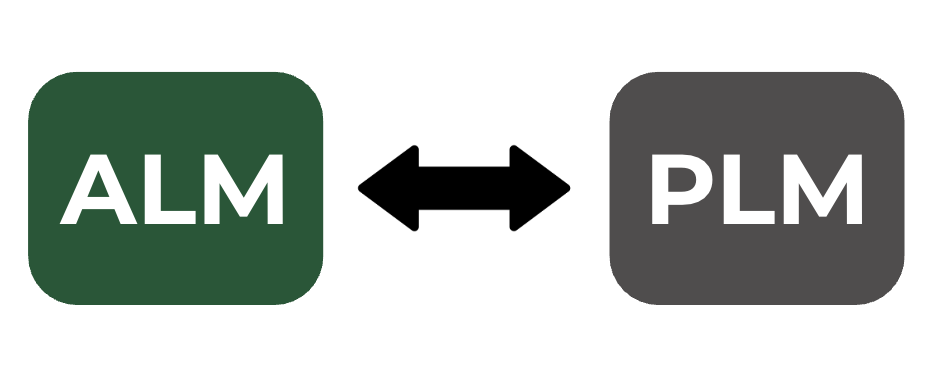
Documenting connections between engineering tasks is not enough to provide end-to-end traceability. As requirements change, designs alter, and testing finishes, organizations need systems that maintain those connections. Connecting the dots between Application Lifecycle Management (ALM), Product Lifecycle Management (PLM), and project management technologies produces a continuous digital thread across product development.

PTC Codebeamer
An ALM solution such as Codebeamer covers requirements, risks, testing, reviews, and compliance operations. Traceability allows teams to link requirements to associated test cases, faults, and risk controls. Codebeamer also supports defined workflows, approval processes and audit trails, allowing enterprises to have solid evidence of compliance during development. This is especially important for medical device and automotive teams dealing with complex regulatory standards.

PTC Windchill PLM
While Codebeamer covers requirements and risks, Windchill PLM manages CAD data, product configurations, bills of materials, engineering changes, and related records to provide traceability for the physical product lifecycle. When Windchill is integrated with ALM tools, firms may correlate their software and system needs to the actual goods to which they are related. For example, a change to an automotive safety requirement can be traced to the related design configuration, engineering change records, and verification operations. This enables teams to assess changes with a more comprehensive perspective of their impact.

Atlassian Jira
Connecting ALM and PLM helps maintain traceability across the product lifecycle, but connecting project management tools helps trace any additional documents. A tool like Jira, a project management and issue tracking software, helps teams manage development activities, defects, and software delivery operations. Jira integration with Codebeamer enables organizations to relate their daily development activity to formal requirements and compliance processes. Engineers can continue to track tasks and problems in Jira, while quality and systems engineering teams can continue to maintain traceability needed for regulated development. Depending on the integration setup, teams can enter the same data or synchronize pertinent information between systems.

OpsHub
For enterprises with numerous engineering platforms, integration solutions like OpsHub Integration Manager can help synchronize lifecycle records from ALM, PLM, and other enterprise systems. This enables enterprises to create a digital thread without having to replace every technology in their existing environment. The idea is to allow engineering teams to keep traceability in the systems they presently use, and to keep compliance evidence up to date and easily available.
Organizations may bake compliance into their daily engineering process with a connected ecosystem. Rather than retrace the connections between product features, teams can maintain those relationships as the work continues. This increases visibility, promotes faster decision-making, and reduces the effort for regulatory reporting.
Staying Compliant in Modern Engineering
Traceability is the bedrock of modern compliance. It provides organizations with the proof they need to verify their products are compliant throughout the entire development process. However, successful traceability depends on integrating engineering processes and systems. Without integrating ALM, PLM, and project management technologies, firms risk losing visibility into crucial relationships, producing more work for engineering and quality teams.
At SPK, we assist clients in establishing connected engineering environments that provide traceability and compliance. Our team has broad experience with Windchill, Codebeamer, Jira, and cross-platform connectors. Whether your organization is preparing for regulatory audits, improving change management, or building a more complete digital thread, contact us to learn more about how we can help you improve traceability and simplify compliance across the product lifecycle.