
Software comprises an entire ecosystem of open-source libraries, third-party components, containers, APIs, build pipelines, cloud services, and developer tools. This can be referred to as your software supply chain. High-profile cyberattacks often target dependencies and build systems, so a single compromised package could open the door to data theft and malware. This is why if you sell into regulated industries or the public sector, you must prove how you secure your software, not just claim you do. To keep up with rigorous regulations, organizations need more than scattered manual reviews. They need a strategy, backed by tools like Black Duck, that provide visibility, automation, and evidence at every stage of the software lifecycle.
Risks of Noncompliance With Software Supply Chain Security Governance
Failing to secure and govern your software supply chain is not just a technical risk. It is a business risk that shows up in several painful ways:
- Increased likelihood of a data breach or malware
- Loss of customer trust
- Regulatory penalties
- Financial loss due to attacks and remediation costs

How To Reduce the Risk of Supply Chain Attacks
You cannot eliminate software supply chain risk, but you can systematically reduce it by focusing on a few core practices.
Know What is in Your Software
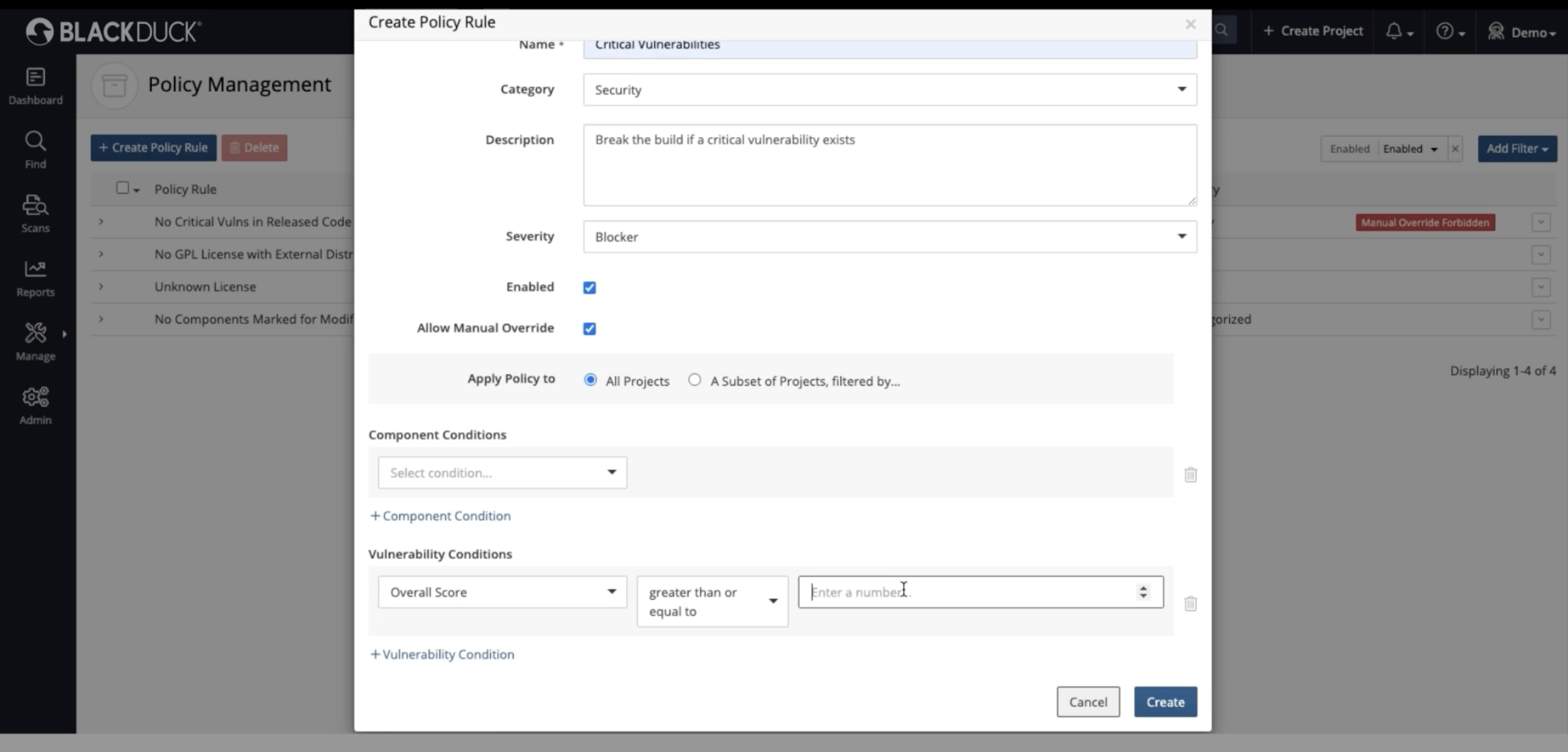
You cannot secure what you cannot see. Start with software composition analysis so you can identify every open source and third-party component in your applications, containers, and binaries. This is the foundation for visibility, vulnerability detection, compliance, and standards based on SBOMs.
Black Duck SCA and Supply Chain Edition provide deep detection across source, binaries, containers, and snippets. They build a trusted SBOM for each application and keep it updated with vulnerability, license, and operational risk insights.
Ensure Developers Write Secure Proprietary Code
Attackers do not care whether a weakness originates in open source or in your own code. This is why Static application security testing (SAST) is essential to catch security and quality defects early. Check out how these tools from Black Duck offer help ensure your proprietary code is not the weak link in an otherwise hardened supply chain.
- Coverity Static Analysis
- Finds security and quality defects in proprietary code and infrastructure as code
- Enforces secure coding standards and compliance requirements
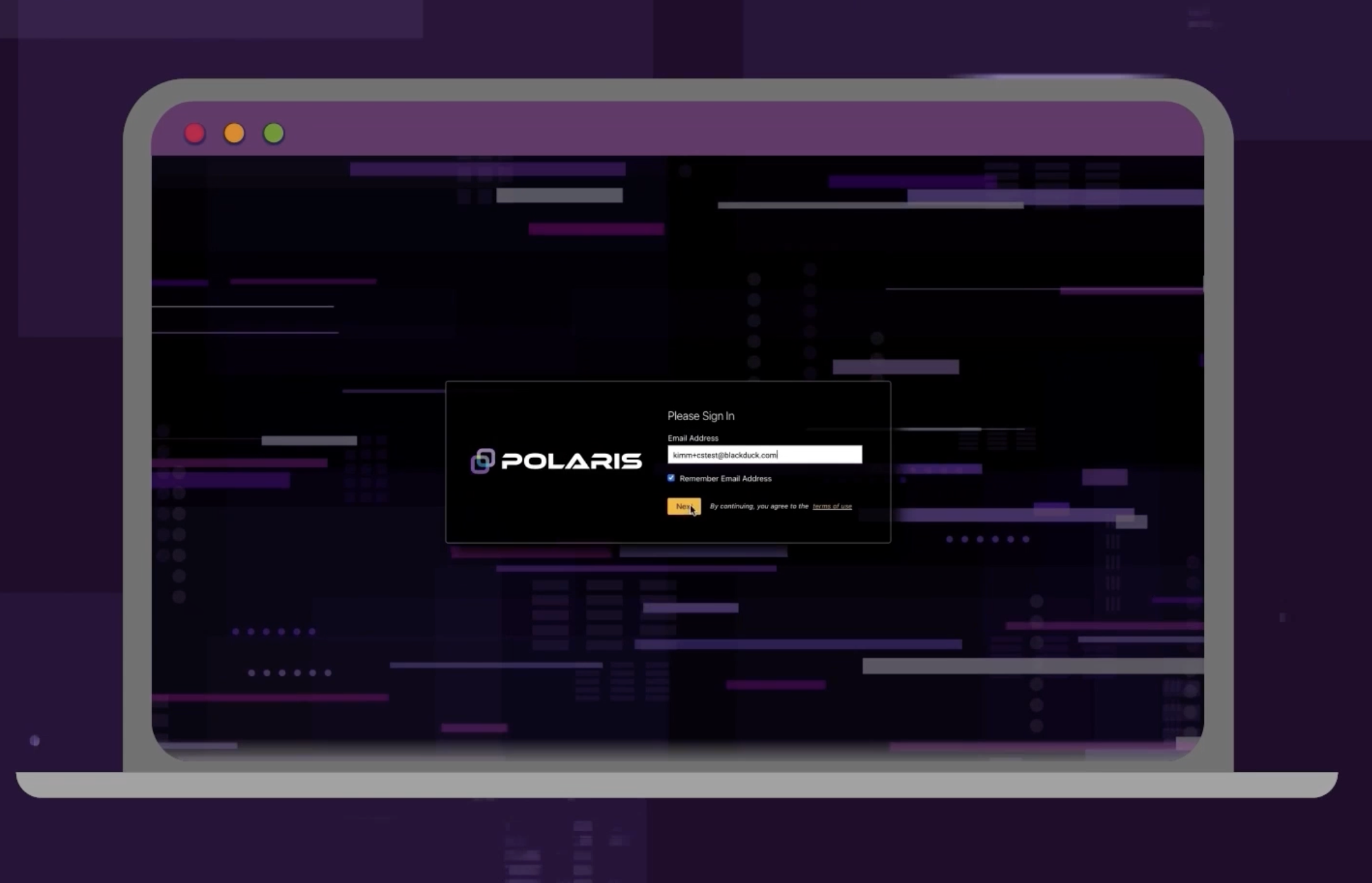
- Polaris fAST Static
- Delivers SAST as part of the Polaris platform so you can scan at scale across many teams and applications
Secure Your Build and Deployment Pipelines
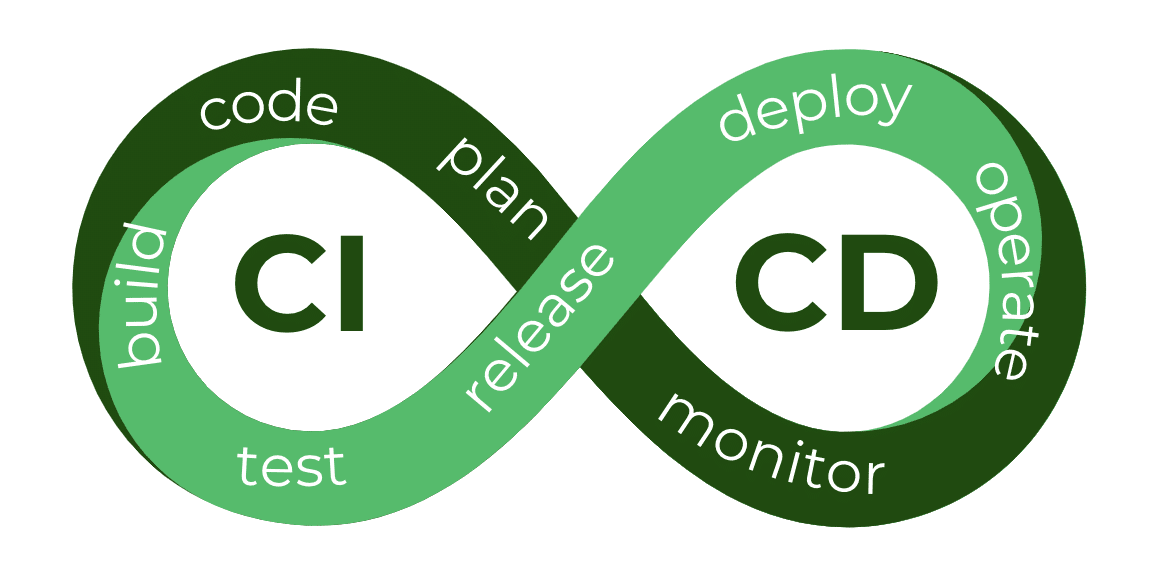
CI/CD is a prime target for attackers. Compromised build scripts or runners can inject malicious code into every artifact you ship. You need:
- Verified sources and dependency policies
- Hardened build environments
- Automated checks wired into pipelines, not bolted on after the fact
How Black Duck and Polaris help
- Pipeline templates and SCM plugins for GitHub, GitLab, Azure DevOps, Jenkins, and others allow you to shift testing into CI/CD without building everything from scratch.
- Policy automation governs which components are allowed and when builds should fail or require approval.
This moves supply chain controls into the natural flow of development instead of relying on manual gates.
Harden Data Transfer and Application Behavior
Even if your components and code are clean, runtime behavior can expose you to supply chain risk, especially when applications handle sensitive data from partners or customers.
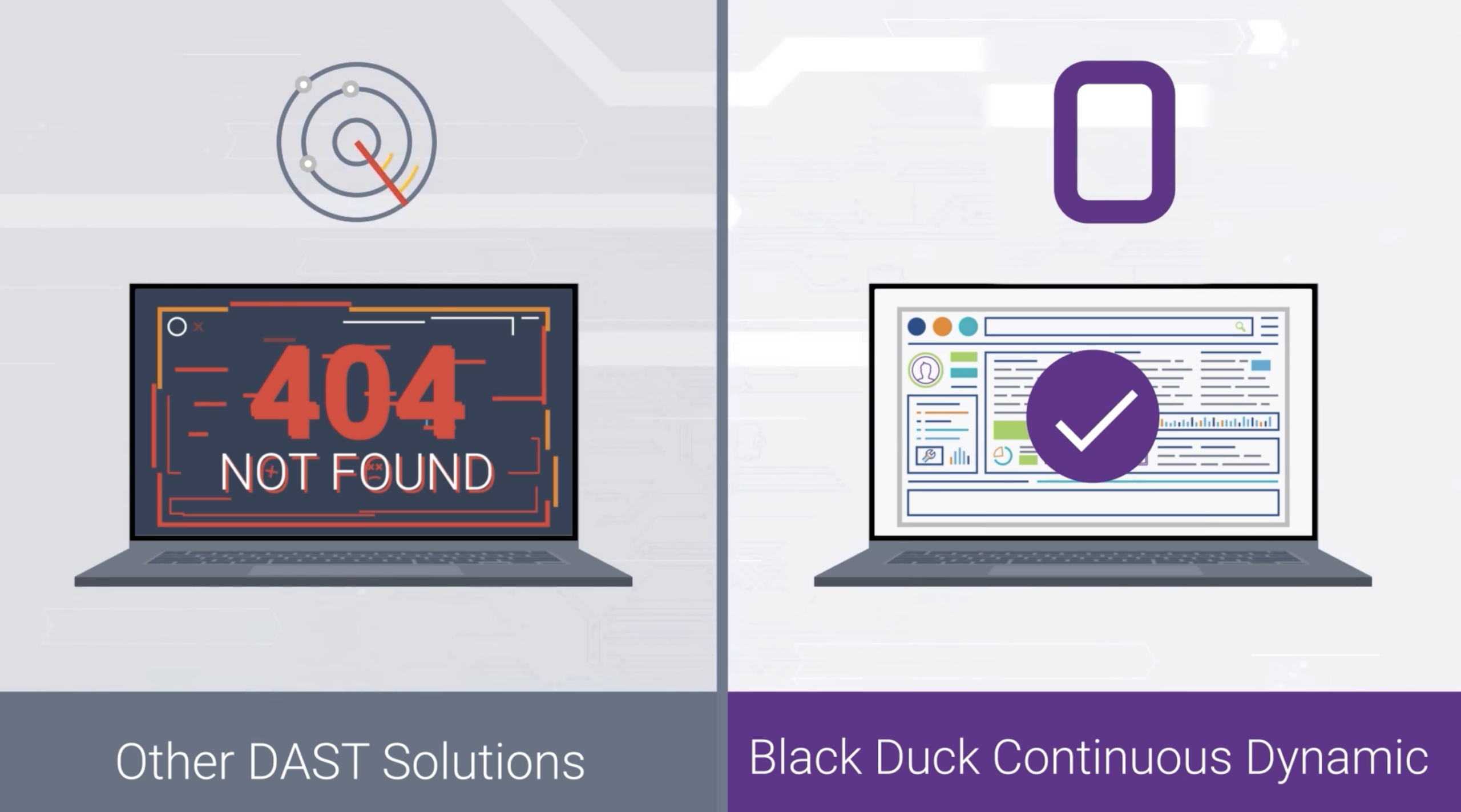
Continuous Dynamic provides DAST tailored for developers. It:
- Crawls and exercises web applications using a headless browser
- Detects OWASP Top 10 and other web vulnerabilities
- Produces clear, step-by-step guidance for remediation
Monitoring application behavior in realistic conditions ensures that risky changes, misconfigurations, or vulnerable dependencies do not silently slip into production.
Continuously Test and Monitor Security
Software supply chain security is not a one-time project. It requires continuous testing and ongoing evidence for customers, partners, and regulators.
Key activities include:
- Ongoing SCA, SAST, and DAST throughout the SDLC
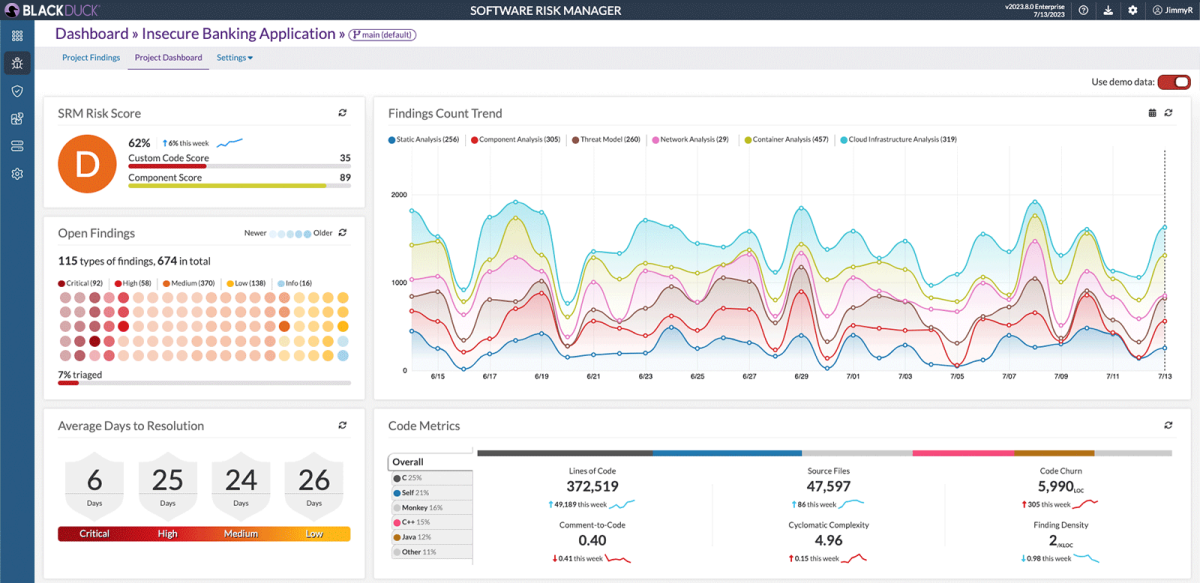
- Centralized risk views across applications, tools, and teams
- SBOM generation and sharing in formats such as SPDX and CycloneDX
- Policy-based remediation workflows aligned with your risk tolerance
Software Risk Manager aggregates findings from Black Duck, Coverity, other Synopsys engines, and third-party tools into a single ASPM platform. This provides unified visibility across your application portfolio and supports policy-driven remediation and vendor consolidation. Polaris Platform offers a cloud-based, as-a-Service model for scaling AppSec across many teams, with developer-friendly IDE and SCM integrations. Together, they help you manage risk across a complex environment without drowning in tool sprawl.
Black Duck Solutions That Help
Black Duck SCA and Supply Chain Edition
Black Duck SCA provides accurate detection of open source and third-party components. Additionally, it offers automated vulnerability and license risk identification, SBOM import and export, and policy controls that prevent unapproved dependencies from entering your code. Supply Chain Edition expands this with container and binary analysis, malicious code detection, snippet matching, and real-time risk insights across your portfolio. Together, they deliver the visibility and governance required for regulated industries.
Polaris Platform for DevSecOps
Polaris centralizes SAST, SCA, and other testing engines into a scalable cloud platform. It offers built-in CI/CD integrations, automation for onboarding and scanning, and pipeline templates that reduce friction for developers. This allows teams to embed security directly into workflows while maintaining productivity.
Coverity Static Analysis
Coverity identifies security and quality issues early in the SDLC, supports regulatory and coding standards, and extends scanning to infrastructure as code. It ensures your proprietary code follows the same rigorous security posture applied to open source components.
Continuous Dynamic
Continuous Dynamic modernizes DAST by integrating it into iterative development. It provides developer-friendly dynamic scanning, strong coverage for modern web applications, and clear remediation guidance. Paired with SAST and SCA, it closes runtime and behavioral security gaps.
Software Risk Manager
Software Risk Manager unifies findings from Black Duck and over 100 third-party tools, normalizing them into a centralized risk view. Policy-based workflows streamline prioritization and remediation, supporting gradual tool consolidation across large or distributed organizations.
Polaris and Black Duck for Securing AI-Generated Code
As teams adopt GenAI development tools, Polaris and Black Duck help detect security and compliance risks, enforce license and IP governance, and track AI-generated code segments. This provides a safe, accountable foundation for incorporating AI into your software supply chain.
Reducing Risk and Ensuring Compliance with Software Supply Chain Security
Software supply chain security is now central to both cybersecurity and business strategy. Black Duck gives you an integrated toolkit to provide the visibility, automation, and governance you need to reduce risk and ensure compliance. If you want to turn software supply chain security into a competitive advantage, contact SPK and Associates. We can help you design and implement a Black Duck-powered program that keeps your software worthy of your customers’ trust.