

From product development to marketing execution, growth in 2026 isn’t just about speed. It’s about intelligent acceleration. The companies that are winning aren’t merely “adopting AI.” They’re embedding it into their operations, tools, and decision-making to get the most out of all of the data they own and the capabilities their teams have. However, they are doing it wisely with governance considerations. These seven strategies will help you harness AI and collaboration for sustainable growth in 2026.
1. Bake Intelligence into Every Workflow
AI shouldn’t live in a silo. The best-performing organizations in 2026 are integrating AI directly into how work happens. This means AI is not a separate function. AI should be baked into the workflow like it’s a part of their DNA.
With Atlassian Rovo, teams can now automate ticket classification, summarize sprint retrospectives, and uncover cross-project risks directly inside Jira and Confluence. Similarly, GitLab Duo enables developers to move from writing boilerplate code to orchestrating full pipelines through natural language prompts. In engineering environments, PTC’s next-gen AI capabilities in Creo and Codebeamer identify design flaws, predict quality issues, and recommend corrective actions before they reach production.
Growth comes from leveraging AI where your teams already work, not from forcing new tools into the process.

2. Plan for Attrition, but Design for Retention
Just as churn happens in SaaS, “knowledge churn” happens in teams. Employees leave, projects pivot, and data silos multiply. High-growth companies plan for this reality from day one.
By connecting systems with tools like OpsHub Integration Manager or embedding knowledge into Confluence, organizations can retain tribal knowledge and reduce disruption. In GitLab, automated documentation powered by Duo ensures context lives with the code. In product engineering, linking Windchill PLM and Codebeamer ALM preserves traceability across hardware and software lifecycles. These connections are foundational because they will exist as data connections for a.) future employees to learn from and b.) future AI systems to learn from the foundational data. When your systems talk to each other, your business doesn’t forget.

3. Build Global from the Start
In 2026, global teams are now relying on cloud-native platforms that unify data and governance. Atlassian Cloud, GitLab, and PTC’s SaaS suite (including Creo+ and Windchill+) deliver multi-tenant, globally distributed infrastructure that keeps teams compliant with local regulations while sharing innovation globally. For those starting companies, projects, or divisions with a clean slate, that’s a massive consideration that checks many of these governance boxes and enables AI growth for the future.
Think of global not as geography, but as digital inclusivity. Every engineer, designer, and stakeholder is connected in real time through shared AI-enhanced ecosystems.
“AI isn’t just transforming how we build products—it’s redefining how businesses grow. The organizations winning this year aren’t adding AI as a feature. They’re weaving it into every process, every decision, and every customer interaction. At SPK, we see the future of growth as connected intelligence where engineering tools and their data create the foundation for faster innovation, higher quality, and smarter teams.”
4. Rethink Monetization for AI Value
AI is changing pricing fundamentals. Usage-based models, AI add-ons, and outcome-based billing are becoming standard as automation shifts the cost/value balance.
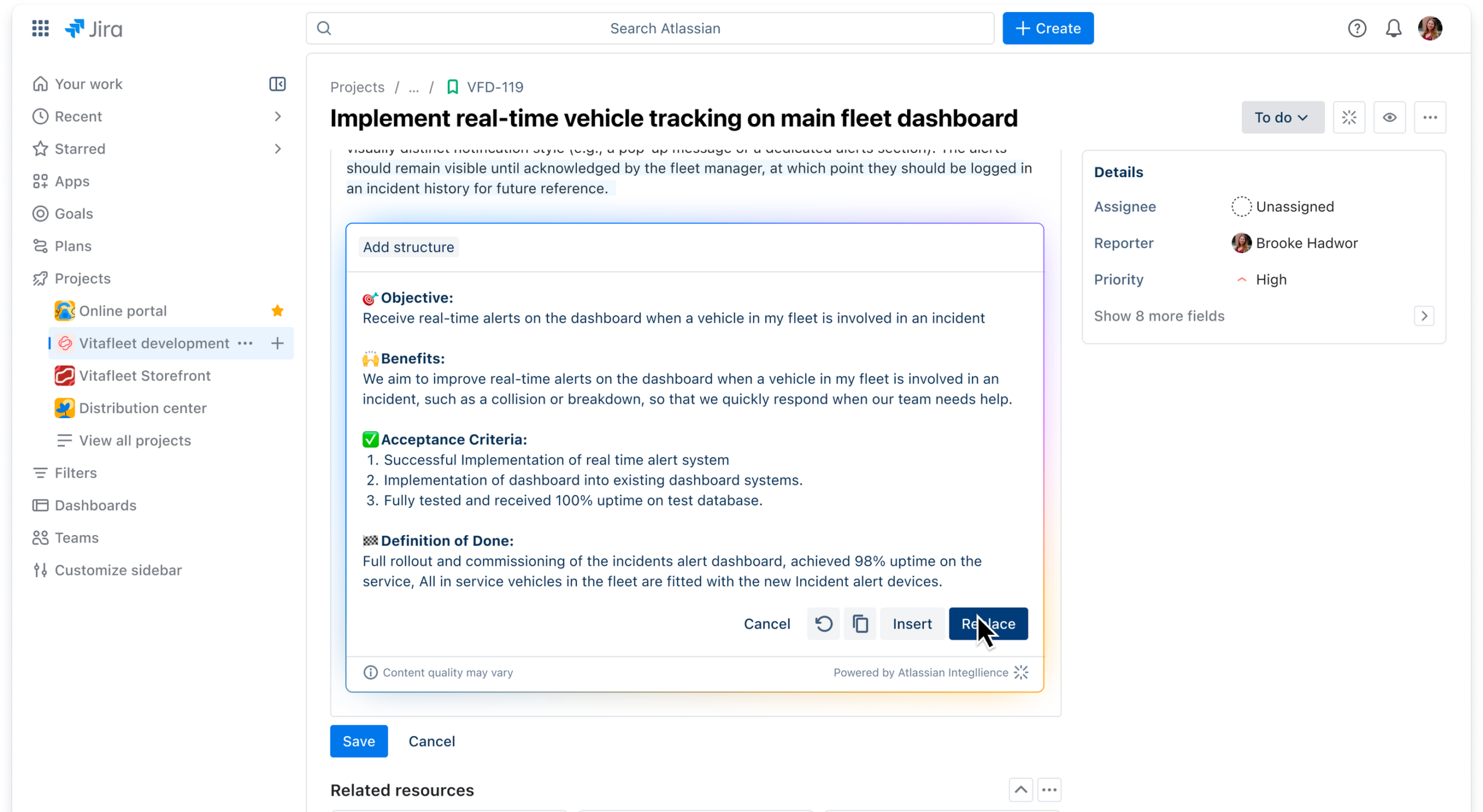
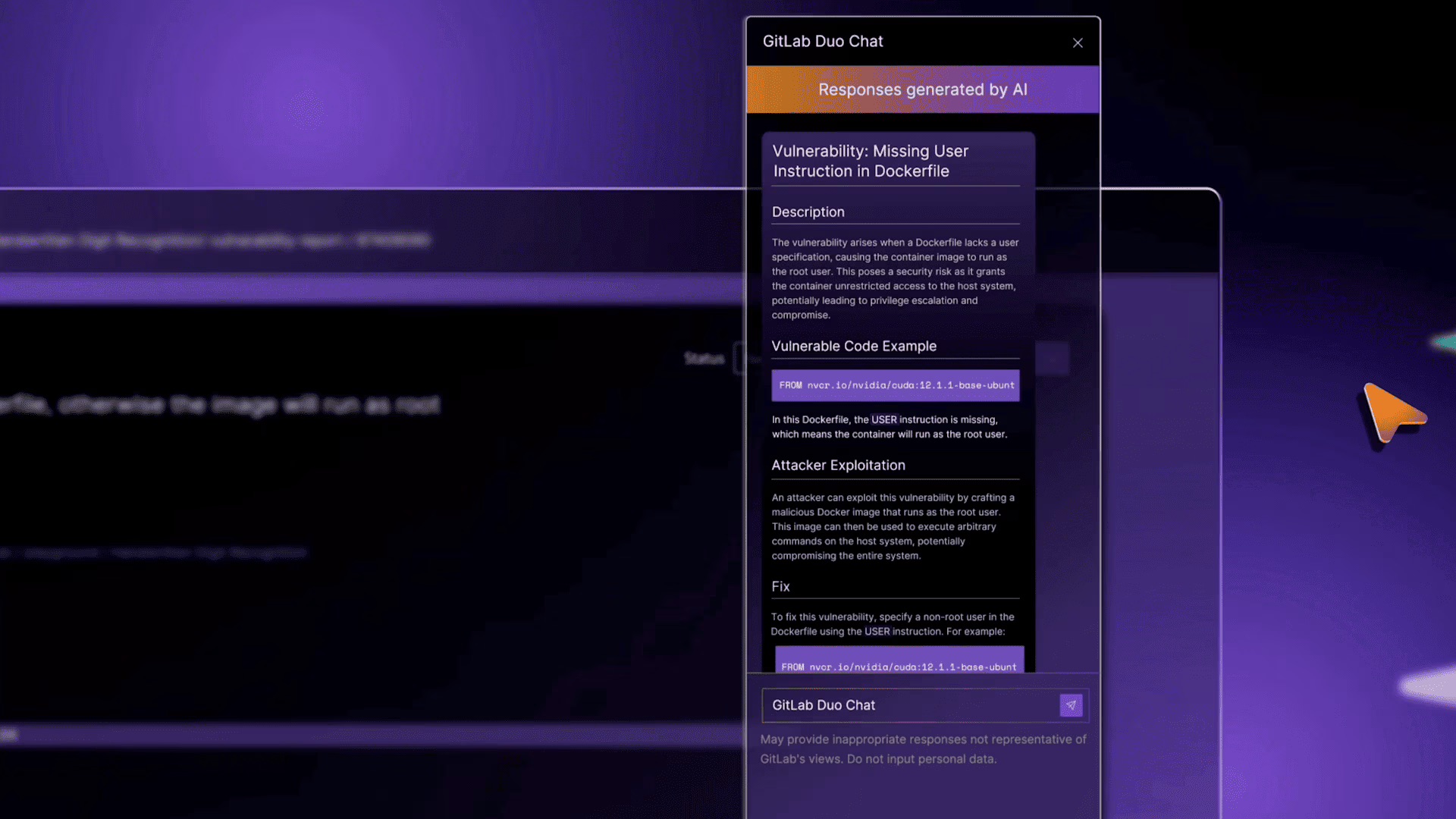
For example, Atlassian’s AI features in Jira and Confluence can save hours of manual effort. This is value that justifies higher-tier pricing. GitLab’s AI-powered code completion and security scanning via GitLab Duo deliver measurable productivity gains, shifting pricing discussions toward ROI, not seats. PTC’s will have new AI-assisted design features in Creo and predictive maintenance in Windchill that will turn traditional license costs into operational savings.
The key is to price for intelligence, not just access.
5. Turn Your Existing Customer Data into a Revenue Engine
Use AI to systematically analyze your existing customer and product usage data to identify where revenue growth is already hiding. Then act on it with targeted offers, features, or services. We discuss this in our AI Launchpad Service for clients and often find that they don’t have the technical expertise to connect these systems, which is where true revenue opportunities lie.
How it drives growth (practically):
- Spot expansion opportunities: Use AI to analyze customer behavior, support tickets, feature usage, and renewal data to predict who is most likely to buy more (upsell, cross-sell, premium tiers).
- Prioritize product roadmap: Identify which features correlate most strongly with retention, expansion, or deal size—so you invest engineering time where it directly impacts revenue.
- Personalize go-to-market: Generate AI-driven customer segments and tailor messaging, demos, and offers to each segment instead of one-size-fits-all marketing.
- Shorten sales cycles: Equip sales teams with AI-generated insights (e.g., “this account behaves like customers who upgraded within 90 days”) so conversations are value-led and timely.

Why this works:
Most companies already have the data, but not the insight. AI converts historical data into forward-looking growth signals, allowing you to grow revenue faster without increasing headcount or burning roadmap capacity. The outcomes companies get from this practice are higher expansion revenue, smaller product investment needed in order to expand, and a more predictable growth expectation, given the trends that AI can find.
6. Use AI to Strengthen Distribution
Your distribution strategy is now powered by intelligence. Growth leaders use AI to personalize content, forecast demand, and identify the highest-impact channels.
In marketing teams using Confluence with Rovo AI, campaign retrospectives automatically surface best-performing assets. GitLab pipelines connected to analytics tools help DevRel teams measure which integrations or APIs drive the most usage. Product teams can even leverage data from Codebeamer to see how feature adoption maps to regional sales outcomes. The future of distribution is data-driven storytelling, delivered faster by AI.
7. Align Growth Around Data and the Digital Thread
In 2026, growth isn’t linear. It’s interconnected. The enterprises that thrive have built a digital thread that ties design, development, operations, and customer feedback together.
PTC is investing in AI for its ecosystem (Windchill, Codebeamer, and Creo) to support better design, traceability, and outcomes across the entire product lifecycle. Atlassian’s Rovo connects data from Jira, Confluence, and dozens of other systems like Google Drive, SharePoint and more for unified visibility. GitLab Duo synthesizes telemetry from CI/CD pipelines to predict where process bottlenecks might emerge.
The takeaway: growth is no longer about scale. It’s about connected intelligence. AI doesn’t replace your teams; it amplifies their reach and insight. Our team has helped companies in this area through our AI Launchpad service, and we’ve learned success around AI-connected systems and building a digital thread that ties these components together.

AI Growth for Product Development in 2026
We’re in 2026 now. This year marks a turning point. The era where AI-native operations become the foundation of growth. Companies that integrate intelligence across Atlassian, GitLab, and PTC ecosystems aren’t just growing faster, but they’re building smarter, more resilient, and more global businesses. At SPK and Associates, we help organizations align their AI strategy, data infrastructure, and tool ecosystems to create connected digital threads that accelerate innovation, ensure compliance, and reduce cost. Contact us today for a free consultation.