



As vehicle programs become more software-intensive, product variants multiply, compliance expectations rise, OEM timelines are not getting any easier. This puts automotive suppliers under immense pressure. Meanwhile, engineering teams are often still working across disconnected systems for requirements, software development, CAD, product data, testing, and change management. That disconnect creates real business risk. It slows down development, increases rework, and decreases traceability. This is why more Tier 1 suppliers are moving toward a unified ALM + PLM digital thread.
By connecting software, hardware, requirements, quality, and manufacturing data in one integrated environment, suppliers can reduce friction across the lifecycle. This leads to better support for the realities of EV, ADAS, and software-defined vehicle development. PTC stands out due to its native integration across Codebeamer, Windchill, and Creo. It creates a connected engineering foundation that spans software, hardware, compliance, and manufacturing. Rather than stitching together multiple tools with custom connectors, automotive teams can work from a shared source of truth from concept through validation, release, and service. Let’s explore how.



Software-Defined Vehicle Complexity and a New Engineering Model
Modern vehicles are no longer defined primarily by mechanical systems. They are increasingly shaped by software, electronics, and continuous updates across a growing network of platforms and variants. For Tier 1 suppliers, that creates a difficult challenge. A single requirement may affect software behavior, ECU logic, mechanical design, validation activities, and downstream manufacturing processes. If those relationships are managed in disconnected tools, teams lose visibility into how a change ripples across the product lifecycle.
The result is familiar to many suppliers:
- Duplicate requirements and tests across programs
- Variant drift between product lines and model years
- Slower integration cycles between hardware and software teams
- More late-stage defects and design rework
- Manual traceability work for ISO 26262, ASPICE, and cybersecurity reviews
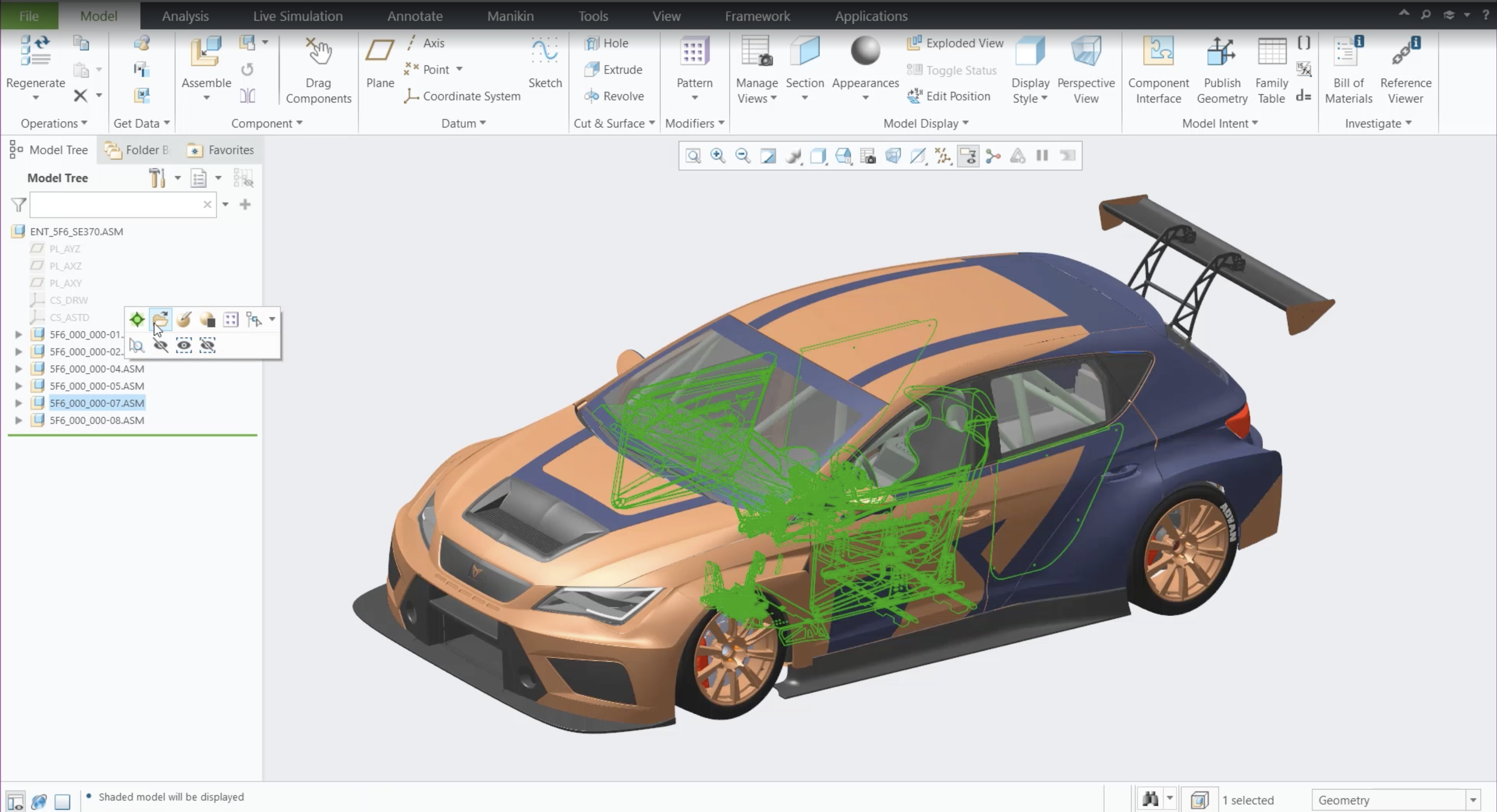
In a software-defined vehicle environment, disconnected engineering data is no longer just inefficient. It becomes a direct threat to program execution, quality, and margin. That is why unified engineering data matters. When ALM, PLM, and CAD are connected, teams gain end-to-end visibility across mechanical, electrical, and software domains. Requirements stay linked to designs, tests, risks, change records, and product configurations. That gives engineering leaders the structure they need to manage complexity without slowing innovation.
Why PTC’s Integration Model Stands Apart
Many vendors talk about integration, but not all integration is created equal. In many competitive environments, connecting ALM, PLM, and CAD often requires extra modules, custom scripting, third-party connectors, or ongoing middleware maintenance. These things can technically link systems, but they do not always create a truly unified digital thread. Instead, organizations may end up with several tools that pass data back and forth while still operating in silos.
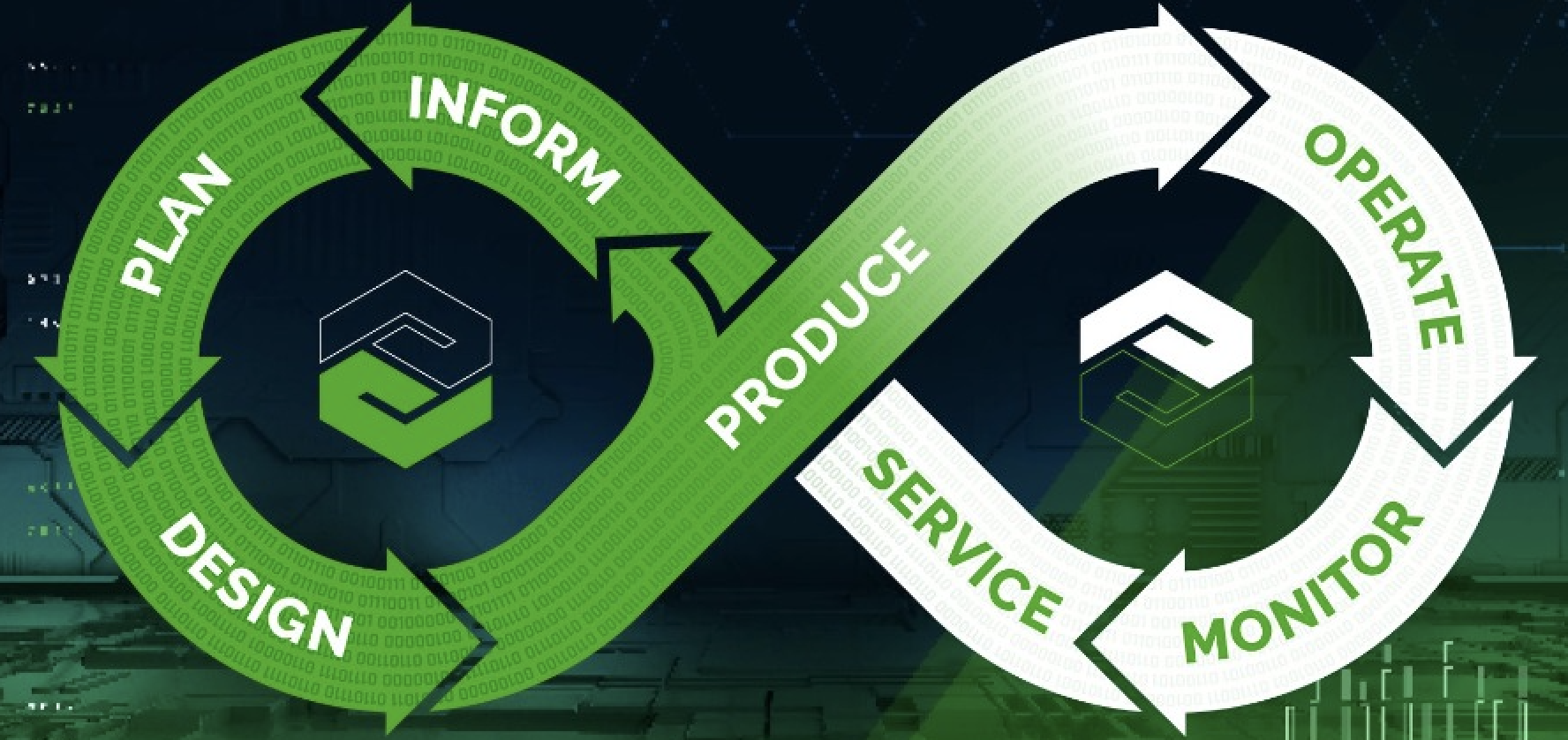
This matters in automotive, where traceability must be continuous, cross-functional, and audit-ready. PTC’s approach is different. Codebeamer, Windchill, and Creo are designed to work together as a native engineering backbone. This gives Tier 1 suppliers a direct path to a connected digital thread that spans:
- Requirements and software lifecycle management in Codebeamer
- Product structures, BOMs, CAD data, and change processes in Windchill
- Mechanical design and engineering execution in Creo
This is a major differentiator compared with approaches that depend on stitching together separate systems. While other ecosystems may require more customization to bridge software, product, and design data, PTC enables a more unified model from the start. For automotive suppliers, that means less time spent integrating tools and more time improving the product lifecycle itself.
How Codebeamer, Windchill, & Creo Deliver a Unified Digital Thread
What makes PTC especially compelling for Tier 1 suppliers is not just that it supports ALM and PLM. It is that the company connects ALM, PLM, and CAD in a way that supports the full engineering lifecycle.
Hardware and Software Stay Aligned
PLM tools traditionally manage parts, models, documents, and product structures while ALM platforms manage software requirements, testing, risks, and releases. In automotive development, both matter equally. With Codebeamer and Windchill connected, software requirements and validation activities can be linked directly to physical product definitions, configurations, and engineering changes. Add Creo into that environment, and the mechanical design layer becomes part of the same connected thread. That matters when one requirement touches multiple domains. Teams can see how a change affects software artifacts, CAD structures, BOMs, tests, and downstream release decisions.

Compliance Becomes Part of the Lifecycle
A huge part of Automotive engineering is staying in compliance, and automotive compliance cannot be treated as a separate entity. Standards such as ISO 26262, ASPICE, and cybersecurity frameworks require structured, traceable evidence throughout development. A unified PTC environment helps teams move compliance from reactive to continuous. Requirements, risk items, tests, approvals, and change records stay linked as work progresses. That reduces manual audit prep and makes it easier to demonstrate traceability across the lifecycle.

Manufacturing and Service with the Same Product Foundation
As mentioned before, a digital thread should not stop at engineering. As product data moves through manufacturing, service, and quality workflows, it should continue to support decisions downstream. Windchill helps extend engineering data into manufacturing process planning, work instructions, quality specifications, and service documentation. This makes the digital thread more valuable because the same connected product data can support the full lifecycle, not just product design.


The Benefits for Automotive Tier 1 Suppliers
A unified ALM + PLM digital thread creates measurable advantages for Tier 1 suppliers trying to compete in a software-defined automotive market. It results in the following.
Reduced Rework
Disconnected tools often force teams to recreate requirements, duplicate tests, or manage separate change processes across domains. Unified systems reduce that duplication by providing one connected view of product data and lifecycle context. When engineering teams work from the same source of truth, changes can be evaluated once with broader visibility. That helps prevent redundant reviews, inconsistent updates, and expensive late-stage rework.
Faster Program Execution
When software, hardware, and product data are linked natively, teams spend less time chasing information and more time executing. Hand-off gaps shrink. Dependencies become easier to understand. Variant management becomes more controlled. For Tier 1 suppliers supporting multiple OEM programs, speed matters. It can mean the difference between hitting a launch window and slipping the schedule.
Stronger Traceability
Without a unified digital thread, teams often have to manually stitch together traceability for requirements, risks, tests, and changes. That approach is slow and error-prone. Native ALM, PLM, and CAD integration creates reliable traceability. That helps teams reduce audit stress, respond faster to customer demands, and lower the risk of compliance gaps.
Better Support for EV, ADAS, and Software-Defined Vehicle Programs
Programs involving electrification, advanced driver assistance systems, and software-defined architectures require much tighter alignment between disciplines. The more complex the platform, the more damaging disconnected engineering data becomes. A unified digital thread gives suppliers a foundation for scaling complexity while keeping visibility, governance, and quality intact.
Why Choose PTC for the Automotive Digital Thread
Disconnected engineering tools cannot keep up with the complexity of EV platforms, ADAS functionality, and software-defined vehicle architectures. A unified digital thread resolves this by helping suppliers reduce rework, improve traceability, and lower compliance risk. Using Codebeamer, Windchill, and Creo, PTC offers a native approach that stands apart from competitive environments that rely more heavily on connectors, scripting, or multiple modules to bridge the gaps. If you want to learn more about how PTC’s integrated digital thread accelerates automotive workflows, reach out to our experts.