

Digital engineering is changing how companies design, build, and manufacture complex products. Instead of relying on disconnected documents and manual handoffs, organizations are moving toward digital threads, simulations, and AI-enabled workflows. However, digital engineering cannot succeed without a strong product lifecycle foundation. Teams need connected data throughout the lifecycle. That is why many teams are opting for PTC’s Intelligent Product Lifecycle to help them move faster, boost quality, and improve compliance.
What Is Digital Engineering?
Digital engineering is a model-based approach that uses digital models, connected data, simulations, and computational tools to improve product development. Rather than managing engineering through static documents and disconnected systems, digital engineering creates a continuous flow of information across the product lifecycle.
Key elements include:
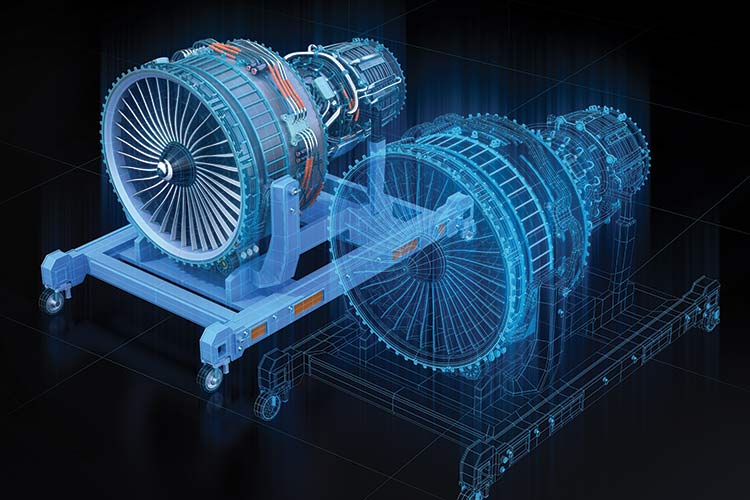
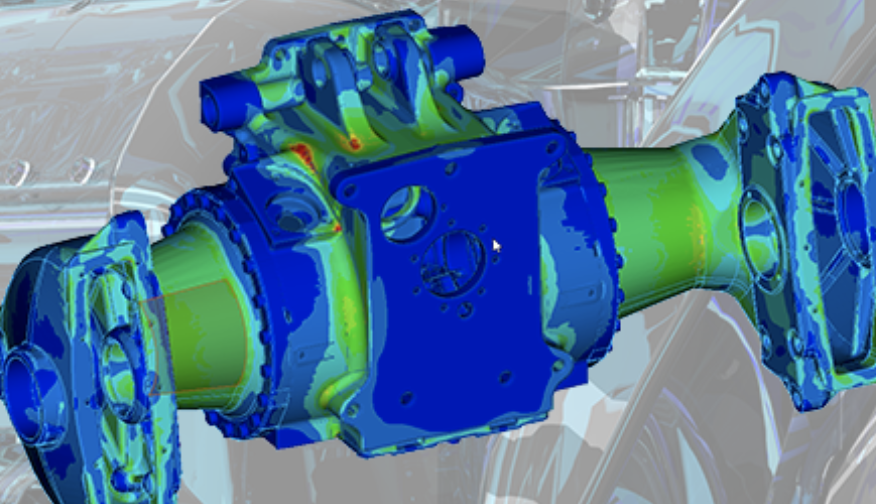
These capabilities help teams test designs virtually, validate requirements earlier, predict performance, and reduce reliance on physical prototypes. This results in faster development, lower costs, improved collaboration, and better product quality.
What Is PTC’s Intelligent Product Lifecycle?
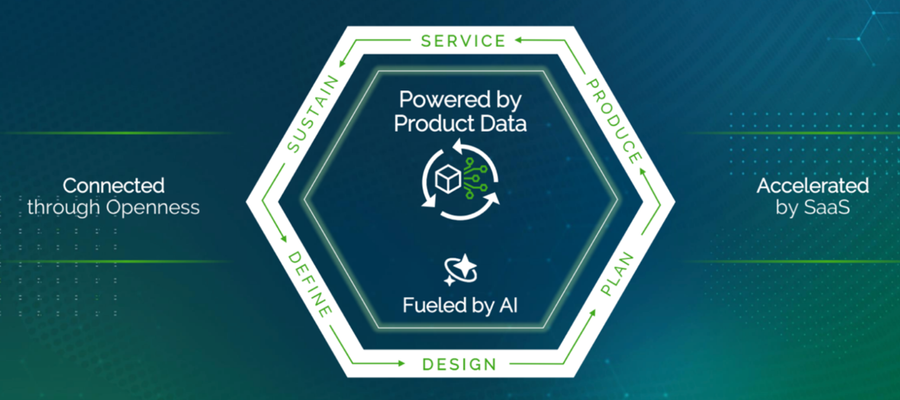
PTC’s Intelligent Product Lifecycle is a framework for connecting the entire product lifecycle through three pillars:
- A unified product data foundation
- Intelligent AI-enabled solutions
- Embedded AI agents that automate and optimize work
A unified product data foundation creates a connected backbone from requirements to service. Intelligent solutions use that data to improve design, compliance, quality, manufacturing, and service processes. Finally, embedded AI agents help teams automate tasks such as requirements analysis, design validation, and manufacturing planning.
In addition to these three pillars, PTC’s approach is powered by SaaS and open integration. Cloud-based platforms support scalability, faster deployments, stronger security, and global collaboration. Open integrations connect lifecycle data with systems such as ERP, MES, QMS, CRM, CPQ, and MRO. Together, these capabilities create the digital thread required for modern digital engineering.
How the Intelligent Product Lifecycle Supports Digital Engineering
Now that we have established that digital engineering relies on connected, accurate, and actionable product data, let’s explore how PTC’s Intelligent Product Lifecycle supports this across the lifecycle.
In design and engineering:
AI-powered design and validation agents can recommend improvements, support simulations earlier, and identify risks before they create downstream problems.
In requirements and compliance:
System and requirements agents can improve traceability, suggest better test cases, and help align hardware and software requirements.
In manufacturing and supply chain:
Intelligent planning tools can predict constraints, improve supplier collaboration, and reduce delays caused by disconnected systems. Configuration and change management also become more effective. AI-enabled agents can support impact analysis across BOMs, requirements, systems, and variants. This helps teams understand how changes affect products and stakeholders.
In service:
AI can support predictive spare parts planning, optimized scheduling, and feedback loops that improve future product designs.
This is what makes the Intelligent Product Lifecycle a foundation for digital engineering. It connects data, decisions, and teams across the entire lifecycle. Let’s next dive into some examples of how this works for industries.
Automotive: Managing Software-Defined Vehicle Complexity
Automotive companies are facing rising complexity from software-defined vehicles, electrification, and stricter safety, cybersecurity, and regulatory demands. OEMs and Tier 1 suppliers must innovate faster while controlling costs and maintaining quality. The Intelligent Product Lifecycle helps automotive teams manage this complexity by connecting requirements, variants, tests, traceability, and change management.

This is especially important for ADAS and autonomous vehicle development, where teams must link software, hardware, validation, safety engineering, homologation, and supplier data. Instead of relying on manual handoffs, automotive teams can use connected lifecycle data to understand how requirement changes affect products, stakeholders, and compliance. This improves traceability, reduces rework, and helps accelerate delivery in an increasingly software-driven market.
Industrial: Improving Efficiency and Innovation
Industrial manufacturers face margin pressure, skilled labor shortages, supply chain disruption, and the shift toward software and service-oriented business models. To compete, they must improve efficiency, reduce costs, and modernize how they develop and support products. PTC’s Intelligent Product Lifecycle helps industrial companies create a unified data foundation across engineering, manufacturing, supply chain, and service. This reduces reliance on disconnected legacy systems and improves collaboration.
One major opportunity is parts rationalization and reuse. By using part and supplier intelligence enriched with standardized attributes, industrial companies can reduce parts proliferation, simplify supply chains, and improve margins. AI-enabled design, manufacturing, and service capabilities also help teams test ideas earlier, align production with design intent, and use field data to improve future products.
Aerospace: Strengthening Quality and Compliance
Aerospace organizations operate in highly complex and regulated environments. They face strict compliance requirements, quality pressures, supply chain disruption, and workforce reskilling needs. The Intelligent Product Lifecycle supports aerospace digital engineering by connecting all data. This includes requirements, design, simulation, manufacturing, quality, supplier, and service data. This single source of truth improves collaboration across long product lifecycles.
Advanced simulation helps engineers guide design decisions earlier and reduce risk before production. Traceability and change management help teams understand how requirements, designs, tests, and compliance evidence are connected. Service and install base data management also helps aerospace companies improve maintenance planning, inventory management, and lifecycle support. For aerospace companies, this connected approach improves quality, audit readiness, and product performance while helping modernize legacy processes.

The Intelligent Product Lifecycle for Digital Engineering
Digital engineering is becoming essential for companies that develop complex products. However, it requires connected data, lifecycle visibility, AI-enabled intelligence, and a digital thread. PTC’s Intelligent Product Lifecycle provides that foundation. It helps organizations across industries move faster, reduce risk, improve quality, and compete in increasingly complex markets. As products become smarter, more connected, and increasingly software-driven, building a digital engineering strategy on a connected, intelligent lifecycle is the best choice for engineering teams. If you would like to achieve success with PTC, reach out to our team.