



spk-logo-white-text-short2
0%
1-888-310-4540 (main) / 1-888-707-6150 (support) info@spkaa.com
Select Page

Configuring a Build Job Using Hudson

Written by SPK Blog Post
Published on July 16, 2013

Last time we had a look at how to acquire and install Hudson, a continuous build and integration system beneficial to software engineering. This week we take a look at how to create and run a job using Hudson, and then look at the job output.
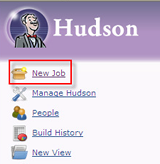
hudson build jobHudson can run a wide variety of jobs; either manually, or by scheduling them. There are also a wide variety of supporting features for such things as source control, email of results, multiple build steps, generated build numbers, and many others. Hudson is very likely to have the combination that will meet your needs for an automated development process. This blog entry just gives the basics on how to set up a job and run it. Once you see that, we will leave the further investigation to you!

We hope that the example presented proves helpful to you. Have a look at our document on how to set up and configure Hudson jobs and read about all the details. And then please post a comment on how useful you found this post to be. Thanks.

Latest White Papers

A Checklist for Reducing Time to Market in Engineering

A Checklist for Reducing Time to Market in Engineering

Product teams all have the same goal: produce high-quality products and reduce time to market. Achieving these goals simultaneously can be difficult, but your team doesn’t have to sacrifice one for the other. Learn how in this eBook.What You Will Learn In this eBook,...

Related Resources

The Hidden Cost of Disconnected Engineering Systems

The Hidden Cost of Disconnected Engineering Systems

Key Takeaways: Disconnected PLM, ALM, DevOps, and quality systems impose a “hidden engineering tax,” turning engineers into human middleware who search for information, reconcile conflicting records, duplicate work, and chase changes by hand. The blog quantifies it...

10 Steps to a Successful Creo Implementation

10 Steps to a Successful Creo Implementation

Key Takeaways Successful Creo implementation starts with a clear plan. Involving engineering, IT, and management early helps align technical requirements with business goals and reduces deployment challenges. Hardware readiness and standardized workflows are...

Why Traceability Is the Foundation of Modern Compliance

Why Traceability Is the Foundation of Modern Compliance

Key Takeaways End-to-end traceability is essential for regulatory compliance. Connecting requirements, risks, tests, changes, and approvals helps organizations maintain accurate compliance records throughout product development. Connected traceability improves audit...