
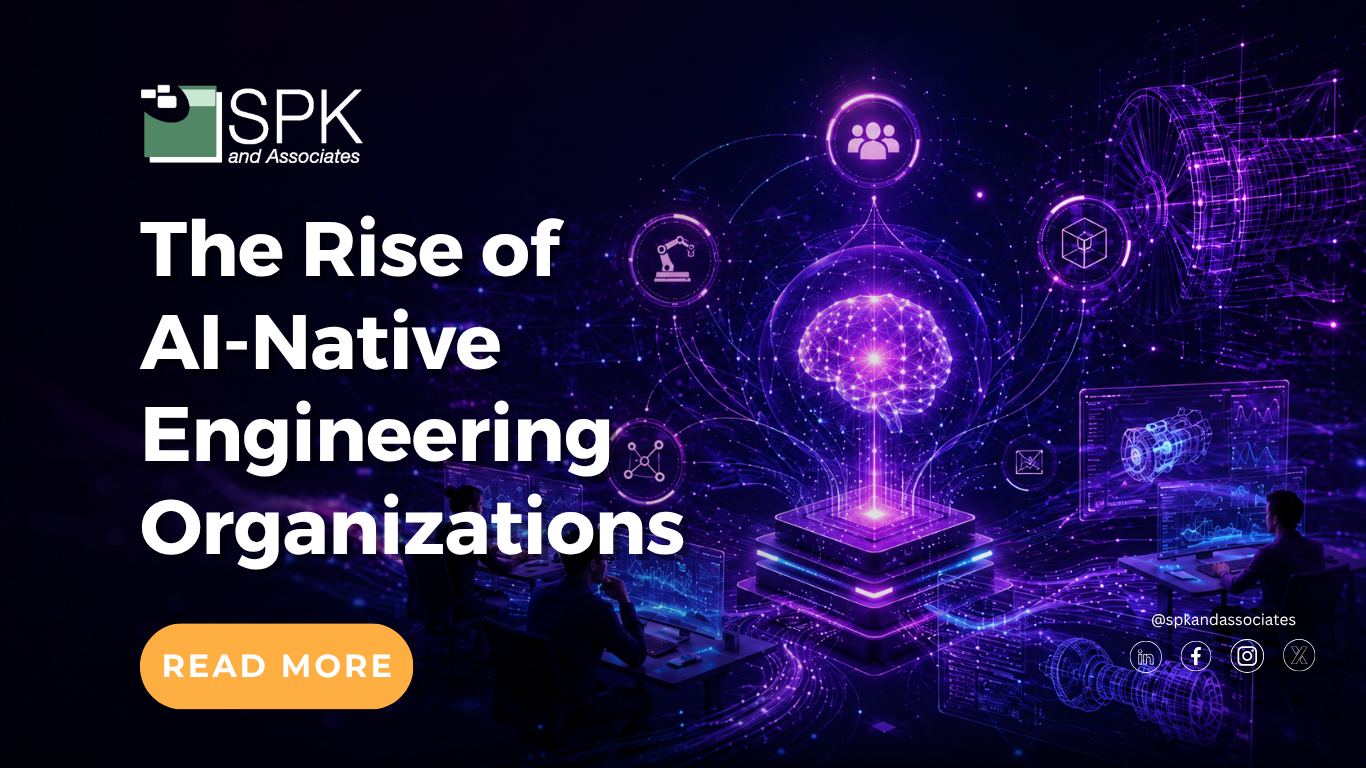

Artificial intelligence is changing more than just a few engineering tasks. It is completely reshaping how engineering organizations manage requirements, testing, compliance, support, and development. For years, digital transformation has focused on adopting specialized tools for each stage of the product lifecycle. While these platforms improved efficiency, teams still spent significant time searching for information, updating records, maintaining traceability, and moving work between systems. AI-native engineering is the next step. In these environments, AI assistants and agents work within engineering platforms to reduce repetitive tasks, surface relevant context, and support better decision-making. The goal is not to replace engineers, but to give them more time to focus on innovation and complex problem-solving.
Moving From Tool-Based to AI-Native Engineering
Traditional engineering organizations are often built around separate tools. Requirements may live in an ALM platform, developers work in DevOps systems, support teams use service management tools, and quality teams maintain compliance documentation elsewhere. In an AI-native organization, intelligent agents help connect these workflows. An agent may clarify a requirement, recommend related test cases, identify a compliance gap, summarize an incident, or locate relevant design history. Instead of simply storing information, engineering platforms begin helping teams interpret and act on it.
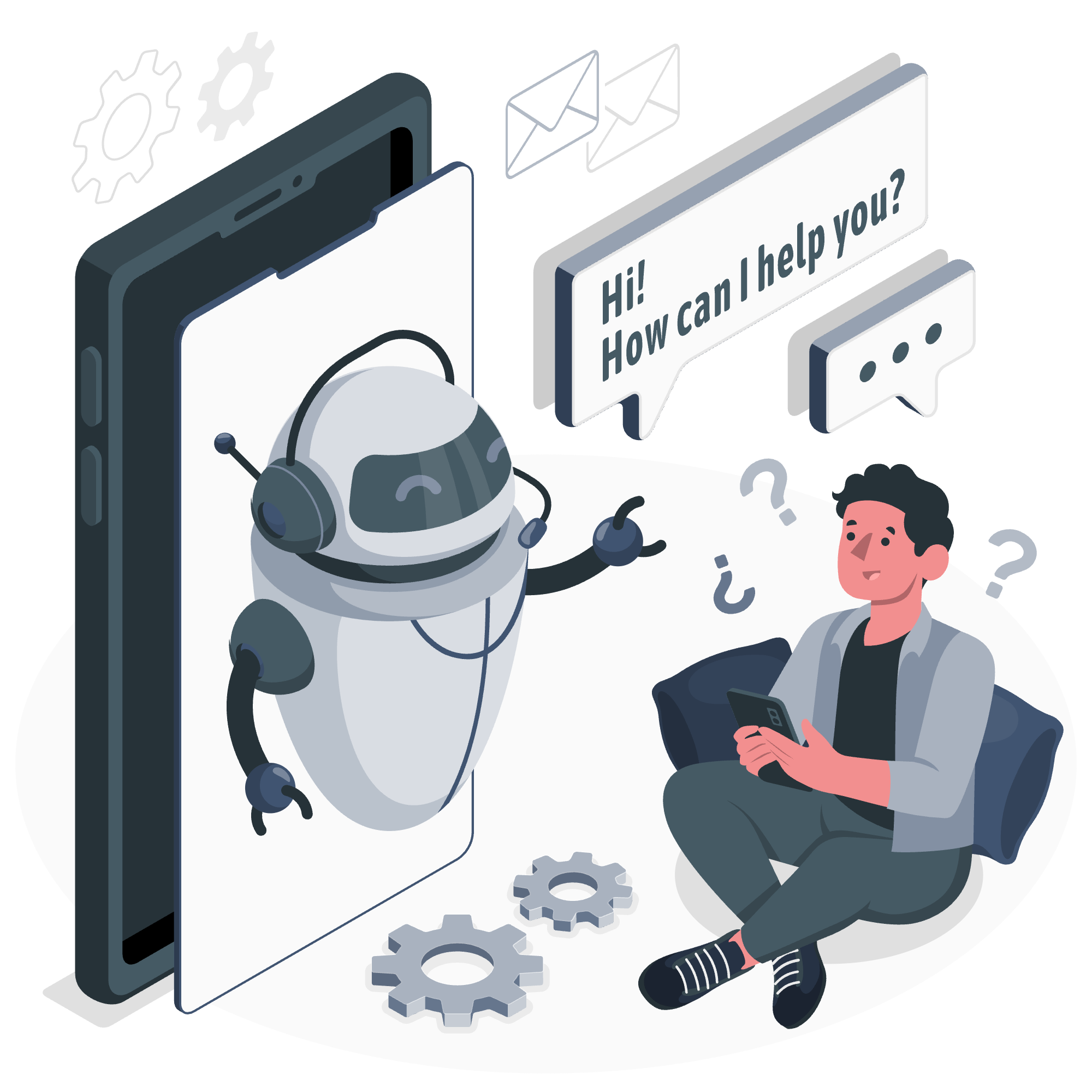
Improving Requirements and Testing With Codebeamer AI
AI capabilities within Codebeamer bring intelligent assistance into application lifecycle management. Codebeamer AI can help teams generate, refine, and clarify requirements using more consistent structures and terminology. AI-assisted authoring can identify ambiguous language, recommend clearer wording, and reduce the back-and-forth that often slows requirements development. Engineers remain responsible for reviewing and approving the final content, but they no longer need to begin every requirement from a blank page.
Furthermore, Codebeamer AI can suggest test cases based on requirements and help maintain relationships between requirements, tests, risks, and other lifecycle artifacts. This reduces manual work, strengthens coverage, and helps teams identify missing trace links earlier. For regulated organizations, AI-driven risk and compliance insights can also highlight inconsistencies, documentation gaps, and potential exposures before they become expensive problems.
Connecting Engineering and Support With Atlassian Rovo
Atlassian’s AI agent, Rovo, combines enterprise search, conversational assistance, and customizable agents across Jira, Jira Service Management, Confluence, Bitbucket, and connected third-party platforms. For self-service support, Rovo can search approved knowledge sources and provide contextual answers, helping employees resolve common questions without submitting a ticket.
During incidents, Rovo can summarize activity, locate similar past issues, identify relevant responders, and surface useful documentation. Support agents can also use it to suggest responses, generate stakeholder updates, and access historical context without switching between multiple tools. For development teams, Rovo can help summarize issues, locate documentation, analyze code, support pull request workflows, and provide recommendations. This reduces the time between receiving an assignment and delivering a completed change.
AI Across the Engineering Lifecycle
AI agents can assist teams throughout the product lifecycle:
- Requirements: Drafting, refining, and identifying ambiguous requirements.
- Testing: Generating test cases, reviewing coverage, and maintaining traceability.
- Compliance: Detecting gaps, supporting audit preparation, and identifying potential risks.
- Support: Summarizing incidents, retrieving knowledge, and preparing communications.
- Development: Reviewing code, generating documentation, and assisting with repetitive tasks.
The greatest value comes when these capabilities work together. For example, a requirement change could help identify affected tests, risks, documentation, and development tasks. AI supports the process, while engineers retain control over decisions and approvals.
Preparing the Organization for AI-Native Engineering
Becoming AI-native requires more than enabling new product features. Organizations need changes across people, processes, and technology. Leaders should establish ownership for AI adoption across engineering, IT, security, quality, and compliance. Teams also need clear rules for reviewing AI-generated content, protecting sensitive data, approving automated actions, and measuring results.
Processes may need to be redesigned so AI is embedded into existing workflows rather than added as another disconnected tool. Organizations should begin with high-value, lower-risk use cases, such as requirements refinement, knowledge search, documentation, test suggestions, and incident summaries. Tooling must also support secure access, reliable integrations, traceability, governance, and human approval. Without these foundations, organizations risk creating more complexity instead of reducing it.
Accelerating Adoption With SPK’s AI Launchpad
SPK’s AI Launchpad helps engineering organizations move from experimentation to practical, governed AI adoption. Our team works with organizations to assess current workflows, identify high-value use cases, evaluate risks, select appropriate tools, and create an adoption roadmap. This may include integrating AI capabilities across platforms such as Codebeamer, Jira, Jira Service Management, Confluence, GitLab, and other engineering systems. The goal is to help organizations introduce AI in a way that supports security, compliance, measurable business value, and long-term scalability.
AI-Native Engineering
AI-native engineering organizations are not defined by how many AI tools they purchase. They are defined by how effectively AI is integrated into everyday engineering work. By applying AI across requirements, testing, compliance, support, and development, organizations can reduce administrative effort, improve consistency, strengthen traceability, and accelerate product delivery. With the right organizational structure, governance, processes, and technology foundation, AI can become a trusted engineering assistant rather than another disconnected tool. Contact our team to explore AI tools and implementation.