

Regulated industries face immense complexity in designing, producing, and maintaining high-quality products. Balancing this while ensuring compliance, managing data, and accelerating innovation is not possible without the proper tools. That’s why Product Lifecycle Management (PLM) systems have become essential. PTC Windchill has proven instrumental in helping companies manage complexity, speed up time-to-market, and stay compliant with rigorous industry standards. Let’s explore the benefits of PLM for product development in regulated industries.
Features of Windchill PLM
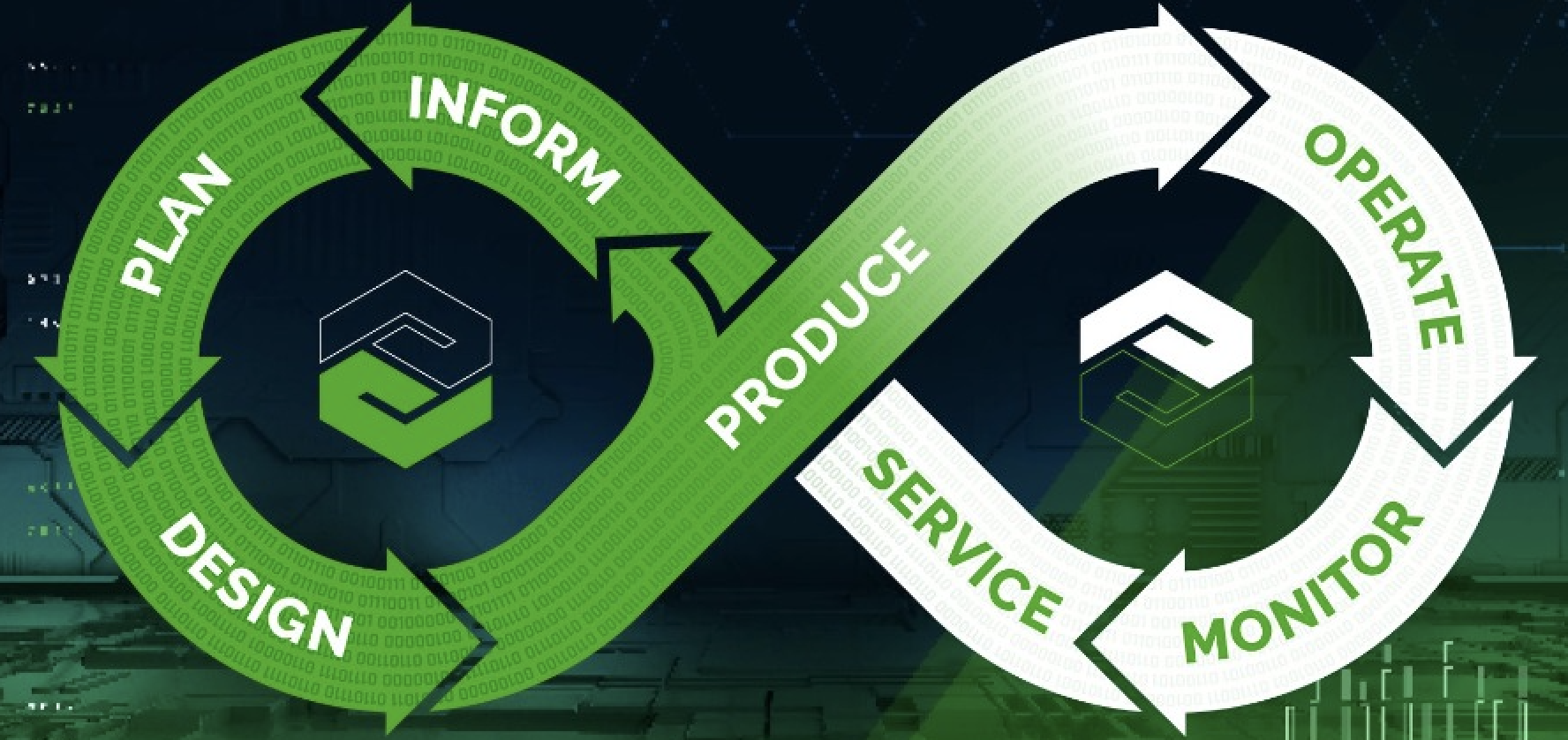
A PLM system is a tool that centralizes and controls every aspect of a product’s lifecycle. This means from concept and design through to manufacturing, service, and eventual end-of-life. PTC Windchill is a modern PLM platform that provides the foundation for managing product data, workflows, and configurations. With its out-of-the-box support for compliance, collaboration, and digital continuity, Windchill enables organizations to establish a single source of truth across global teams. This traceability is especially vital for regulated industries like medical devices and aerospace.


Aerospace & Defense (A&D)
In high-stakes environments like defense, where operational readiness and data integrity are paramount, PLM plays a critical role. It helps unify information, streamline workflows, and support mission-critical programs. For example, the U.S. Navy replaced eight legacy systems with Windchill SaaS to support its Model-Based Product Support (MBPS) strategy. This resulted in improved fleet availability, reduced IT costs, and a connected digital thread across weapon systems. Other aerospace and defense companies can use Windchill to consolidate CAD data and manage part-centric BOMs. This enables millions of documents, parts, and users to be synchronized across hundreds of defense programs for improved sustainment and cost efficiency.
Benefits of PLM for Regulated Industries
The following industries have strict regulatory standards that tools like Windchill can help meet.
Electronics & High Tech
In industries driven by rapid innovation and complex supply chains, PLM enables digital thread visibility and modularity. Tech companies may use Windchill to manage parts governance and lifecycle processes. This reduces redundancy and accelerates digital manufacturing workflows. When Windchill and ThingWorx work together to integrate augmented reality (AR) technologies into operations, organizations can enhance customer service and diagnostic efficiency. Windchill helps create more intelligent, connected support systems.

Mobility & Industrial Manufacturing
As manufacturing becomes increasingly digital, PLM serves as the connective tissue linking design, production, and aftermarket services. A missile manufacturer relies on Windchill to support distributed engineering and model-based design across extended product lifecycles. In addition, it must ensure compliance with stringent security standards. Another company transitioned from legacy CAD drawings to connected BOMs using Windchill. This enabled more efficient engineering collaboration and generated significant annual cost savings.
Life Sciences & Medical Devices
Few sectors are more heavily regulated than life sciences, and PLM plays a vital role in helping companies meet FDA, MDR, and ISO requirements efficiently. When a medication company transitioned from document-centric to part-centric development using Windchill, it enabled full traceability and helped shorten regulatory audit cycles. Meanwhile, a couple of medtech companies unified their global R&D and quality operations with Windchill, generating substantial cost savings.

PLM for Compliance: A Digital Backbone for Regulated Workflows
PLM isn’t just about engineering efficiency, it’s a compliance enabler. Windchill allows organizations to:
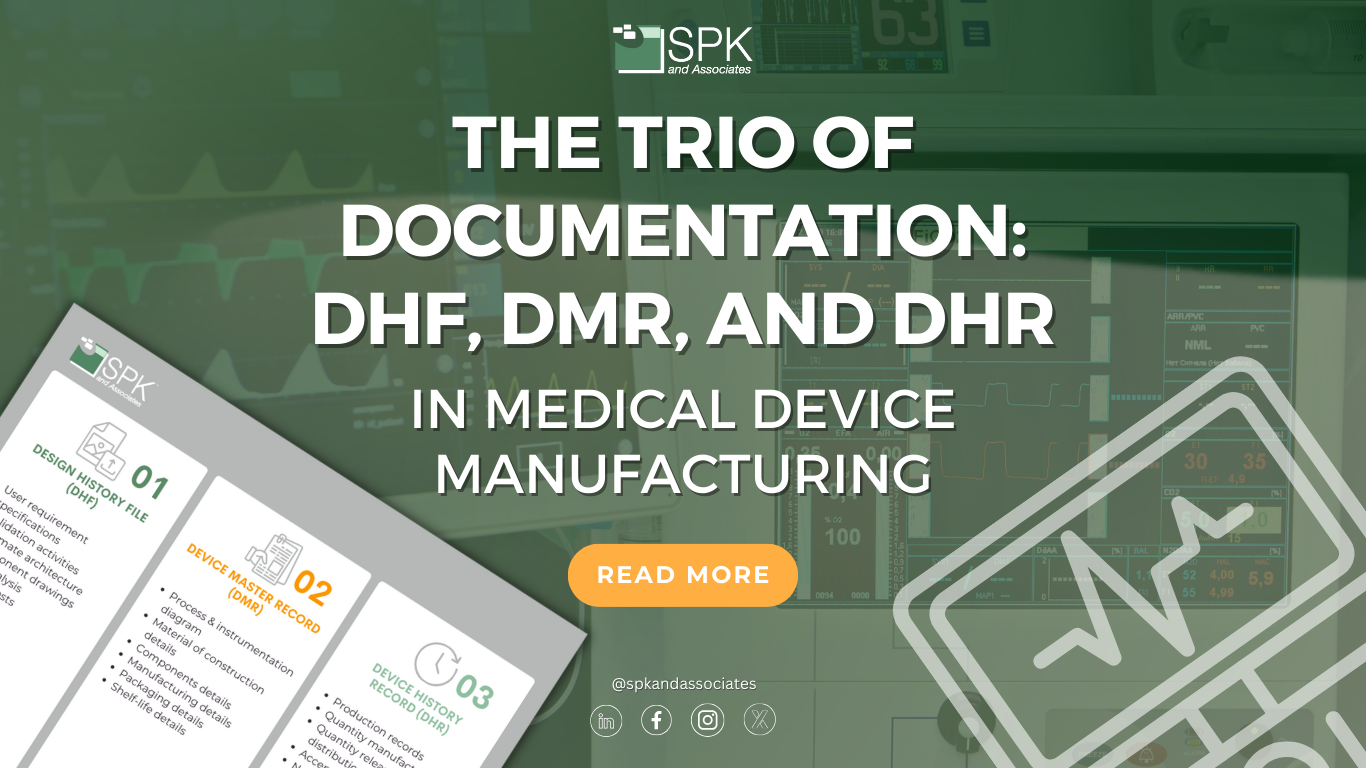
- Enforce design controls and maintain accurate Design History Files (DHFs) and Device Master Records (DMRs).
- Automate audit trails, training workflows, and quality feedback loops.
- Link requirements, risk management, and verification/validation activities in a traceable framework.
- Manage complex configurations and change processes with visibility across all stakeholders.
Whether it’s adhering to FDA 21 CFR Part 11 or ISO 9001, Windchill provides the foundation for quality, traceability, and compliance by design.
Streamlining Compliance with PLM for Regulated Industries
In regulated industries, product development isn’t just about innovation, it’s about precision, accountability, and agility. PTC Windchill stands out as a proven PLM platform that empowers organizations to meet these challenges head-on. From the Navy’s warships to medical devices saving lives, Windchill drives digital transformation by connecting people, processes, and systems with a single source of truth. If you need help selecting or implementing PLM for your organization, contact us for a free Windchill consultation today.