

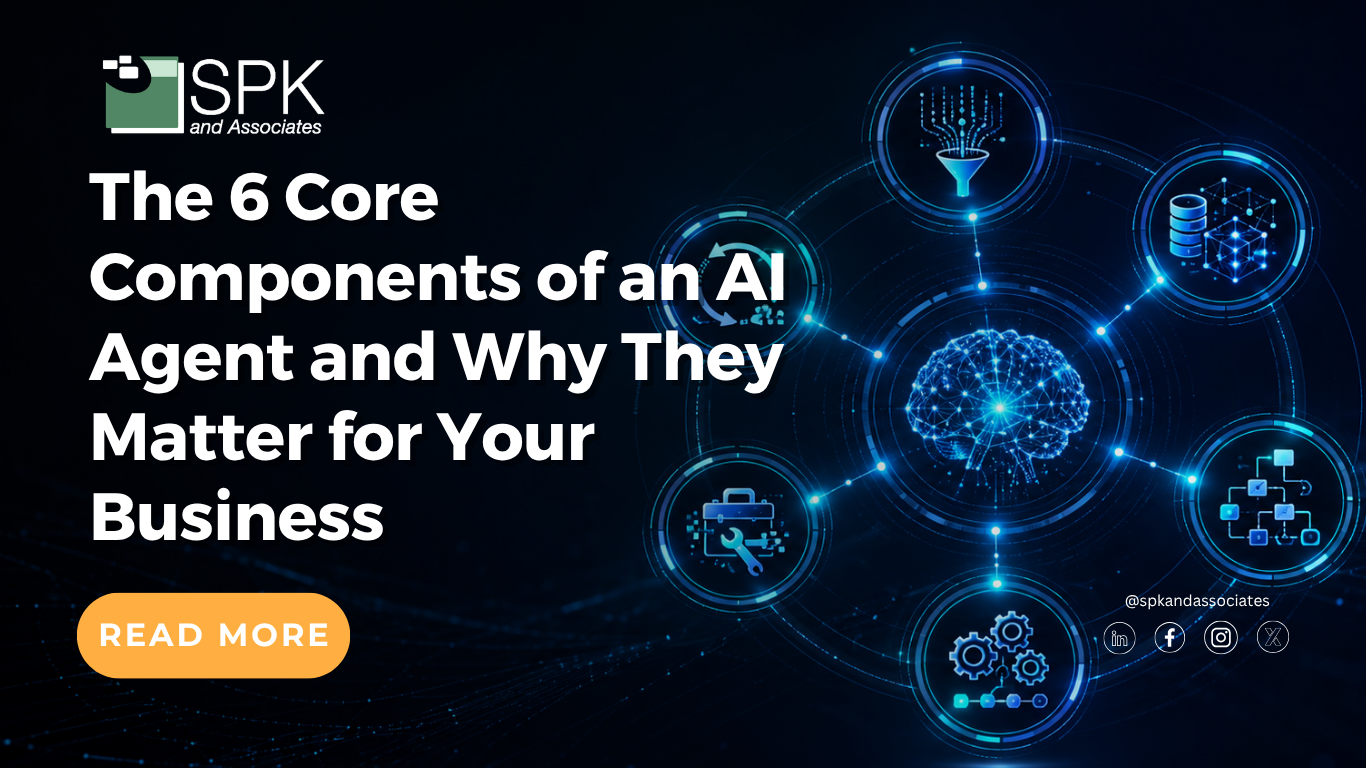
Key Takeaways
- AI agents go beyond generating responses. They can gather context, use tools, take actions, and work through multiple steps toward a defined goal.
- A model provides intelligence, while an agent puts that intelligence to work. Agents combine models with memory, reasoning, tools, instructions, and protocols.
- Memory and reasoning help agents operate with context. Memory preserves relevant information, while reasoning helps agents break larger goals into smaller tasks and decide what to do next.
- Platforms like Atlassian Rovo, GitLab Duo Agent Platform, Microsoft Copilot, and Google Gemini are bringing agents into everyday business and engineering workflows.
- Protocols such as MCP help connect agents to external tools and data sources. This makes it easier for AI systems to work across existing applications instead of relying on a separate custom integration for every connection.
Artificial intelligence has moved beyond tools that simply answer questions or generate content. The next stage is agentic AI, where AI systems can take action. That shift has introduced a lot of new terminology. AI models, agents, tools, and workflows are often discussed together, even though they describe different parts of AI systems. Understanding those differences is becoming increasingly important as organizations begin introducing AI agents into business processes. In simple terms, an AI model provides intelligence. An AI agent surrounds that model with the context, memory, tools, instructions, and connections it needs to accomplish useful work.
What Is an AI Agent?
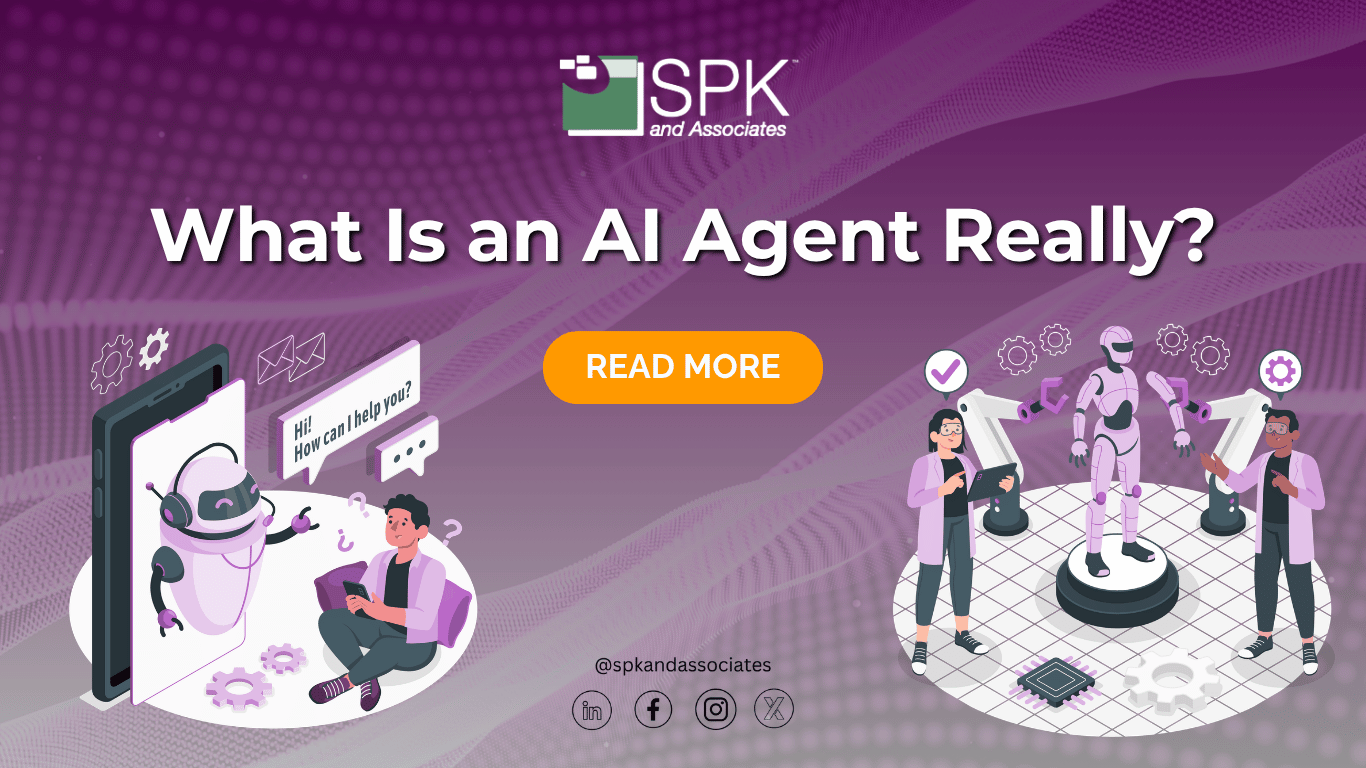
An AI agent is a software system that uses an AI model to pursue a specific goal. Rather than simply responding to a prompt, an agent can determine what steps it needs to take, interact with tools or data sources, observe the results, and decide what to do next.
A traditional chatbot generally follows a straightforward interaction:
User asks a question → AI generates an answer.
An AI agent can operate more like this:
Receive a goal → gather context → reason about the task → select a tool → take an action → review the result → determine the next step.
That process can continue until the agent completes its task or reaches a point where human input is required. This ability to interact with its environment is one of the biggest differences between generative AI and agentic AI.
For example, if you ask a standard AI model to draft a project status report, it would generate text.
An AI agent could go further. Depending on its permissions and integrations, it might search project information in Confluence, review Jira issues, gather data from another business system, summarize the findings, and create the report based on that context.
The agent is not necessarily a new type of AI model, but a larger system built around the model.

AI Model vs. AI Agent
One of the easiest ways to understand AI agents is to separate the model from the agent. Think of the model as the intelligence engine inside the system. A large language model can understand natural language, recognize patterns, analyze information, generate content, and make predictions. However, the model by itself usually does not have independent access to your applications, company data, or business processes. An agent adds those capabilities around the model.
A useful simplified comparison is:
- AI model = the brain
- AI agent = the body
The agent combines the model with other components such as instructions, memory, tools, reasoning, and communication protocols. That distinction matters because organizations do not typically gain business value simply by selecting the most powerful model available. The model also needs access to the right information and tools.
Why Memory Matters for AI Agents
Memory gives an AI agent access to information beyond the immediate prompt. Without memory, every interaction can behave like a new conversation. The system only knows the information available within its current context. With memory, an agent can retain or retrieve information that helps it make better decisions later.
Depending on the platform and architecture, that could include previous conversations, user preferences, project information, documents, historical decisions, previous agent actions, or information retrieved from enterprise systems. Memory can therefore help an agent maintain continuity across a workflow.
ITSM Example
Imagine an AI service management agent handling an ongoing incident. Rather than starting from scratch every time someone sends another message, the agent could use previous troubleshooting steps, documentation, ticket history, and the current state of the incident as part of its context.
This is particularly important in engineering environments, where decisions rarely exist in isolation. Requirements, design changes, test results, defects, approvals, and release information can all affect one another. Memory and context help an agent understand more of that history. They also create governance considerations. Organizations need to decide what information agents can retain, where that information is stored, how long it remains available, and which users or systems are allowed to access it. We explore similar considerations in our discussion of the future of AI-powered service management.
How Reasoning Works in an AI Agent
While memory helps provide context, AI agents also need a way to determine how to approach a goal. This is where planning and reasoning come into the picture.
Consider a request such as: “Review the open security issues for this release and determine which ones could block deployment.”
Completing that request may require several steps. The agent might need to identify the release, retrieve vulnerability information, review severity levels, examine related code or pipeline information, compare the findings with internal policies, and summarize anything that requires attention.
Planning and reasoning allow the agent to divide a larger objective into smaller tasks and determine which tools or information it needs along the way. That does not mean an agent reasons exactly like a person. It means the AI system can evaluate available context and determine an appropriate sequence of actions based on its instructions, tools, and model capabilities. The quality of that process depends heavily on the surrounding system. Better data, well-defined instructions, appropriate permissions, and reliable integrations can all improve the usefulness of agent output.
Examples of AI Agents and Platforms
Many of the major enterprise software platforms are now introducing their own approaches to AI agents. Rather than existing as completely separate AI applications, these agents are increasingly embedded directly into the platforms where teams already work.
Atlassian Rovo Agents
Atlassian Rovo brings AI capabilities into the Atlassian ecosystem. Rovo can use organizational context from Atlassian’s Teamwork Graph and connected information sources to find knowledge, answer questions, and help users perform tasks.
This makes Rovo particularly relevant for organizations already working in Jira, Confluence, Jira Service Management, and other Atlassian products. Instead of searching through several applications manually, a user can interact with an agent that has access to the appropriate organizational context. For a deeper look at how that context works, see SPK’s guide to Atlassian’s Teamwork Graph and AI-powered productivity.
GitLab Duo Agent Platform
The GitLab Duo Agent Platform brings agentic AI directly into the software development lifecycle. Rather than limiting AI to code generation, GitLab’s approach allows organizations to create and orchestrate agents that can work across software development activities.
For development teams, that can connect AI with code, issues, pipelines, security information, deployment processes, and other parts of the DevSecOps lifecycle. This moves AI closer to the actual engineering workflow instead of keeping it in a separate chat window. SPK also explores the broader implications of this change in our article on the agentic engineering shift at GitLab.

Microsoft Copilot Agents
Microsoft is building agents across its Microsoft 365 and Dynamics ecosystems. Organizations can also use Microsoft Copilot Studio to create agents for specific business processes. An agent could potentially work with enterprise information, automate portions of a workflow, assist users with routine tasks, or coordinate actions across Microsoft applications. Within Dynamics 365, for example, Microsoft has introduced agents designed to support business processes within ERP environments.
Google Gemini Enterprise Agent Platform
Google Cloud also provides infrastructure for organizations developing AI applications and agents through the Gemini Enterprise Agent Platform. The platform provides access to models and supporting infrastructure that organizations can use when developing custom AI applications. This highlights another important point about AI agents: businesses do not have to use the same model for every workflow. Different models may make sense depending on the task, performance requirements, security needs, deployment environment, or cost.
What Are AI Agent Protocols?
Agents have intelligence and memory, but they still need a consistent way to communicate with external systems. That is where AI agent protocols come in. A protocol establishes rules for how AI applications exchange information with tools, data sources, or other systems.
Model Context Protocol
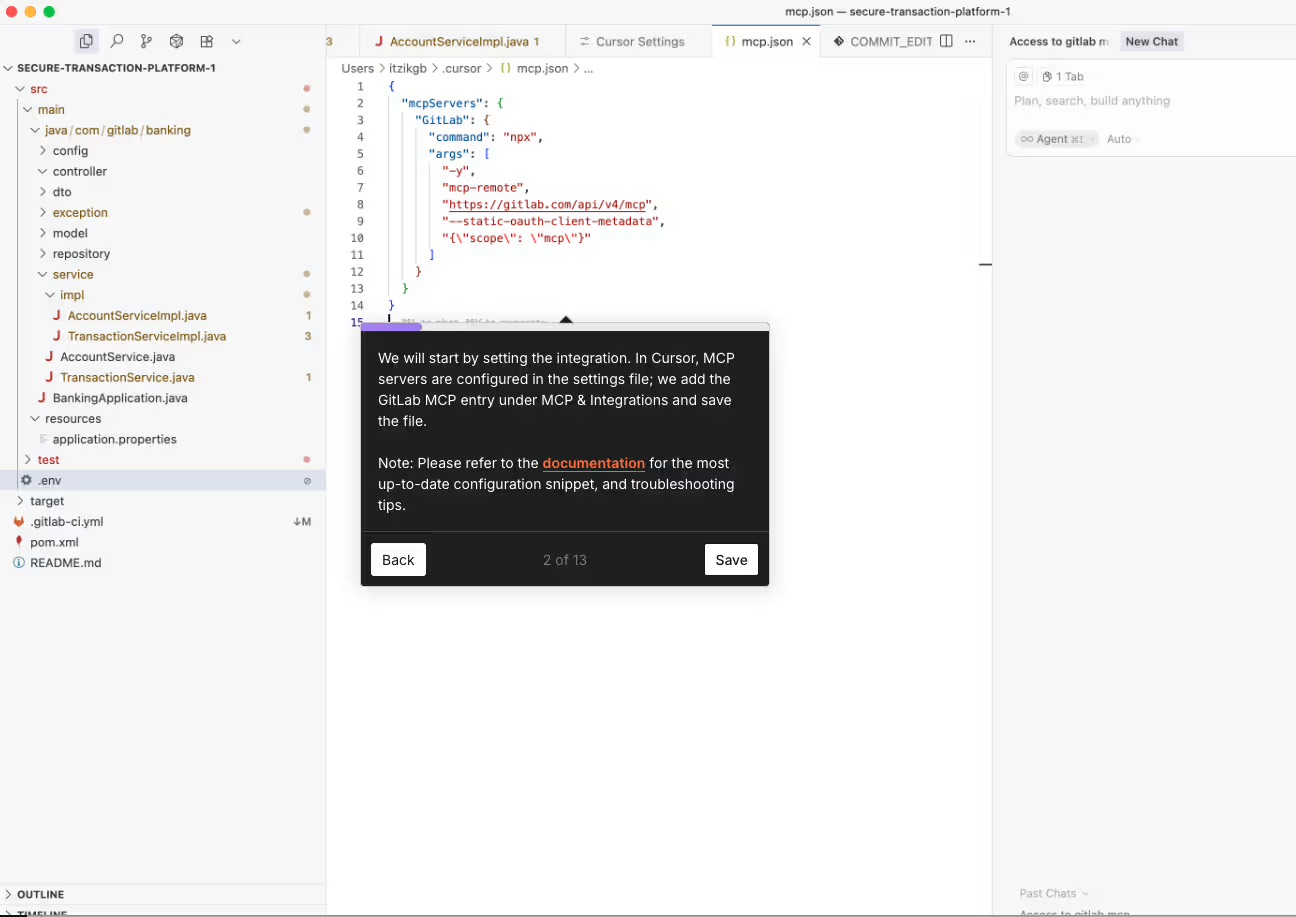
One of the most important examples is the Model Context Protocol, commonly called MCP. MCP is an open standard designed to simplify connections between AI systems and external tools or data. A common analogy is to think of MCP as USB-C for AI. Before a common protocol exists, every combination of AI application and external system may require its own custom integration. Connecting several AI applications with several enterprise tools can therefore create a rapidly growing integration problem.
MCP creates a more standardized interface. Instead of teaching every AI application how to communicate independently with every possible system, developers can implement a common protocol through MCP clients and servers.
An MCP server can expose capabilities such as:
- Tools the AI can call
- Resources the AI can access
- Data the AI can retrieve
- Reusable prompts or instructions
The AI application can then use those capabilities while working through a task. For organizations operating complex engineering environments, this could eventually make it easier to connect AI assistants and agents with the systems engineers already depend on. GitLab and other technology providers are adopting MCP as part of the broader move toward connected agent ecosystems.
Why Protocols Matter
Protocols may sound like a developer-level concern, but they can have a significant business impact. Without standardization, every AI deployment can turn into another custom integration project. Imagine an organization running several AI applications alongside Jira, GitLab, PLM software, a CRM, Microsoft 365, cloud storage, and internal databases. Building and maintaining a separate connector for every relationship quickly becomes difficult. Common protocols can reduce that duplication.
They can also help establish clearer boundaries around how agents interact with external systems. Authentication, permissions, logging, and tool availability can be managed as part of the connection rather than buried inside an individual AI prompt. That becomes increasingly important as organizations move from AI systems that only read information to agents that can take action.
How AI Agents Integrate Into Existing Workflows
The biggest opportunity for agents is integrating AI directly into existing workflows. An engineering organization already has processes for requirements, design, change management, software development, testing, quality, release management, service management, and documentation. Agents can work within those processes rather than forcing employees to leave them.
For example:
- a development agent might monitor a software issue, review related code, examine pipeline results, and help prepare a proposed fix
- a service management agent could review an incoming request, search a knowledge base, retrieve relevant asset information, and route the issue based on the information it finds
- a product development agent might compare a changed software requirement against related system requirements and flag a potential traceability gap for an engineer to investigate
The workflow provides the structure while the tools provide access to systems and the protocol provides the connection. Memory provides context while reasoning helps determine the next action. The model offers the underlying intelligence and the agent brings all of those elements together.
AI Agents Still Need Governance
The ability to act makes governance more important, not less. A chatbot generating an incorrect answer can create problems. An agent that has permission to modify data, trigger workflows, change code, or communicate with other systems can create much larger ones.
Before organizations scale agentic AI, they need clear answers to questions such as:
- What information can the agent access?
- Which actions can it take?
- Which actions require human approval?
- What information can it retain?
- Can users see what the agent changed?
- Are agent actions logged?
- What happens when the agent is uncertain?
- Which systems contain data the agent should never access?
These questions are particularly important for organizations operating in regulated environments. Governance gives organizations the boundaries they need to introduce agents without giving automated systems unrestricted access to sensitive workflows and data.

Unlocking the Productivity of AI Agents
AI agents become easier to understand when you stop thinking about them as a single technology. They are systems made from several connected pieces. This complexity is what turns generative AI from a tool that answers questions into software that can participate in real work. For engineering organizations, these tools can help reduce repetitive work, improve access to product knowledge, strengthen traceability, accelerate software development, and more.
If your organization is exploring where AI agents fit into its engineering or business workflows, SPK and Associates can help evaluate your existing environment, identify practical AI use cases, and connect AI capabilities with the tools and processes your teams already use.