
Key Takeaways
- Late-stage changes get expensive fast: The farther a problem travels through design, testing, and manufacturing, the more time, cost, and rework it creates.
- Disconnected systems and weak traceability are major causes: When requirements, design, software, testing, and quality data are separated, teams struggle to understand the downstream impact of changes.
- Strong change governance reduces disruption: Structured workflows, impact analysis, approvals, notifications, and audit histories help teams make changes faster without losing control.
- A connected digital thread helps surface risks earlier: Linking requirements, CAD, software, validation, quality, and manufacturing data makes it easier to identify affected work before problems become late-stage emergencies.
- Earlier validation improves time, cost, compliance, and quality: Incremental development and stronger cross-functional communication help teams catch problems while they are still easier and less expensive to fix.
Late-stage engineering changes are one of the most expensive and disruptive problems in product development. A requirement changing after validation has started or a design issue being discovered after tooling has been created does not just impact one engineer or one design. The change can ripple across requirements, CAD, software, testing, quality, manufacturing, suppliers, and approvals. This is where the cost of change curve becomes important. The later an issue is discovered in the product lifecycle, the more expensive and time-consuming it generally becomes to correct. A requirement problem that takes minutes or hours to address during planning can require days or weeks of rework once designs, tests, manufacturing processes, and regulatory documentation depend on it.
For engineering organizations trying to accelerate time to market, reducing late-stage changes is less about eliminating change altogether and more about finding problems earlier. Once they are located, it is easier to understand their impact faster and make changes through controlled, connected processes.
Common Causes of Late-Stage Product Changes
Late-stage changes rarely appear out of nowhere. In many cases, they are symptoms of problems that have been developing throughout the engineering lifecycle.
Disconnected Requirements
Requirements are supposed to provide the foundation for product development. However, when they are stored separately from design, software, testing, and quality systems, engineers may not know when something changes. A requirement can be updated without downstream teams understanding which designs, software components, or validation activities are affected. The result is often a product that was built “correctly” according to an outdated understanding of what needed to be built. By the time that discrepancy is discovered, teams must repeat significant amounts of work.
Weak Traceability
Traceability allows teams to follow relationships across the product lifecycle, such as:
Requirement → Design → Implementation → Verification → Validation
Without that visibility, determining the impact of a change becomes much more difficult. Suppose a requirement changes late in development. Engineering leaders need to know which components depend on it, whether software is affected, what tests must be rerun, and whether regulatory documentation needs to change. If those relationships are maintained manually or spread across multiple systems, impact analysis can take days. Even worse, teams may miss something. Strong traceability helps organizations identify the downstream effects of a change before approving it, reducing the likelihood of surprises later.
Poor Change Governance
Not every engineering change should require weeks of approvals, but changes do need a consistent process. When organizations depend on spreadsheets, email threads, meetings, or undocumented approval paths, change management becomes unpredictable.
Teams may struggle to answer basic questions:
- Who approved this change?
- Which teams were notified?
- What products are affected?
- Which documents need updating?
- What testing must be repeated?
- Has manufacturing reviewed the impact?
- Is regulatory approval required?
Without structured change governance, seemingly small engineering decisions can create significant downstream consequences.
Customer Feedback Arrives Too Late
Sometimes the engineering organization executes perfectly against the wrong assumptions. Teams may believe they understand what customers want, only to discover late in the development process that the actual requirement is different. This is why frequent customer and stakeholder feedback is so valuable. Agile and Lean Startup principles encourage organizations to validate assumptions early and incrementally rather than developing an entire product before seeking meaningful feedback. Earlier validation does not eliminate product changes, but it makes changes less disruptive because fewer downstream activities depend on the original decision.

The Impact of Late-Stage Engineering Changes
A late-stage change rarely affects just one part of the product. Even a small component change can trigger updates to CAD models, BOMs, engineering change orders, work instructions, supplier plans, inspection criteria, testing, and regulatory documentation. This domino effect can create several major business impacts.
Longer Time to Market
Late changes force teams to pause planned work for impact analysis, rework, approvals, and retesting. Multiple changes can quickly push schedules back by weeks or months.
Higher Engineering Rework
Engineers spend valuable time revisiting designs, requirements, documentation, and tests instead of focusing on new development. This can make a capacity problem look like a headcount problem when the real issue is excessive rework.
Increased Development Cost
The later a change occurs, the more expensive it becomes. Once prototypes, tooling, suppliers, validation, and documentation are involved, a single change can affect engineering, manufacturing, procurement, quality, and compliance at the same time.
Greater Quality Risk
Changes made under schedule pressure may receive less thorough analysis and testing, increasing the risk of defects, quality escapes, warranty claims, recalls, or customer dissatisfaction.
Regulatory and Compliance Impact
In regulated industries, late changes may also require updates to risk documentation, validation records, traceability matrices, test evidence, and approvals. Without strong traceability, proving that every affected artifact was properly reviewed becomes much more difficult.
How to Avoid Late-Stage Changes
Not every late-stage change can be prevented. Markets change, suppliers disappear, and customers revise their priorities. New technical information may become available or regulatory requirements evolve. With these unavoidable changes, the goal is to build an engineering organization capable of identifying risks earlier and responding to change without creating unnecessary disruption.
Build a Connected Digital Thread
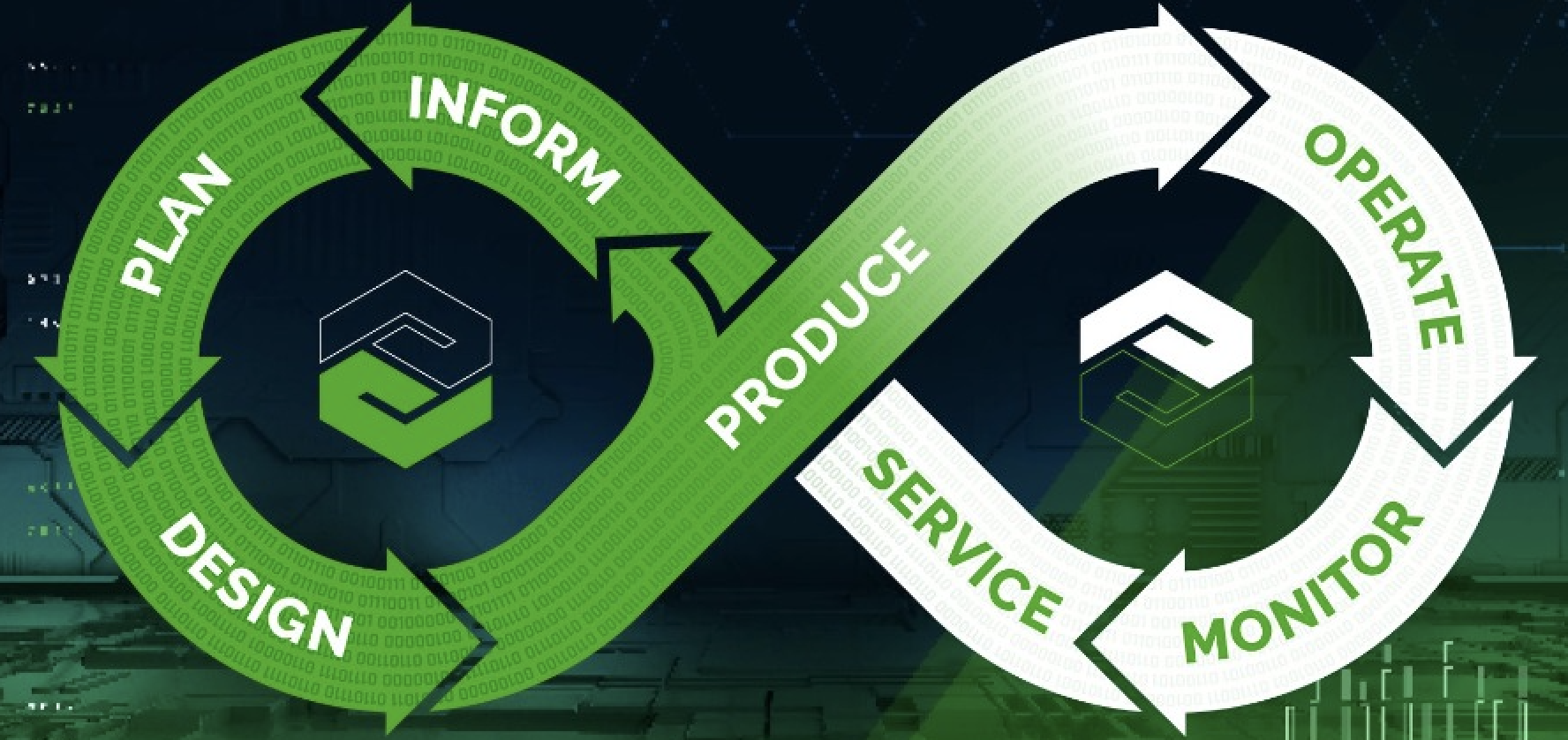
One of the best ways to prevent late-stage changes is by building a digital thread. A digital thread connects engineering information across requirements, design, software, testing, quality, manufacturing, and other lifecycle activities. Instead of treating every engineering system as a separate repository, organizations create relationships between the data. This allows teams to understand how a change in one area affects another. For example, changing a requirement can immediately expose related designs, software work, validation activities, and downstream product records. That visibility enables faster impact analysis and reduces the likelihood that affected work will be overlooked.
Improve Change Management Workflows
Engineering change processes should be structured enough to maintain control without slowing things down. Modern PLM, ALM, and workflow platforms can automate many parts of change management, including:
- Change requests
- Impact analysis
- Reviewer assignments
- Cross-functional approvals
- Notifications
- Documentation updates
- Validation requirements
- Audit histories
Automation helps ensure that the right stakeholders become involved at the right time. It also gives engineering leaders visibility into where a change is stuck and what must happen next.

Adopt More Incremental Development Practices
Large waterfall-style development programs can make late changes especially painful because enormous amounts of work may depend on decisions made months earlier. More incremental development approaches provide opportunities to validate decisions earlier. Teams can develop smaller portions of the product, gather feedback, validate assumptions, and adjust before the entire program depends on them. Modular product architectures can make this even more effective. When systems and components are designed with clear interfaces and boundaries, teams can make targeted changes without redesigning large portions of the product.
Strengthen Cross-Functional Communication
Technology alone will not prevent late-stage changes. Engineering organizations also need strong communication between the people involved in product development. Frequent discussions between engineering disciplines can surface information that never appears in a ticket, spreadsheet, or email. Cross-functional reviews are especially important. Development teams may communicate every day internally while interacting with manufacturing, quality, sales, support, supply chain, or customers much less frequently. That can create a dangerous gap.
Regular cross-functional communication allows teams to identify manufacturability issues, customer concerns, supply chain risks, and quality implications before they turn into late-stage emergencies. These relationships matter when problems do occur as well. Teams that already communicate frequently are better positioned to solve problems collaboratively rather than spending valuable time assigning blame or determining ownership.
Listen to the People Closest to the Work
In addition to strengthening communication, you need to know who to communicate with. Engineers, manufacturing personnel, quality teams, and other frontline contributors often recognize problems before leadership sees them. Organizations should create processes that make it easy for these people to raise concerns and recommend changes. When teams are empowered to identify risks early, they can prevent small issues from becoming major rework later. The individuals working directly with the product often have the clearest view of where designs, processes, or assumptions are likely to fail.

SPK ACEs: Improving Product Development Outcomes
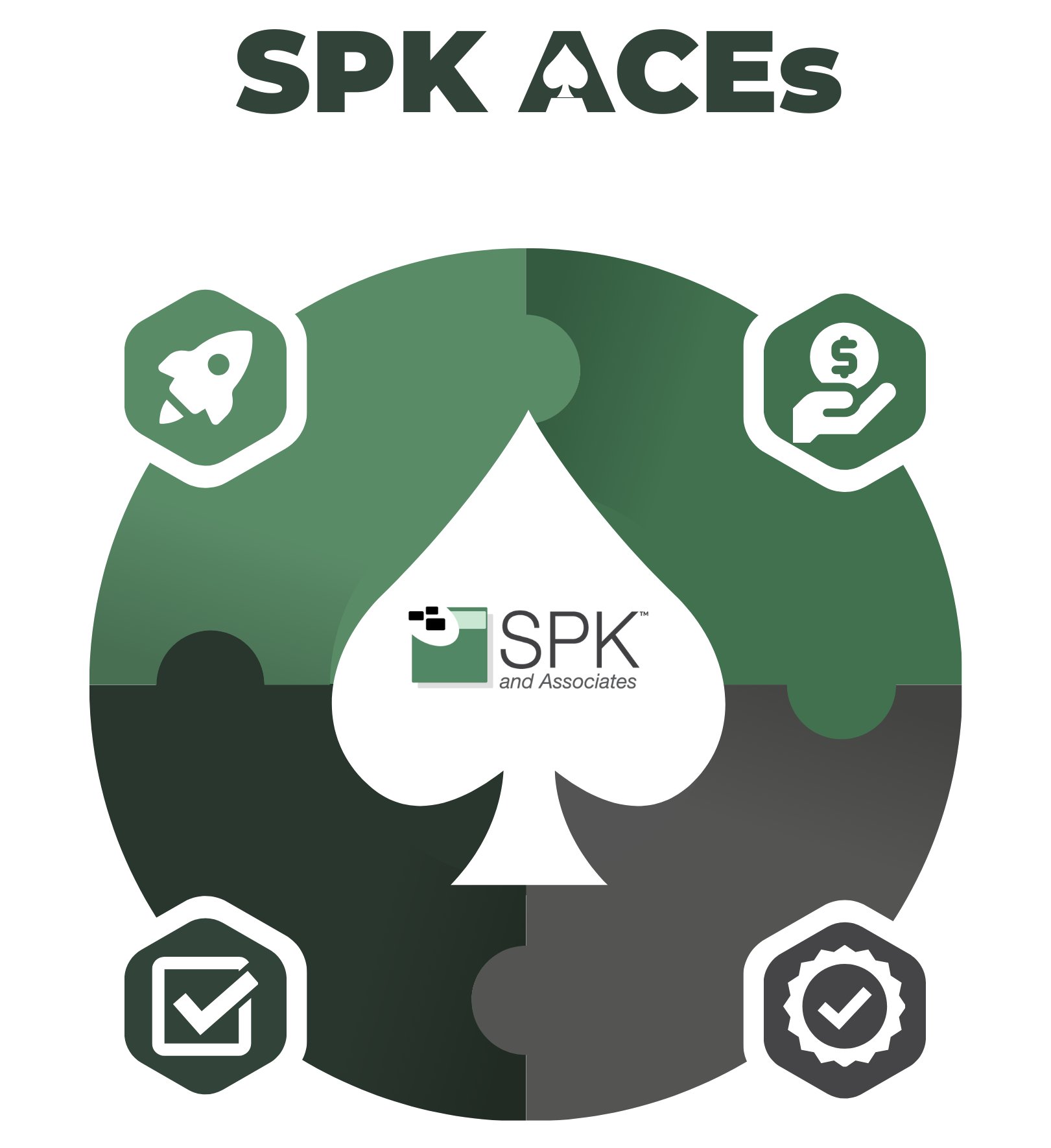
SPK and Associates helps engineering organizations address the systems and processes that cause late-stage product problems. Our approach is centered around four key business outcomes through the SPK ACEs framework:
Accelerated Time to Market
We help organizations connect engineering systems, automate workflows, modernize infrastructure, and improve collaboration so products can move through development with fewer unnecessary delays.
Cost Efficiency
Reducing duplicate work, manual processes, unnecessary infrastructure, and engineering rework can help organizations make better use of existing resources. Catching an issue early is generally far less expensive than correcting it after design, validation, manufacturing, or production activities have already begun.
Ensured Compliance
For regulated organizations, product development must be fast without sacrificing governance. Our experts help teams improve traceability, change control, validation, auditability, and engineering data management so compliance becomes part of the development process rather than a late-stage documentation exercise.
Exceptional Quality
Connected requirements, better visibility, earlier validation, and stronger change management help organizations identify problems before they become production defects or quality escapes. Our team works across engineering environments including PLM, CAD, ALM, DevOps, cloud, data, and AI to create a more connected product development ecosystem.
Rather than focusing on a single engineering tool, we help organizations understand how their systems, processes, and data need to work together to support better product outcomes.
Ready to Catch Engineering Problems Earlier?
Late-stage engineering changes will never disappear completely. However, organizations can control when they discover problems and how effectively they respond to them. A connected digital thread, stronger change governance, and earlier validation move discoveries upstream. Instead of spending engineering capacity correcting problems after they have spread across the lifecycle, teams can identify and resolve them while they are still relatively inexpensive. If you are looking to accelerate time to market, find the problem before it becomes a late-stage change. Need help taking those steps? Reach out to our team to get started.