



Developer experience (DX) is more than just a buzzword. It underpins how fast you can build, how well you deliver, and how happy your engineering team remains. When DX is ignored, you see frustrated developers, siloes, bloated toolchains, and slower innovation. When it’s prioritized, you see motivated engineers, streamlined workflows, and a strong talent-retention advantage. We see it often when clients come to us for help. Below, we’ve created 10 actionable steps that your organization can take to improve developer experience. Whether it’s tools, process, culture, or leadership, these tips can go a long way to improve DX.
1. Audit Your Toolchain and Eliminate Friction
Start by mapping every tool your developers touch. This includes but is not limited to…IDEs, code repos, CI/CD pipelines, issue trackers, service desks, documentation platforms, and chat tools. Ask:
- How many “context switches” happen in a typical task?
- How many different systems must a developer open to move forward?
- Are there manual handoffs, many approvals, or legacy processes slowing things down?
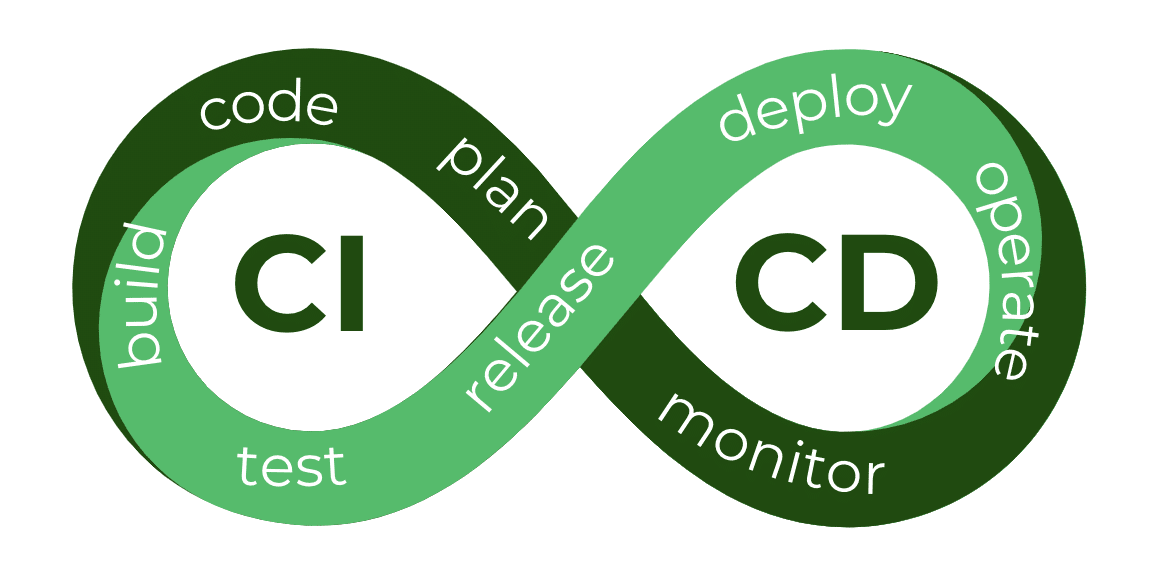
Reduce the number of tools, or at least ensure they integrate well. Fewer platforms and fewer clicks mean less cognitive load. It should be noted that fewer platforms can also mean more integrations so that developers can stay connected. The data every team needs must be integrated with all platforms.
2. Give Developers Context & Visibility
Developers thrive when they know why they’re building something, where it sits in the roadmap, and what impact it has. Provide visibility into:
- Product goals and business outcomes
- Customer feedback that drives features
- Code-to-deployment pipelines and how their work flows through them
When engineering teams feel disconnected from the business side, momentum falters. Whether this is done in Strategic Roadmaps by Tempo (formerly Roadmunk), Jira Product Discovery, Productboard, or something else, these tools provide clarity and visibility into what developers need to know.
3. Standardize Internal Platforms & Self-Service
Building internal developer platforms (IDPs) or self-service portals gives developers autonomy while preserving governance. Standardize:
- Onboarding of new services/environments
- Reusable templates, pipelines, and infrastructure as code
- Security, compliance, and logging
This frees your engineers from reinventing the wheel for every new microservice and lets them focus on delivering value. Learn more about platform engineering strategies in our article here.

4. Optimize Workflow and Remove Manual Tasks
Look for repetitive, manual tasks that pull engineers out of flow. Here are some questions to ask.
- How long does it take for environment provisioning?
- How many tickets do you create in a day/week?
- How many times do you need to get manual approvals?
Then:
- Automate or eliminate tasks where you can
- Leverage bots or agents to handle setup, notifications, routing
- Build pipeline checks that scale, not gatekeepers that slow down delivery
When developers spend less time on “busy-work,” they spend more time coding and innovating.
5. Enable Real-Time Feedback & Iteration
Developers want quick feedback on tests, performance, and usability. Sluggish feedback loops hurt speed, morale, and quality.
- Enable continuous integration with fast test feedback
- Use feature toggles and iterative releases to get early user input
- Surface metrics that matter (deployment frequency, lead time, change failure rate)
Aiming for a better developer experience means shrinking the cycle time between code and insight.
6. Foster a Culture of Ownership & Empowerment
Tooling and automation only go so far. The culture around how engineers work matters just as much. Encourage:
- Engineers owning services end-to-end (including monitoring, production support)
- Product, business, and engineering alignment on what “done” means
- Psychological safety for experimentation and failure
Cultures where developers feel empowered, rather than held back by process, see better retention and velocity.

7. Measure Developer Experience and Remove Blockers
You can’t improve what you don’t measure. Introduce these DX-specific metrics to your teams and track them via the systems that teams use every day, or simple data collection metrics.
- Developer satisfaction or NPS surveys on a monthly or quarterly basis
- Time spent in flow vs. context switching
- Frequency of environment/productivity blockers
- Onboarding times for new engineers
Use dashboards, retrospective feedback sessions, and surveys to spot pain points. Then act to remove them.
8. Build Governance That Scales With Innovation
Governance often gets framed as a drag on innovation. However, when done right, it enables it. Good governance:
- Is automated (policies as code, checks in pipelines)
- Happens upstream (in templates/platforms) rather than as gatekeepers downstream
- Maintains security, compliance, and quality without slowing teams to a crawl
As a report from CIO Drive noted, organizations racing into AI and advanced workflows are hindered by immature data and governance strategies. Similarly, engineering teams must ensure their DX enhancements are secure, compliant, and sustainable.
9. Prioritize Onboarding and Developer Growth
The developer experience begins on day one. A slow or confusing onboarding process undermines morale and retention.
- Build clear onboarding paths: dev environment ready in hours, not days
- Provide training, mentorship, paired work, and knowledge sharing
- Create growth paths and let developers move between product, platform, and infrastructure if they want
When you invest in your developers’ growth, they invest their time and talent back into your company.


10. Continually Innovate & Adapt
Lastly, improving developer experience isn’t a one-and-done project but an ongoing journey.
- Review and iterate your processes quarterly or annually
- Stay current with tooling options – For example, how are you handling AI in your organization and different tools?
- Solicit continuous feedback from engineers: what’s slowing you down today may be gone tomorrow or replaced by new friction
Just as enterprises must update data strategies to keep up with AI, organizations must update their DX strategies to keep up with team expectations and technology shifts.
Ready to Improve DX?
By applying these 10 steps, you’ll create an environment where developers thrive.
- Audit your toolchain
- Give visibility
- Build internal platforms
- Automate manual tasks
- Enable feedback loops
- Foster ownership
- Measure experience
- Scale governance
- Prioritize onboarding
- Iterate
They’ll move faster, deliver higher quality, and feel more connected to the business outcome. In turn, your organization will reap the benefits: stronger retention, faster time-to-value, and a culture of innovation.
Ready to take the next step in improving your developer experience? Contact our team to discuss your platform and how development managers can get the most out of their teams.