

Modern engineering moves too fast for scattered tools and tribal knowledge. A strong Application Lifecycle Management (ALM) platform becomes your team’s operating system, connecting strategy to execution, requirements to releases, and every artifact along the way. The following seven capabilities are the backbone of a complete, end-to-end ALM.
1) Requirements Management
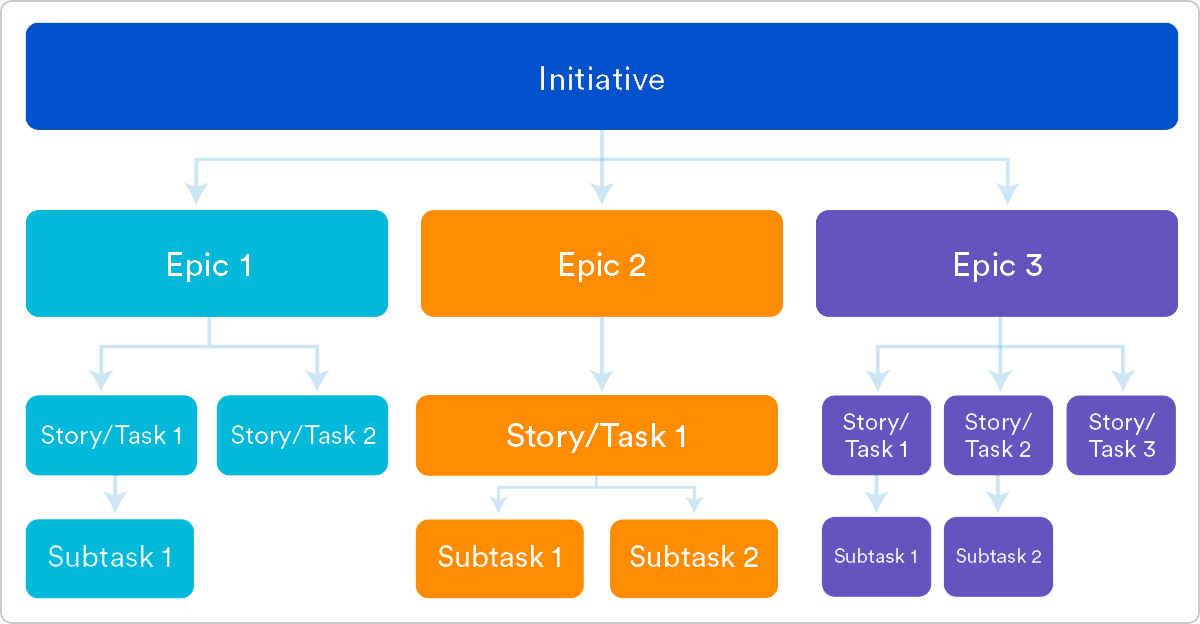
A great ALM starts at the source: clear, connected requirements. Look for rich hierarchies (epics → stories → tasks), quality attributes, and the ability to reuse requirements from a library. Strong requirement-to-task derivation and prioritization keep delivery aligned to intent.
What good looks like
- Reuse via requirement libraries to avoid reinventing the wheel
- Bi-directional links from requirements to tasks, tests, defects, and releases
- Impact analysis: “If this requirement changes, what else breaks?”
Questions to ask vendors
- Can we templatize requirement types and acceptance criteria?
- How do you handle baselines and change history?
2) Collaborative Project Management
Planning isn’t a spreadsheet; it’s a living system. You need Kanban and/or Scrum boards, notifications, comments, activity streams, and permissions tied to your directory (e.g., LDAP/SSO). For some, you may have a requirement to use the Scaled Agile Framework (SAFe). Workflows with guards enforce the process without slowing teams down.
What good looks like
- Custom states and transitions per project, with approvals where needed
- Real-time visibility across teams with role-based access
- In-context collaboration (comments, mentions, attachments) on every artifact
Questions to ask vendors
- Can we define multiple workflows and reuse them by project?
- How granular are permissions (view/edit/approve)?
3) Release Management
Shipping is a capability, not an event. Release management turns a pile of tasks into a coherent versioned outcome, with performance monitoring to learn from each release.
What good looks like
- Backlog and scope tied to a specific release train or cadence
- Clear readiness checks (requirements complete, tests passing, approvals signed)
- Post-release dashboards to analyze cycle time, defects, and regressions
Questions to ask vendors
- How do you model multi-component or multi-team releases?
- Can we visualize release burndown and risk hotspots?
4) IT Operations / DevOps
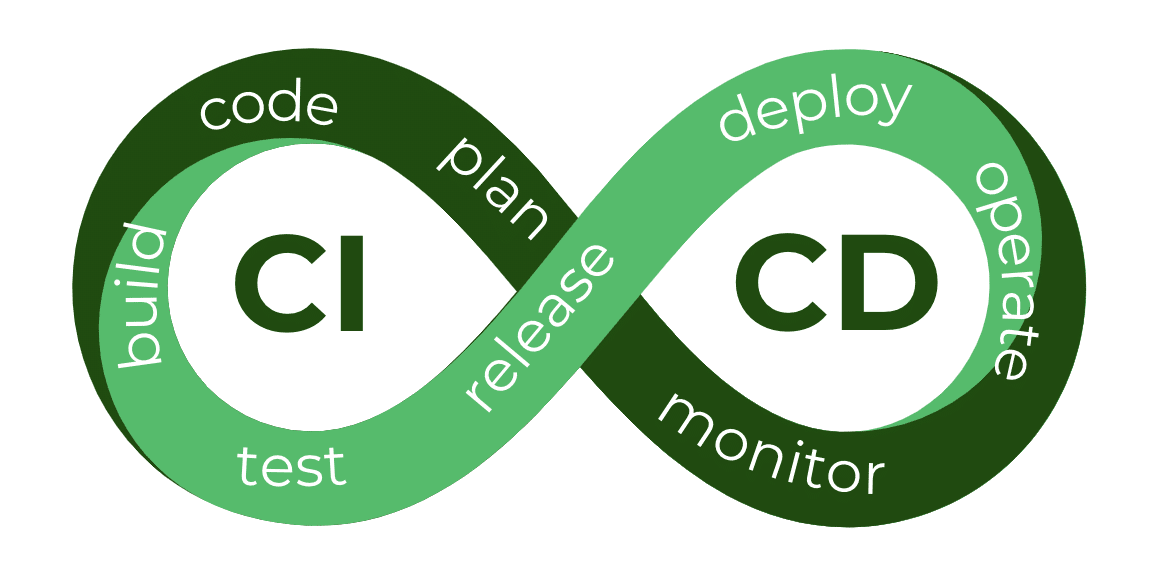
ALM shouldn’t stop at “done.” It needs a feedback loop from production. A built-in service desk for bugs and change requests, escalation workflows, and integrations with CI/CD close the loop between build and run.
What good looks like
- Incidents and change requests link back to code, tests, and requirements
- Standardized escalation paths with SLAs
- Dev→Ops telemetry attached to releases (errors, latency, usage)
Questions to ask vendors
- Do tickets auto-associate to versions and commits?
- Can we expose a customer-facing portal with knowledge base deflection?
5) Modern Software Development
This is the engine room: tasks, defects, change requests, and version control. You want airtight history, seamless GitHub, GitLab, or Bitbucket integration, and complete traceability from commit to requirement.
What good looks like
- Commit messages auto-link to issues and requirements
- Branching, reviews, and merge policies tied to work items
- Full audit trail on every artifact (who, what, when, why)
Questions to ask vendors
- Which version control platforms are supported, and how are links created?
- How do you enforce review quality and approvals?

6) Quality Assurance & Test Management
Quality is designed in, not inspected at the end. Centralize test libraries, map tests to requirements, and integrate with automated test systems (e.g., Jenkins/Hudson) for coverage you can prove.
What good looks like
- Reusable manual and automated test cases with versioning
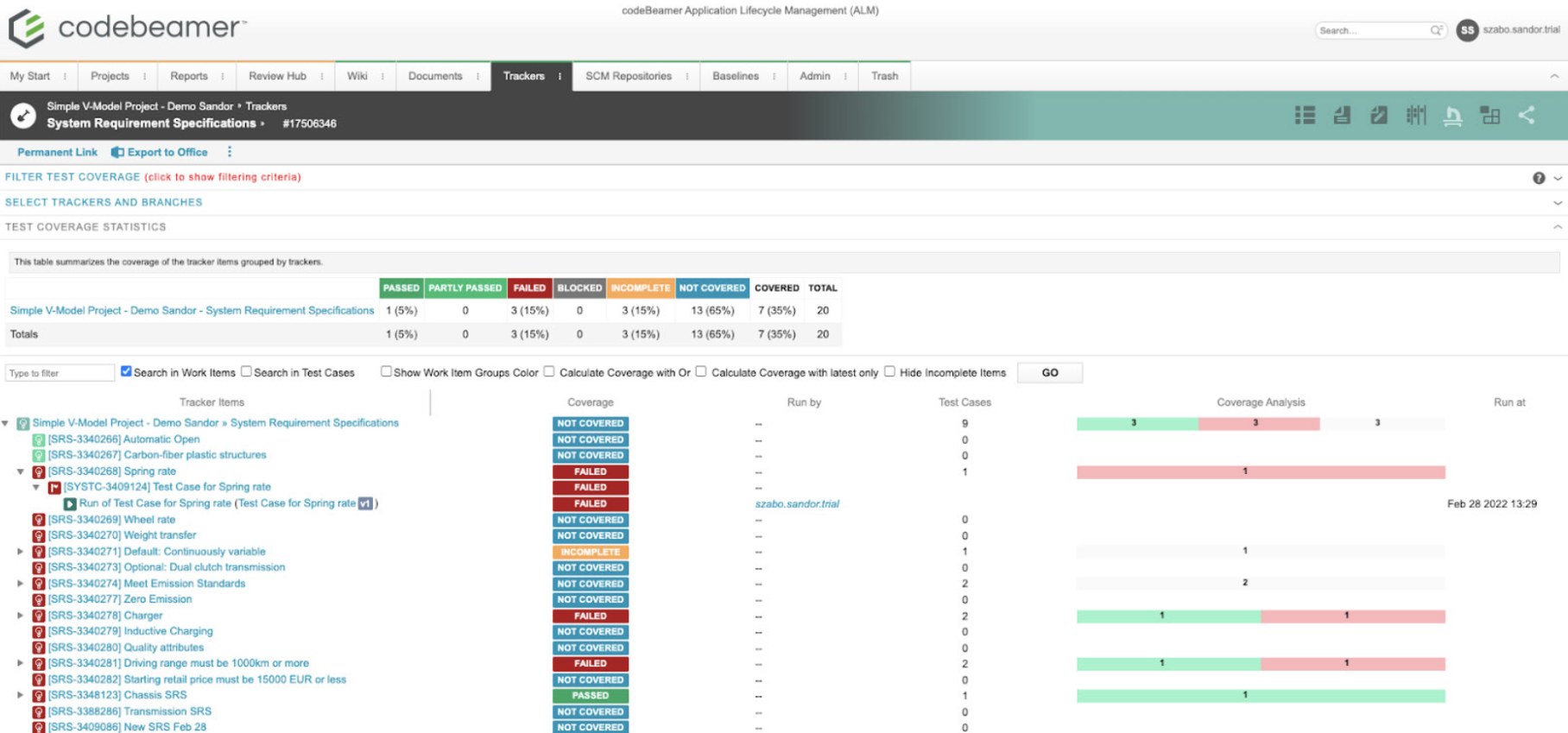
- Coverage reports: “Which requirements lack tests?”
- Test runs tied to builds and environments for reproducible results
Questions to ask vendors
- How do you aggregate automated test results and link them to stories?
- Can we gate releases on coverage thresholds or failing suites?
7) Documentation Management
Documentation is the connective tissue. You need change tracking, approval workflows (e-signatures for regulated teams), and a built-in wiki so context is always one click away.
What good looks like
- Controlled documents with review/approval states and audit logs
- Lightweight wiki for living docs—runbooks, how-tos, decision logs
- “What changed?” summaries auto-generated on updates
Questions to ask vendors
- Can we mix controlled docs and wiki in the same platform with different rules?
Do approvals meet our regulatory needs (FDA, ISO, IEC)?
Getting Started with a Leading ALM
Any single feature helps, but the compounding value comes from traceability across the whole chain. When a requirement changes, you immediately see impacted stories, tests, code, and the release train. When a defect arrives from production, you can walk it back to the exact change and the reason it was made. That traceability reduces rework, accelerates audits, and turns every decision into reusable knowledge. Our team has reviewed Jama, Codebeamer, and Polarian, among others, and these are our main pieces of advice:
- Baseline your process: Map your current flow from idea → release → feedback.
- Pilot two teams: Turn on requirements, dev, test, and docs; define minimal workflows and naming conventions.
- Wire in CI/CD & service desk: Close the loop so incidents and telemetry show up where work lives.
- Measure what matters: Track lead time, change failure rate, test coverage, and audit findings.
- Iterate templates: Create reusable requirements, test, and doc templates so every new project starts “right.”
Modern engineering thrives on clarity, speed, and proof. The seven capabilities above—requirements, collaborative project management, release management, DevOps/IT Ops, software development, QA & test, and documentation—form the backbone of an ALM that scales with your product and process maturity. Invest in them as a coherent system, and you’ll ship faster, with higher quality and fewer surprises.
If you’re evaluating platforms, use this list as your non-negotiable checklist and ask every vendor to show exactly how they deliver each capability in your context. You can start a 30-day free trial of Codebeamer here, or ask our team what solution is right for you.