
Automotive manufacturers are increasingly prioritizing software-defined vehicles. As the software in these vehicles becomes more complex, so do the cybersecurity measures teams must follow. Automotive organizations must manage cyber risk across the entire product lifecycle. This shift is being driven in large part by UNECE Regulation No. 155, which mandates that cybersecurity be embedded into every phase of vehicle development. This forces OEMs to implement a coordinated, lifecycle-driven approach to cybersecurity that integrates engineering, software development, and compliance.
Understanding UNECE R155 Regulations
UNECE R155 requires automotive manufacturers to implement a Cyber Security Management System (CSMS). This system must proactively identify, assess, and mitigate cybersecurity risks across the full vehicle lifecycle.
Key requirements include:
- Lifecycle Security: Engineering and manufacturing teams must address cybersecurity during development, production, and post-production
- Risk-Based Approach: Organizations must identify and mitigate over 70 defined threat scenarios
- Supply Chain Accountability: OEMs are responsible for ensuring suppliers meet cybersecurity standards
- Continuous Monitoring: Threat detection and response must extend beyond vehicle launch
Essentially, it ensures compliance is not a one-time effort but rather continuous risk management that engineers embed into their workflows.

SPK’s Approach to Risk Management
At SPK and Associates, we treat risk management for all regulated industries as a continuous, data-driven process. Our approach begins with risk identification and assessment, leveraging advanced analytics and AI to uncover patterns across the software development lifecycle. By integrating data from tools across the SDLC, organizations gain visibility into where risk exists. We then focus on risk mitigation and prioritization. Using platforms like CleverDev, we link code, test coverage, and defect history to generate predictive risk scores.
This enables engineering leaders to:
- Identify high-risk code areas early
- Allocate testing resources more effectively
- Make informed release decisions based on real risk, not assumptions
Just as UNECE R155 states, we know risk management requires continuous monitoring and improvement. Our managed services ensure that risk management evolves alongside the product. From supply chain risks to AI-driven development challenges, we help organizations adapt to emerging threats while maintaining compliance.
SPK’s Approach to Cybersecurity
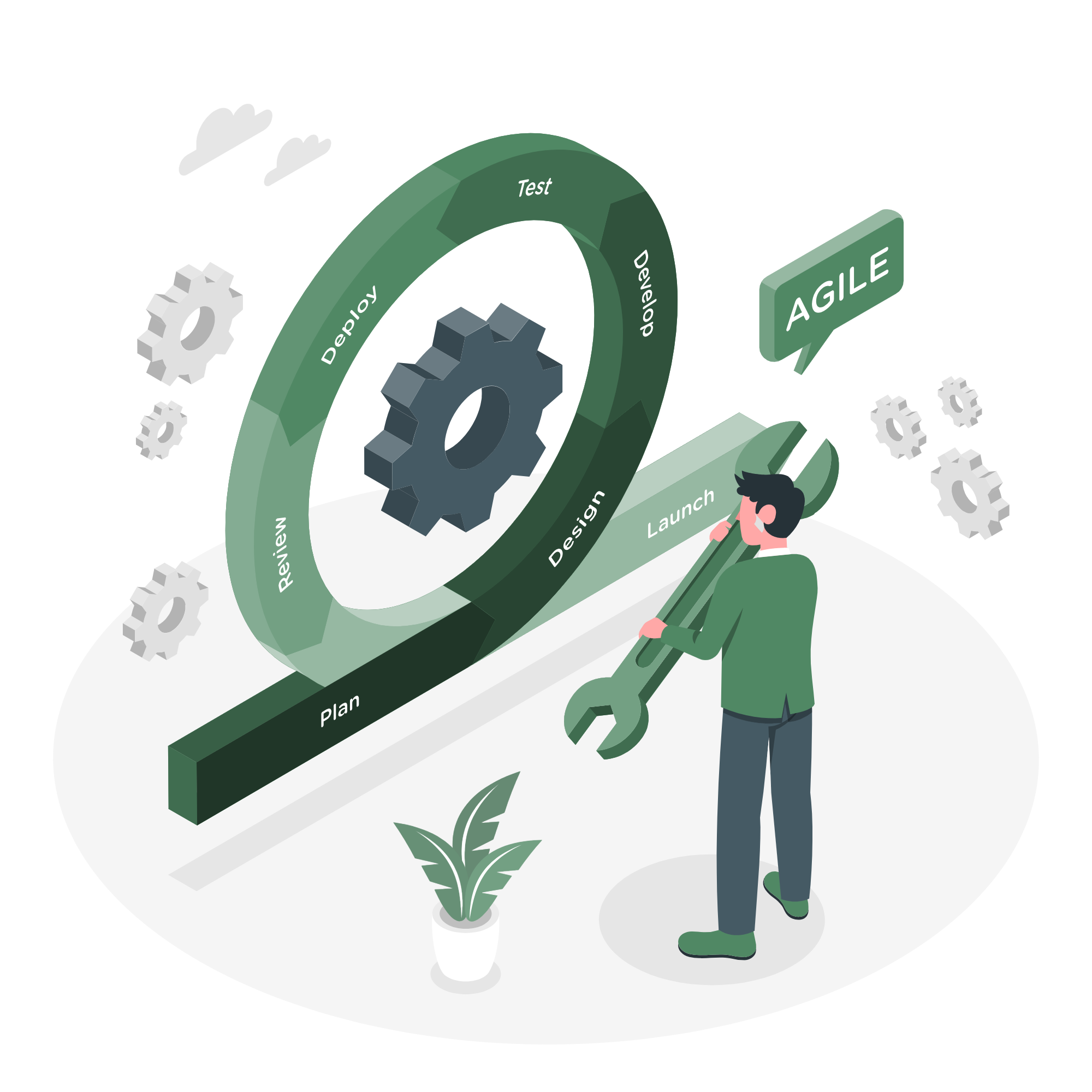
Similarly to managing risk, our team approaches cybersecurity as an integral part of product development, not a separate function. We build security into our processes, just like quality. We embed security directly into CI/CD pipelines, ensuring that vulnerabilities are identified and addressed early in the lifecycle. This includes automated security testing and code analysis, secure configuration management, and continuous compliance validation.
We act as an extension of your team, offering:
- Virtual CISO services to define and guide cybersecurity strategy
- 24×7 security operations monitoring to detect and respond to threats in real time
- Expert advisory services to align security practices with regulatory requirements
This approach allows organizations to move quickly without increasing risk, balancing speed to market with a strong security posture.

Managing Cybersecurity Risk in Automotive Engineering
When our risk management and cybersecurity processes are combined, they work well for regulated industries like automotive. Our 20+ years of experience help us to support automotive teams navigate increasing regulatory pressures while accelerating innovation.
Our approach combines:
- Software Lifecycle Management (SLM) to optimize development from planning through maintenance
- Cloud and DevOps transformation to enable scalable, secure engineering environments
- Data and system integration to create a unified view of product and cybersecurity data
- Supply chain risk management to ensure compliance across partners and vendors
We understand that automotive cybersecurity is not just about protecting systems, but enabling innovation without delays. By aligning engineering workflows with regulatory requirements like UNECE R155, we help organizations reduce time to market while maintaining compliance.

Ready to Navigate UNECE R155?
UNECE R155 has fundamentally changed how automotive organizations must think about cybersecurity. They must view it as a continuous discipline that spans the entire software lifecycle. To meet these demands, companies need a structured, integrated approach to risk management, cybersecurity, and engineering collaboration. SPK and Associates provides that foundation. By combining deep expertise in DevSecOps, automotive engineering, and regulatory compliance, we help organizations build secure, compliant products without sacrificing speed or innovation. If your organization is navigating UNECE R155 requirements, now is the time to move from reactive security to proactive lifecycle risk management. Reach out to our experts to start proactively managing risk.