

Implementing successful DevOps workflows for your software developers should lead to faster delivery. However, many organizations find themselves asking a critical question: why does it still feel slow? The answer is often hidden in how time is actually spent across the DevOps lifecycle. While dashboards may show velocity and deployment frequency, they rarely expose idle time, non-value-added work, or inefficiencies buried in day-to-day processes. Organizations must look beyond tools and metrics to optimize their performance. They need a clear understanding of where time is going and where to implement automation.
The Biggest DevOps Time Wasters
Most DevOps environments evolve organically over time. New tools are added, processes are layered on, and teams adapt as they go. While adapting is important, it can lead to confusion and inefficiencies.
Some of the most common time wasters include:
Context Switching and Tool Sprawl
Engineers constantly move between systems for planning, coding, testing, and monitoring. Each switch introduces delays and cognitive overhead.
Manual Processes and Duplicate Work
Repetitive tasks such as manual testing, deployments, and status updates consume valuable engineering time that could be automated.
Waiting and Idle Time
Slow builds, delayed approvals, and unclear ownership create bottlenecks that leave teams waiting instead of delivering.
Difficulty Finding Information
When knowledge is scattered across tools and teams, engineers spend excessive time searching instead of building.
Lack of Clear Direction
Without aligned planning and visibility, teams may work on the wrong tasks or duplicate efforts.
Technical Debt
Legacy systems and outdated processes slow down innovation and increase rework.
These inefficiencies add up quickly, often consuming a significant portion of the DevOps lifecycle without contributing real business value.
Eliminating Wasted Time: Start with a DevOps Evaluation
At SPK and Associates, we believe optimization starts with visibility. Before implementing new tools or automation, organizations must understand their current state across the entire DevOps lifecycle.
Our approach begins with a comprehensive evaluation that maps:
- Tools and technologies in use
- Teams and responsibilities
- Processes and handoffs
- Time spent on productive, non-productive, and idle work
We analyze the full lifecycle from idea to production:
Plan → Code → Build → Test → Release → Deploy → Operate → Monitor
For each stage, we identify:
- Where delays occur
- Where work is duplicated
- Where manual steps introduce risk
- Where automation can improve flow
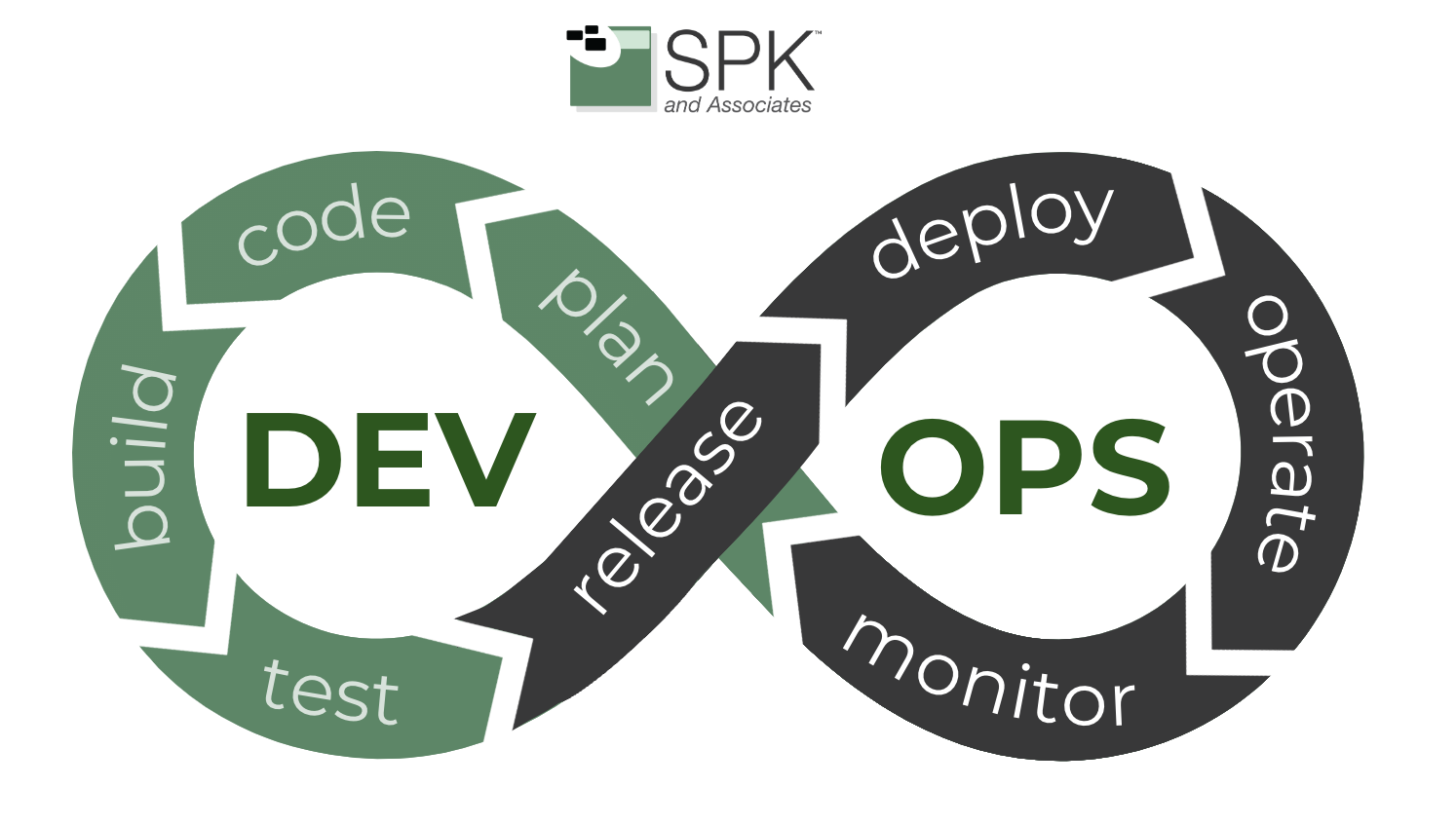
This lifecycle-driven assessment ensures that improvements are not made in isolation. Instead, they create a seamless, end-to-end DevOps pipeline that maximizes value delivery.
SPK’s DevOps and CI/CD Services
Once we identify inefficiencies, SPK helps organizations transform their DevOps environments into high-performing, scalable systems.


Plan
We help organizations implement and optimize planning tools such as Jira and GitLab, ensuring clear prioritization, aligned backlogs, and faster decision-making. This reduces wasted effort and ensures teams focus on high-value work.
Code
Our team always supports development with enterprise-grade practices, scalable engineering resources, and optimized environments. By reducing friction and improving collaboration, we accelerate development cycles.
Build
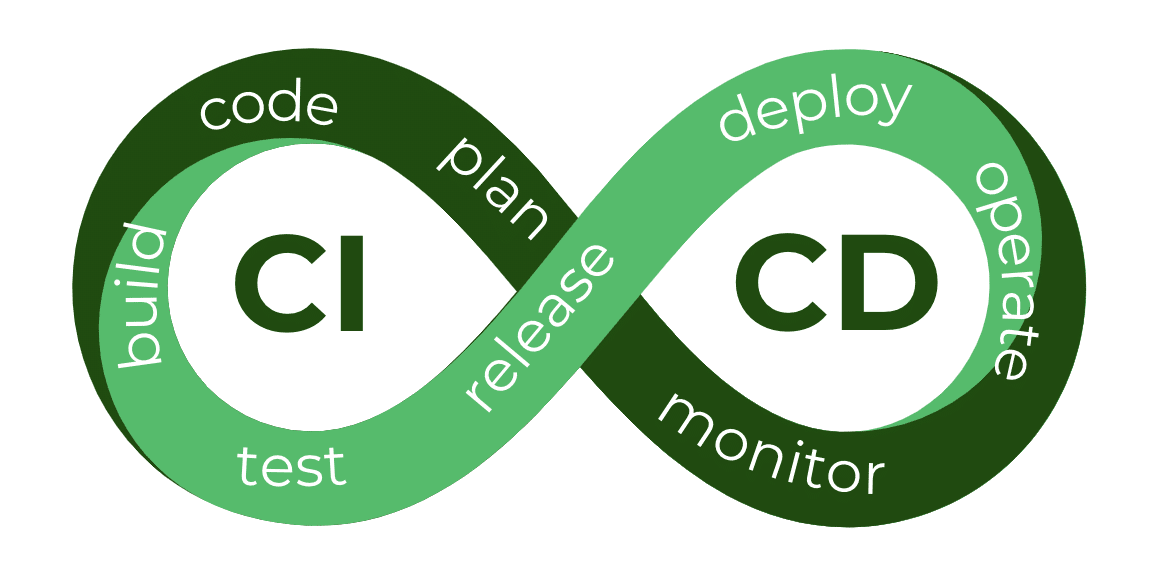
Once we complete the planning and coding, we design and implement automated CI pipelines. We build these to eliminate manual build processes, reduce errors, and ensure consistent, repeatable outcomes.
Test
Through test automation and advanced testing strategies, we help teams improve quality while reducing the time spent on repetitive validation tasks.

Release and Deploy
Once the tests are successful, we implement automated deployment pipelines and modern release strategies, such as blue-green and canary deployments. This minimizes downtime and accelerates delivery.
Operate and Monitor
Our managed services ensure systems remain stable, secure, and high-performing post-release. With proactive monitoring and real-time alerts, we reduce downtime and resolve issues before they impact users.
CI/CD Assessment: The Foundation for Continuous Improvement
Continuous delivery is often a goal for developers, as it eliminates the issue of “slow pipelines.” Once teams implement their CI/CD pipelines, they often think that because they function, they are optimized. However, most pipelines contain hidden inefficiencies.
Our structured approach includes:
- Discovery and Planning – Define goals, assess current tools, and build a roadmap
- Pilot Program – Test improvements in a controlled environment
- Implementation – Build scalable, automated pipelines
- Training and Managed Services – Ensure long-term success and continuous optimization
This process enables organizations to shift from reactive DevOps practices to a proactive, value-driven model.
SPK’s CI/CD Readiness Assessment provides a clear, data-driven view of:
- Where time is being spent
- Where bottlenecks exist
- Where automation gaps are limiting performance
- Where quick wins can drive immediate ROI

Saving Time Across Your DevOps Pipeline
If your DevOps processes feel slower than they should be, the issue is rarely a lack of tools. It is a lack of visibility into how developers are spending their time. Idle time, non-value-added work, and automation gaps are often hidden in plain sight. Without a structured approach to uncover them, organizations continue to operate below their potential. By evaluating your DevOps lifecycle end-to-end and focusing on automation, integration, and workflow optimization, you can transform how value flows from idea to production. At SPK and Associates, we help organizations optimize their DevOps workflows to reduce context switching across legacy tools. If you are ready to turn insights into measurable improvements in speed, quality, and efficiency, reach out to us today.