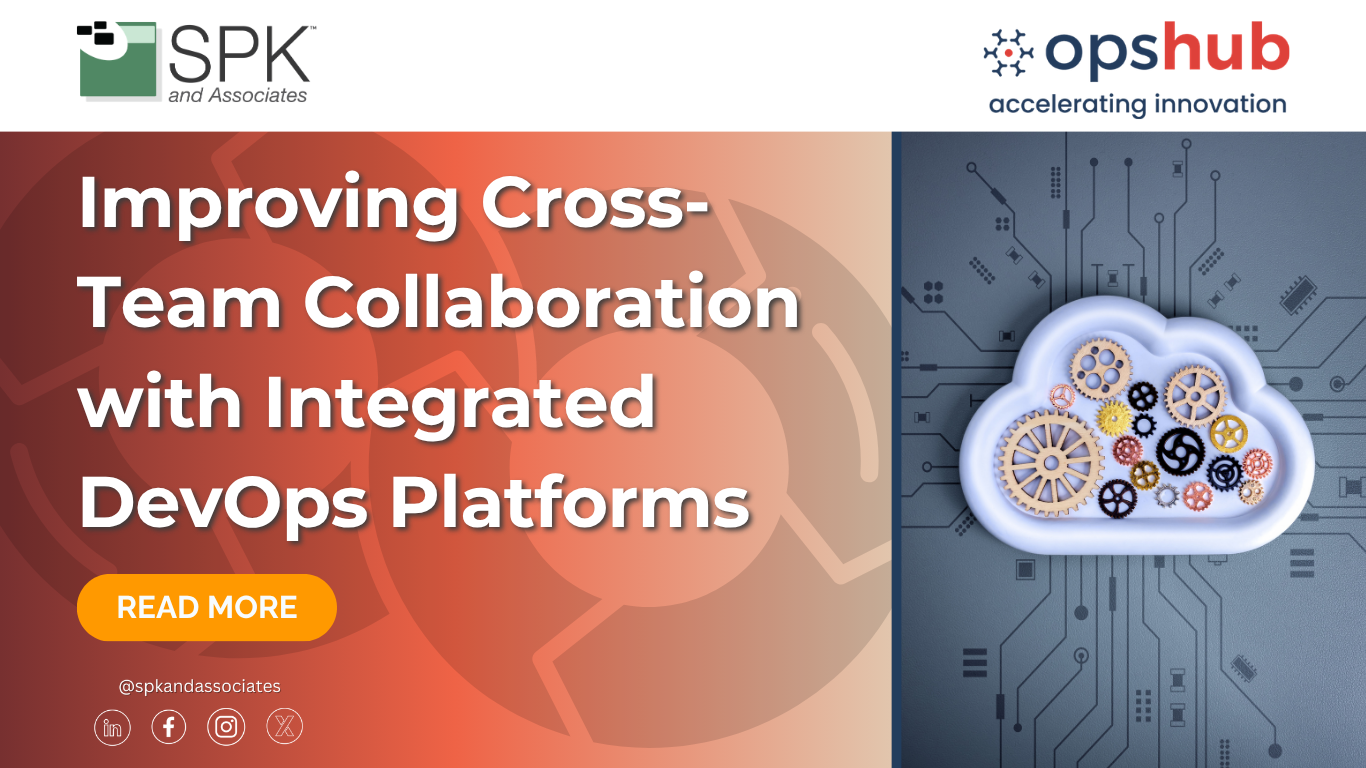

In the world of complex product development, silos are more than just an organizational nuisance. They are a direct threat to product quality and speed-to-market. For engineering leaders, the reality is often a fragmented landscape. One team lives in Jira for software development, another manages IT service requests in ServiceNow, and a third tracks hardware requirements in a legacy PLM system. So the question is, how are teams collaborating to get the most value out of those systems?
The High Cost of Engineering Silos in Regulated Environments
When these tools don’t talk, requirements drift becomes inevitable. A change in a software requirement might not be reflected in the testing protocol, or a critical bug reported in ServiceNow might never make it to the developer’s Jira backlog. This lack of visibility leads to rework, missed deadlines, and significant compliance risks. In a regulated environment, a single disconnected data point can derail an entire audit.

Beyond Basic Sync: The Power of Intelligent Federation
Many organizations attempt to solve this with basic, point-to-point synchronization. However, simple data mirroring often lacks the depth required for complex engineering. This is where Intelligent Federation via the OpsHub Integration Manager (OIM) changes the game. Unlike basic sync tools, OpsHub provides a sophisticated integration layer that creates a single source of truth without forcing teams to abandon their preferred tools. It supports bidirectional synchronization with built-in conflict resolution, ensuring that data remains consistent across platforms like Azure DevOps (ADO), Jira, and ServiceNow. For engineering leaders, this means real-time visibility into the entire development lifecycle. You can track a requirement from its inception in Windchill or another PLM tool through to its implementation in code and its eventual support status in an ITSM platform. Plus, all of this is done while maintaining a complete, automated audit trail.
Seamless Tool Migration Without Business Disruption
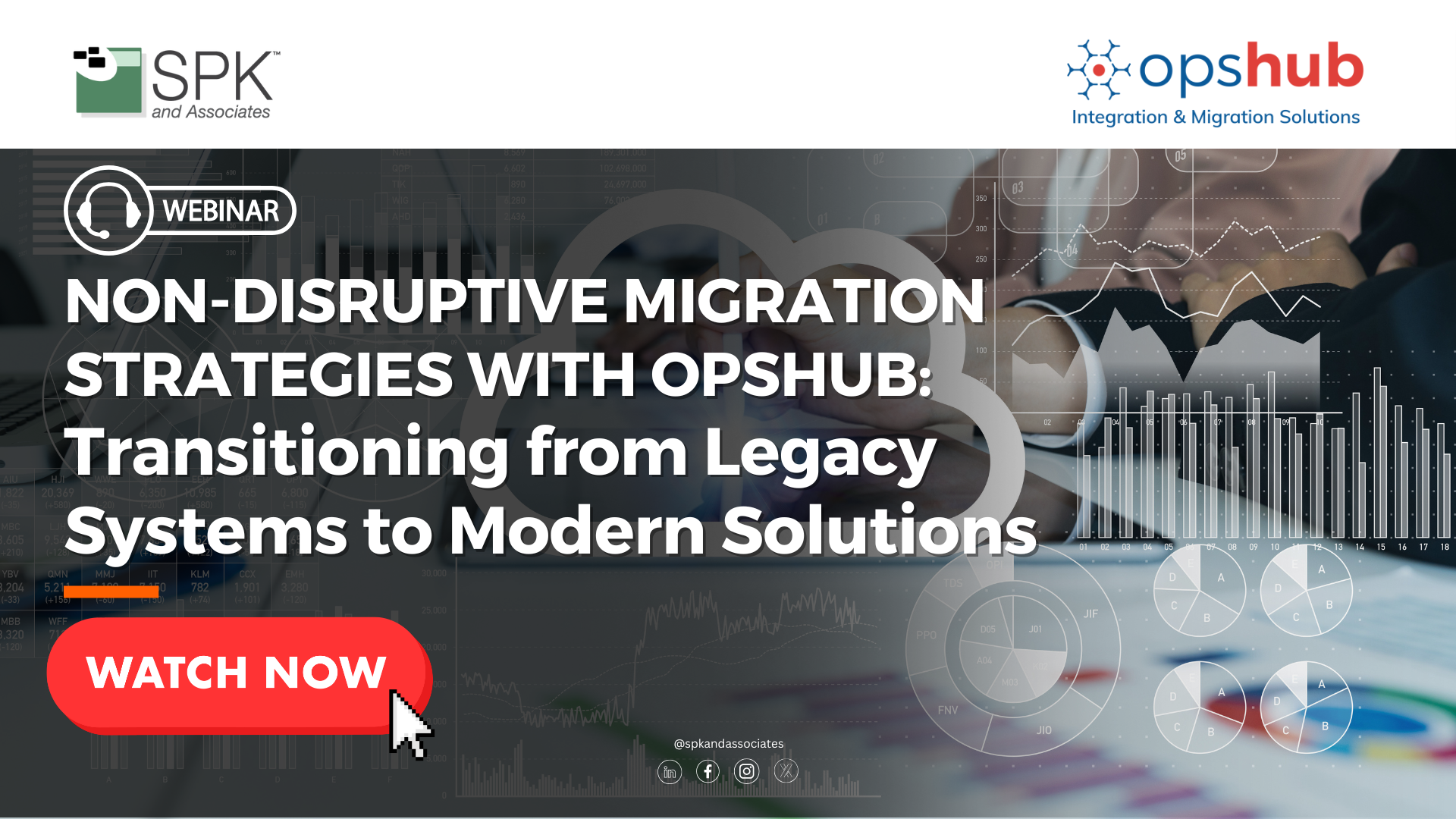
Modernizing your development stack often requires moving from legacy systems to modern cloud platforms. Whether you are migrating from Jira Server to Jira Cloud or moving from TFS to Azure DevOps, the fear of data loss and downtime often stalls progress. The OpsHub Migration Manager (OMM) is designed to eliminate these risks. It allows for zero downtime migrations by keeping the source and target systems in sync during the transition. This means your teams can stay productive in the old system while data flows into the new one. OMM preserves the full history, including comments, attachments, and complex relationships between work items. This level of data fidelity is critical for maintaining compliance during a platform shift, ensuring that your historical records remain intact and searchable for future audits.
Maintaining Compliance and Traceability Across the Ecosystem
In mechatronics and complex manufacturing, traceability is the backbone of safety and compliance. An integrated DevOps platform ensures that every change is documented and linked across the ecosystem. By using OpsHub to connect your toolchain, you automate the creation of a digital thread. If a developer updates a story in Jira, that update can automatically reflect in the associated ServiceNow incident or the ADO pipeline status. This cross-system traceability means that when an auditor asks for proof of a specific requirement’s validation, you aren’t hunting through spreadsheets. The data is already there, linked and verified across your integrated platforms. This operational confidence allows engineering organizations to focus on innovation rather than administrative overhead.
Building Resilient Integrated DevOps Platforms
The goal of any engineering organization is to deliver high-quality products faster and with less risk. Achieving this requires more than just the right tools; it requires those tools to work together effectively. By leveraging integrated DevOps platforms and intelligent federation, you can bridge the gap between teams, eliminate silos, and ensure a seamless flow of information.
At SPK and Associates, we help engineering organizations modernize and optimize the systems that drive product development. If you are looking to improve cross-team collaboration or are planning a complex tool migration, we can help you navigate the process with confidence.
Ready to modernize your engineering toolchain? Contact the SPK team today to learn how we can help you achieve real business results.