
Many engineering teams begin their product data management journey with tools like SolidWorks PDM. Systems like SWPDM provide critical capabilities for managing CAD files, controlling versions, and maintaining design history. For small to mid-sized teams focused primarily on engineering workflows, this tool can be an effective solution. However, as companies grow, their product development processes become far more complex. Engineering teams must collaborate with manufacturing, quality, procurement, and service organizations. Additionally, they must manage product configurations, global supply chains, and increasing regulatory requirements.
At this stage, many manufacturers realize that file-based PDM is no longer enough. Instead, they need a broader platform that connects product data, processes, and teams across the entire organization. This is why many growing manufacturers are transitioning from SolidWorks PDM to a full Product Lifecycle Management platform such as PTC Windchill.

When PDM Makes Sense: What is SolidWorks PDM Good For?
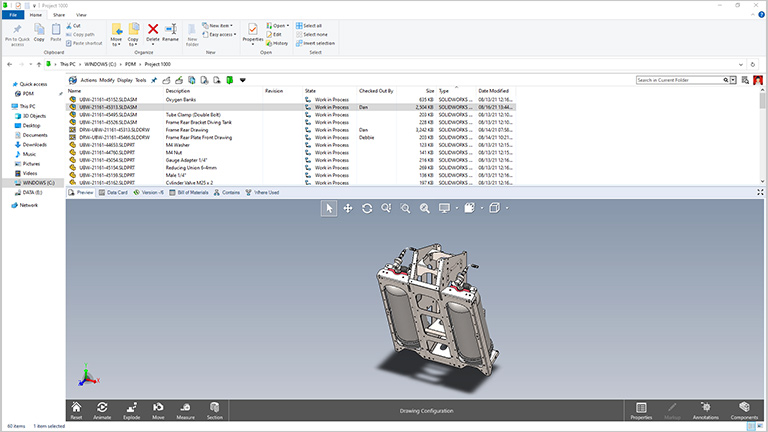
SolidWorks PDM plays an important role in engineering environments by providing structured management of CAD data and design files. Without a PDM system, teams often struggle with duplicate files, inconsistent naming conventions, and uncertainty about which design version is the most current.
SolidWorks PDM provides:
- Reliable version control
Each time a file is checked into the system, a new version is created rather than overwriting the previous file. This ensures a complete history of design changes and prevents the loss of important revisions. - Controlled file access and duplication prevention
PDM systems ensure that multiple versions of the same file are not scattered across folders or shared drives. Engineers always know where the latest version lives.
- Associative file relationships
Design files remain connected to related components and assemblies, even if files are renamed or moved. This protects critical design relationships. - Lifecycle state management
Engineering teams can manage the lifecycle of designs through states such as Work in Progress, Released, or Obsolete, helping maintain control over product documentation.
For organizations focused primarily on managing CAD files within engineering teams, SolidWorks PDM is often sufficient. It is typically easier to deploy, requires less training, and provides an affordable solution for smaller teams. However, once product development expands beyond engineering, PDM begins to show its limitations.
Why Growing Organizations Move to Windchill PLM
As companies scale their operations, product development becomes a cross-functional effort involving engineering, manufacturing, quality, procurement, and service teams. At this point, organizations require more than file management. They need full product lifecycle management.
Managing the Complete Product, Not Just CAD Files
SolidWorks PDM is highly effective at controlling CAD files, revisions, and design documentation. However, modern products require managing far more than drawings. As products become increasingly complex, manufacturers must manage the entire product definition. This includes parts, assemblies, product configurations, documentation, requirements, and change processes.
PTC Windchill provides a centralized system for managing all product-related information across the lifecycle. This includes Bills of Materials (BOMs), product configurations and variants, engineering documents, requirements, and compliance data. By consolidating this information into a single platform, Windchill provides a complete and accurate representation of the product from concept through manufacturing and service. This shift from file management to product lifecycle management allows organizations to ensure that everyone across the company is working from the same source of truth.
Managing Change and Product Complexity at Scale
As organizations grow, product changes no longer impact only engineering teams. Changes can affect manufacturing processes, suppliers, documentation, regulatory records, and customer deliverables. PDM workflows typically focus on engineering change management, but enterprise-scale product development requires more advanced control.
Windchill provides enterprise-grade change management that allows organizations to coordinate engineering, manufacturing, and quality changes through unified workflows. Teams can perform structured impact analysis across BOMs and configurations, maintain full traceability with audit trails, and ensure that approvals involve all relevant stakeholders.
Windchill also supports complex product structures, including Engineering BOMs (EBOM), Manufacturing BOMs (MBOM), and Service BOMs (SBOM). As manufacturers introduce product variants, modular platforms, and configurable offerings, managing these structures becomes critical. Without PLM, organizations often rely on spreadsheets or manual reconciliation between systems, which increases the risk of errors, delays, and costly rework.

Enabling Enterprise Collaboration, Compliance, and the Digital Thread
Unlike PDM systems that primarily support engineering users, Windchill is designed for collaboration across the entire organization. Engineering, manufacturing, quality, procurement, and service teams can all access the same product information while maintaining role-based permissions and governance controls. The platform also enables secure collaboration with suppliers and global teams. Additionally, Windchill is especially valuable for companies operating in regulated industries such as medical devices, automotive, and aerospace.
Furthermore, Windchill enables end-to-end traceability across the product lifecycle, supports audit readiness, and integrates with quality management and Application Lifecycle Management systems. It supports a digital thread strategy that connects data across engineering, manufacturing, and service operations. Organizations can link requirements, design data, manufacturing information, and field service feedback in a unified environment. For companies working with multiple CAD systems, including SolidWorks and Creo, Windchill’s Workgroup Manager provides native multi-CAD connectivity, allowing SolidWorks models to integrate directly with the PLM system.
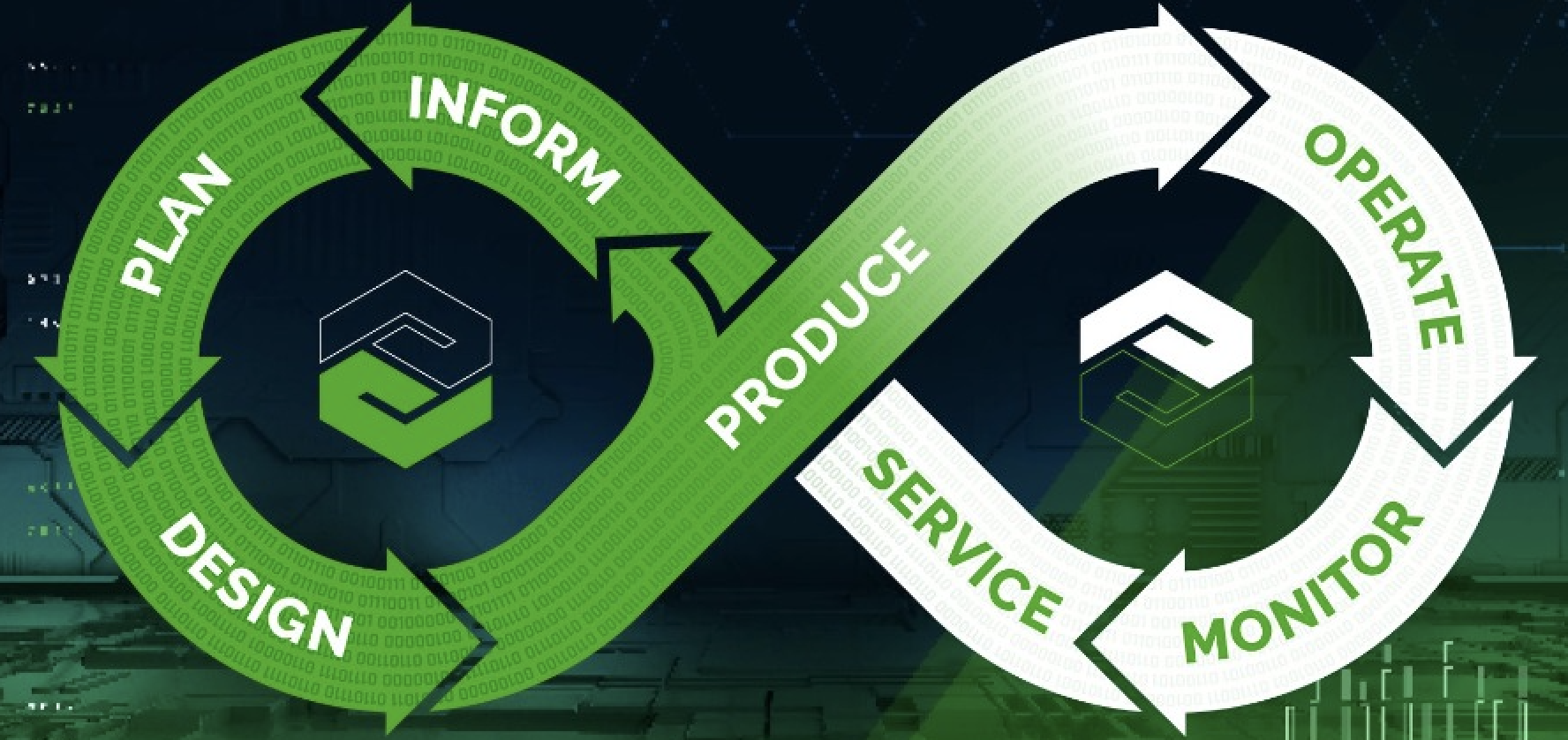
By enabling collaboration, traceability, and connected product data, Windchill provides the foundation manufacturers need to manage increasingly complex products and development environments.
The Process of Moving to Windchill with a PTC Partner Like SPK
Transitioning from SolidWorks PDM to Windchill PLM requires careful planning and expertise to ensure that product data, workflows, and integrations are migrated successfully. This is where working with an experienced PTC partner like SPK and Associates becomes critical.
SPK helps manufacturers through every stage of the transition process. We first evaluate your existing PDM environment and define a roadmap for transitioning to Windchill without disrupting ongoing engineering work. Next is migrating CAD files, revision histories, BOM structures, and metadata, which requires specialized expertise. SPK’s experts use proven migration tools and processes to ensure that historical product data is preserved and structured correctly within Windchill.
It’s also important to note that moving to PLM is not just a technology change, but an opportunity to improve development processes. We help organizations design change management workflows, lifecycle states, and collaboration models that align with their business goals. Lastly, don’t ever forget that successful PLM implementations require strong user adoption. Our experts provide training, documentation, and support to ensure that engineering and business teams can quickly begin leveraging Windchill’s capabilities.

Benefits of Moving from SolidWorks PDM to Windchill PLM
Organizations that transition from PDM to PLM often experience significant operational improvements.
Key benefits include:
- Centralized product data access
- Improved change management
- Greater visibility across teams
- Better configuration and variant management
- Improved regulatory compliance and traceability
- Support for digital transformation initiatives
-

Ready to Implement PLM?
Organizations managing entire product lifecycles across multiple teams, systems, and global operations require a platform that goes beyond engineering file control. PTC Windchill provides a solution by enabling centralized product data management, advanced change control, configuration management, and digital thread capabilities. With the guidance of an experienced PTC partner like SPK and Associates, manufacturers can successfully transition from SolidWorks PDM to Windchill PLM, unlocking greater collaboration, improved efficiency, and stronger control over the entire product lifecycle. If you are interested in seeing what Windchill PLM can do for you, contact our experts.