

As an automotive engineer, it is hard to ignore the rise of software-defined vehicles and electrification. When combined with strict compliance expectations and growing pressure to innovate faster, traditional engineering systems just aren’t cutting it. On-premise tools that were once sufficient for isolated teams are now slowing collaboration and making it harder to scale across global programs. That is why many automotive organizations are shifting toward connected, cloud-enabled engineering ecosystems. With PTC’s integrated approach, automotive teams can build a more intelligent connected lifecycle that is ready for the future.
How AI, Automation, and SaaS Are Reshaping Automotive Engineering
AI was once used solely for features like autonomous driving or in-vehicle intelligence in the automotive space. However, engineers and manufacturers are now using it to improve how vehicles are designed, built, validated, and supported. Technologies like machine learning and computer vision help organizations turn real-time data from engineering systems, factories, and field performance into actionable insights. That means teams can reduce inefficiencies and respond more effectively to changing market and regulatory demands.
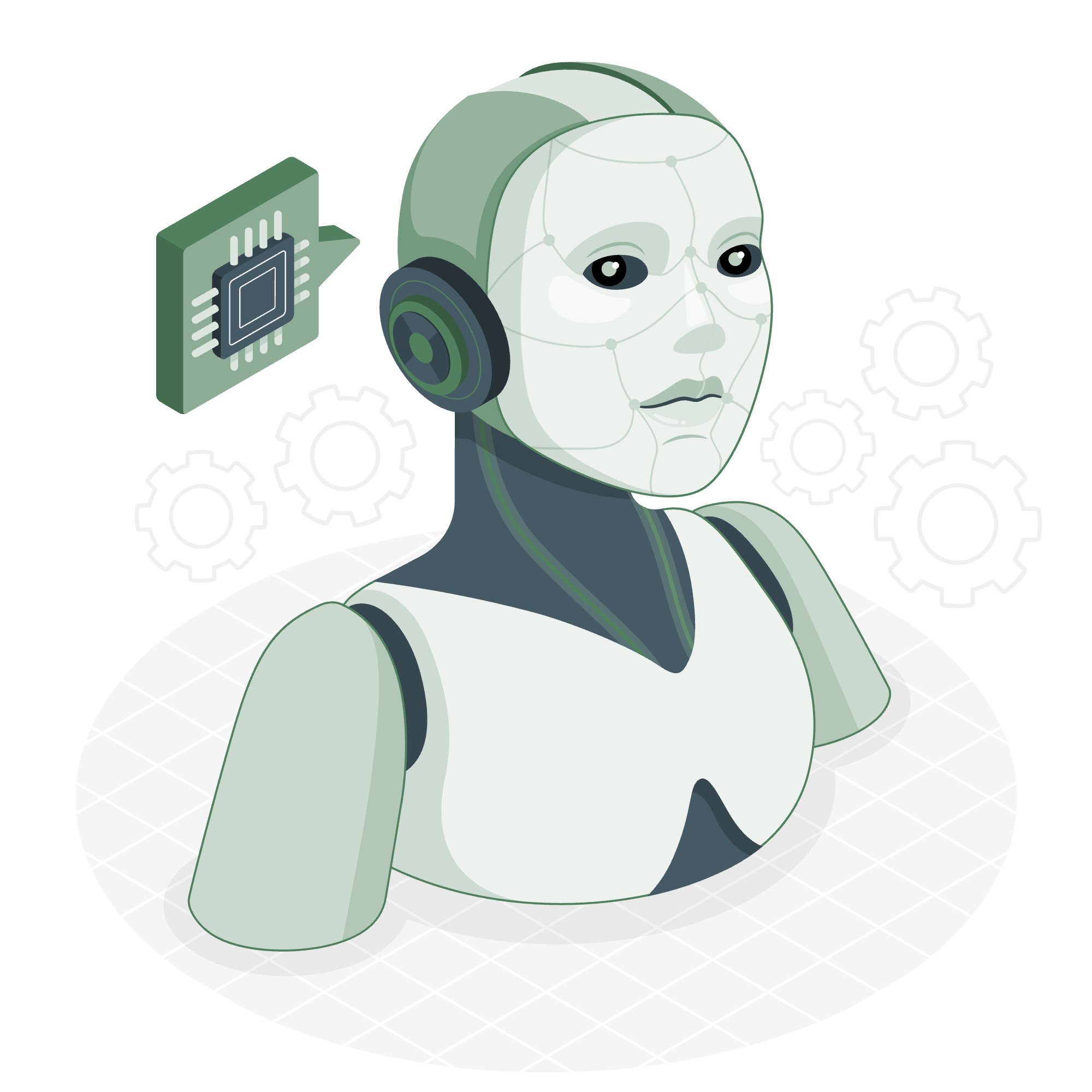
Automation is also becoming central to modern automotive operations, especially in electric and hybrid vehicle development. In battery manufacturing, automation enables highly precise execution of electrode production, cell assembly, and electrolyte filling. Robotics improve consistency and safety during battery pack assembly. Meanwhile, automated battery management systems monitor health, temperature, and charge levels to help optimize battery performance and lifespan. These same automation principles are now extending into engineering workflows to support requirements development, change management, compliance activities, and validation.
This is where SaaS becomes especially valuable. SaaS delivery accelerates access to the tools and data that engineers need to support modern automotive engineering. Instead of waiting on hardware upgrades, lengthy IT provisioning cycles, or complex environment reconfiguration, teams can scale users, features, and storage as business needs change. Cloud-based systems also allow teams across regions and disciplines to work from the same system and data at the same time. This drastically improves speed and collaboration. Additionally, leading cloud platforms bring strong security capabilities, including advanced vulnerability detection and incident response. These features help automotive organizations strengthen resilience as connected systems become more critical.

Why Cloud-Based Engineering Outpaces Traditional On-Premise Systems
Traditional on-premise engineering environments often struggle to keep pace with the demands of today’s automotive programs. They can be expensive to maintain, difficult to scale, and slow to adapt when supplier ecosystems or compliance needs evolve. In many cases, organizations struggle to connect ALM, PLM, and CAD through extra modules or third-party connectors. Due to this, teams may still operate in silos, with data fragmentation and traceability gaps hiding beneath the surface.
That fragmented model is particularly risky in automotive, where traceability must be continuous, cross-functional, and audit-ready. Software, hardware, manufacturing, quality, and supplier decisions all influence one another. When those relationships are not connected in real-time, organizations face more rework, slower change cycles, and a greater compliance risk. PTC’s approach offers a different path. Codebeamer, Windchill, and Creo are designed to work together as a native engineering backbone. Instead of stitching separate environments together after the fact, automotive suppliers gain a connected lifecycle from the start. Codebeamer manages requirements and the software lifecycle. Windchill connects product structures, BOMs, CAD data, and change processes. Creo supports mechanical design and execution. This integrated model gives teams a stronger product data foundation and a more natural path to lifecycle visibility, coordinated change management, and end-to-end traceability.



The results are significant. Organizations using this connected ALM and PLM approach have seen measurable improvements, including a 20% reduction in vehicle development timelines, a 3% reduction in vehicle lifecycle costs, and a 10% reduction in total cost of quality. These outcomes show why automotive companies are increasingly moving away from disconnected, infrastructure-heavy environments. AI-augmented SaaS ecosystems support faster, better engineering decisions.
The Connected Lifecycle Depends on a Strong Product Data Foundation
At the heart of this transformation is the product data foundation. PTC’s vision for the Intelligent Product Lifecycle begins with centralizing product data so it becomes the source of truth across the full development lifecycle. That means consolidating knowledge and data from engineering, manufacturing, quality, and service. All while maintaining openness and interoperability with the rest of the enterprise ecosystem, including CRM, ERP, MRO, and QMS platforms.
Once that foundation is in place, organizations can unlock more intelligent solutions across the lifecycle. Design simulations, supplier intelligence, service analytics, inventory insights, and compliance workflows all become more effective when they are built on connected data. AI then adds another layer of value by helping automate lifecycle activities, from writing requirements and supporting engineering decisions to optimizing downstream operations. Rather than acting as isolated tools, AI assistants and agents become embedded co-pilots that help teams move faster and work more confidently across the product lifecycle. For automotive engineering teams navigating growing complexity, this combination of connected data, intelligent solutions, and built-in AI creates a powerful advantage. It removes friction from the lifecycle while improving collaboration across mechanical, electrical, and software teams.
SPK’s Cloud Hosting for Codebeamer
As more automotive organizations embrace SaaS and cloud delivery, they still need a hosting strategy that aligns with performance, security, and operational requirements. That is where SPK and Associates adds value. SPK offers cloud hosting services for PTC Codebeamer ALM on either Azure or AWS. This gives customers a reliable and secure environment without the burden of managing infrastructure themselves.
SPK’s Codebeamer Cloud Hosting services are designed to provide seamless integration, high availability, backups, and strong performance. It allows engineering teams to stay focused on lifecycle execution rather than system administration. Organizations benefit from the scalability and flexibility of major cloud providers along with SPK’s dedicated support, technical expertise, and service-level commitments. This approach helps automotive companies accelerate adoption while maintaining confidence in the reliability and security of their ALM environment.
SPK also offers multiple hosting packages to support different organizational needs. The Basic package provides a practical starting point, while the Standard package adds enhanced support, larger infrastructure, and advanced security features. For enterprises with more complex requirements, the Enterprise package delivers dedicated resources, advanced integrations, 24/7 support, monitoring, backups, and stronger security controls. That flexibility allows automotive suppliers and manufacturers to adopt cloud-hosted ALM in a way that matches both their current needs and their future growth plans.
How SPK vCAD Extends the SaaS Model to Engineering Workstations
Engineering productivity depends on how quickly teams can access the workstation environments they need to design, simulate, and collaborate. SPK vCAD brings the same SaaS mindset to engineering workstations by providing a cloud-based platform for MCAD, ECAD, FEA, and even cloud development environments.
With vCAD, teams can quickly deploy preconfigured virtual workstations optimized for applications like Creo. Instead of waiting for IT to procure and configure physical desktops or laptops, organizations can onboard engineers and drafters in minutes. That speed is especially important in automotive programs where supplier coordination, design iterations, and staffing demands can change rapidly.
vCAD also supports the security and flexibility requirements of modern engineering teams. With end-to-end SSL encryption and AI-powered endpoint security, it offers a secure way to access engineering tools from virtually anywhere. For automotive companies that want to preserve existing engineering application investments while gaining the benefits of cloud scalability and faster onboarding, vCAD provides a practical path forward.

SPK and PTC for Automotive Success
In an evolving regulatory and economic environment, automotive organizations need more than isolated tools. They need a connected engineering ecosystem that can adapt quickly, support cross-functional collaboration, and provide traceability. PTC’s integrated lifecycle approach provides the digital backbone for that vision, and SPK makes it operational through cloud hosting, implementation expertise, and modern engineering platforms. Together, SPK and PTC help automotive companies move toward a more intelligent and scalable lifecycle. This combination gives organizations a practical and proven foundation for transformation.
The Future of Automotive Engineering
The future of automotive engineering will be shaped by organizations that can connect data, teams, and decisions across the full lifecycle. AI, automation, and SaaS are becoming essential enablers of speed, scalability, resilience, and innovation. By replacing disconnected on-premise systems with a cloud-enabled, AI-augmented lifecycle, automotive manufacturers and suppliers can build stronger digital threads from requirements through design, manufacturing, and service. With PTC’s connected solutions and SPK’s cloud hosting and vCAD implementations, engineering organizations can create a modern foundation. If your team is ready to support both agility today and competitiveness tomorrow, reach out to our team.