
Automotive manufacturers are arguably navigating the most significant transformation to the industry since the invention of the assembly line. Modern vehicles have evolved far beyond basic transport, as they are now sophisticated software-defined systems. These systems are composed of hundreds of connected control units, complex sensor arrays, and cloud-integrated services. This shift toward “computers on wheels” has unlocked incredible features like advanced driver assistance systems (ADAS) and over-the-air (OTA) updates. However, these advancements have also introduced unprecedented cybersecurity risks and heavy regulatory responsibilities for manufacturers.
To address these challenges, the United Nations Economic Commission for Europe (UNECE) introduced two critical regulations: No. 155 (R155) and No. 156 (R156). These frameworks establish the ground rules for managing cybersecurity and software updates throughout the entire vehicle lifecycle. For engineering leaders, achieving compliance is not just a legal hurdle, but a fundamental requirement for vehicle type approval. However, many organizations struggle to meet these standards because their engineering data is trapped in disconnected silos.
A Brief Look at UNECE R155 and R156
Understanding the relationship between R155 and R156 is essential for any automotive engineering team. While they are distinct regulations, they function as two sides of the same coin.
UNECE R155
UNECE R155 focuses on the Cybersecurity Management System (CSMS). It requires manufacturers to implement a certified framework to identify, assess, and mitigate cyber risks across the entire vehicle lifecycle. This includes everything from initial design and development to production and post-production monitoring. Manufacturers must demonstrate a structured approach to threat identification and incident response to receive a CSMS certificate, which is typically valid for three years.
UNECE R156
UNECE R156 governs the Software Update Management System (SUMS). This regulation ensures that software updates are delivered safely and securely without compromising the vehicle’s type approval. As OTA updates become the industry standard for security patches and feature improvements, R156 provides the necessary guardrails. It mandates that updates are traceable, compatible with the vehicle configuration, and protected from manipulation.
These regulations must work in tandem. The CSMS identifies when a cybersecurity risk exists and determines if an update is necessary. The SUMS then ensures that the resulting update is deployed safely. If the tools used to manage these processes do not communicate, the entire compliance framework begins to crumble.
The Compliance Risk of Disconnected ALM, DevOps, and PLM
In many traditional automotive environments, hardware and software development exist in separate worlds. Product Lifecycle Management (PLM) tools handle the mechanical and hardware components, while Application Lifecycle Management (ALM) tools manage the software requirements and code. DevOps pipelines handle the continuous integration and delivery of that code. When these systems are disconnected, several critical compliance risks emerge.
The most dangerous consequence of siloed tools is the “Traceability Gap.” UNECE R155 and R156 require rigorous documentation of how a specific software version relates to a specific hardware configuration. For example, if an auditor asks to see the risk assessment for a software patch on a specific Electronic Control Unit (ECU) version, a disconnected team must manually pull data from three different systems. This manual process is slow and prone to human error. It often leads to “requirements drift,” where the software being developed no longer aligns with the hardware constraints or the original safety requirements.

Furthermore, disconnected systems create massive blind spots for cybersecurity monitoring. R155 requires continuous evaluation of risks across the fleet. If your vulnerability data resides in a DevOps tool but your vehicle configuration data is stored in a PLM system, identifying which vehicles are affected by a new threat becomes a monumental task. This lack of visibility increases the time to respond to incidents, which directly violates the core principles of a certified CSMS.
Building a Digital Thread for Compliance with UNECE R155/R156
In order to eliminate these risks, automotive organizations must move toward a unified digital thread. A digital thread is a single, continuous path of data that connects every stage of the product lifecycle. At SPK and Associates, we help engineering teams build this connectivity by integrating the industry’s leading platforms.
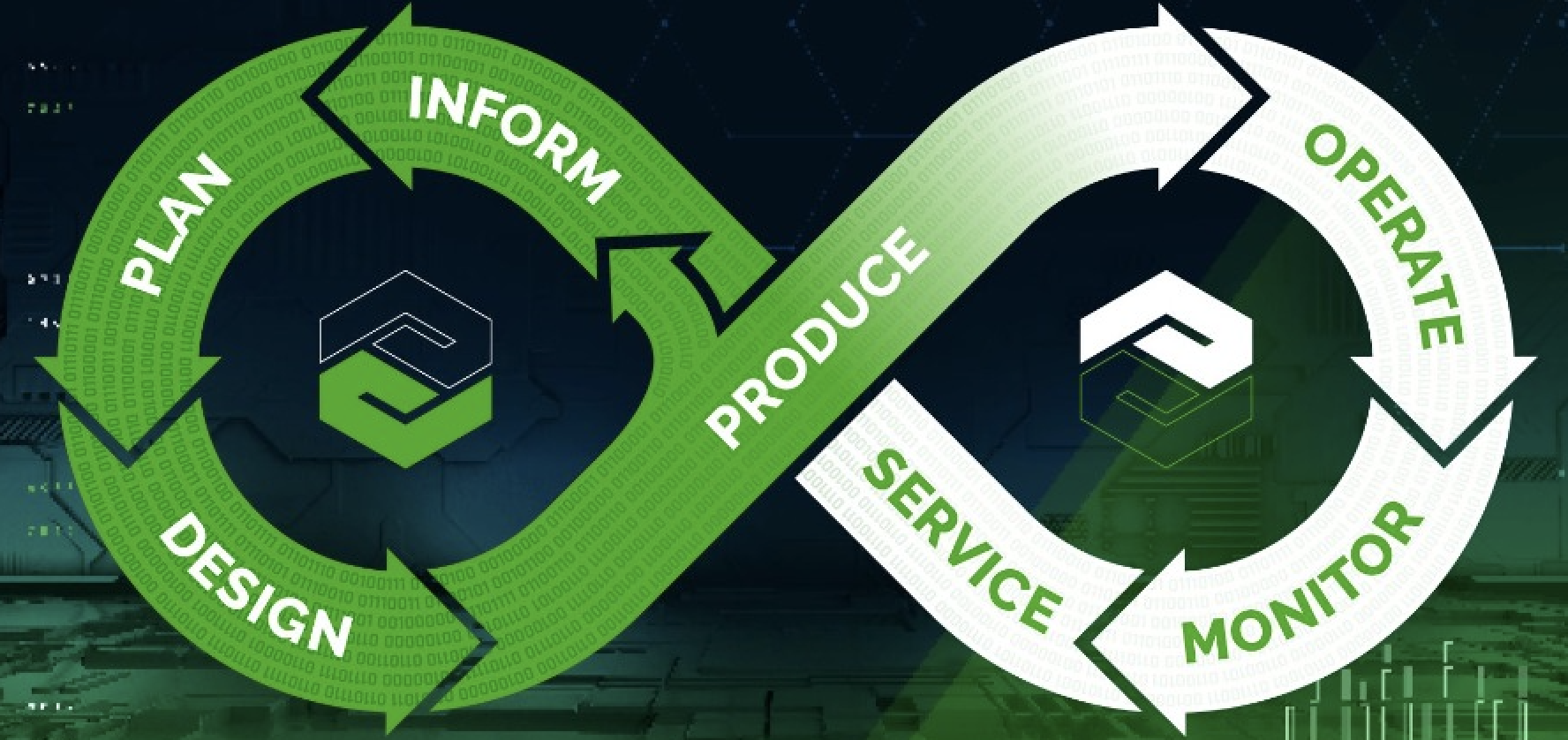
Our approach often centers on the native integration between PTC Codebeamer (ALM) and PTC Windchill (PLM). By connecting these two powerhouses, we ensure that software requirements, hardware specifications, and test cases are linked at the granular level. When a change occurs in the hardware design, the software team is notified immediately. This prevents the rework and delays that typically plague mechatronic development.
We also extend this digital thread into the DevOps pipeline. By integrating tools like GitLab or Azure DevOps into the compliance record, we automate the collection of evidence for R156. This includes tracking the Regulatory Software Identification Number (RXSWIN), which is a unique identifier required to prove that a software version complies with type approval. Integrated platforms ensure that whenever a new compliant version is released, the RXSWIN is automatically updated and documented. Integration tools such as OpsHub offer bi-directionally synced integrations for hundreds of solutions.




SPK’s experience allows us to understand the unique realities of safety-critical environments. We don’t just install software; we fit the technology to your specific business needs and regulatory context. Plus, with our managed service offerings, our experts can ensure your digital thread is secure and compliant long after the initial implementation.
Integration for Automotive Compliance
The complexity of modern automotive engineering makes manual compliance management practically impossible. Disconnected tools create significant legal and safety risks that can prevent a vehicle from ever reaching the market. By integrating ALM, PLM, and DevOps into a cohesive digital thread, manufacturers can ensure that every software update is secure, every risk is documented, and every vehicle remains compliant throughout its lifecycle. If your team is struggling with fragmented data and increasing regulatory pressure, it is time to modernize your systems. Contact our team today to learn how we can help you build a secure, integrated digital thread for UNECE R155 and R156 compliance.